Construction and Trade Workwear: Branding Hi-Vis, Fleeces and Polos
By The Velocity Wear Team
Need this made?Get pricing for this product— free, no obligation, 50 pieces minimum.
For construction and trade workwear, embroidery on fleeces, softshells and polos is the durable standard, while hi-vis garments are generally printed because heat and stitching interact differently with high-visibility fabrics. Velocity Wear produces branded workwear from a 50-piece minimum with mixed sizes, delivered on a tracked UK service, with bulk discounts up to around 35%.
Branding Without Compromising the Garment
Hi-vis deserves a specific note. High-visibility garments work because of the area and placement of their reflective and fluorescent material, and decoration that covers too much of it can affect how the garment performs. Keep branding proportionate and placed conventionally — chest and upper back — rather than treating a hi-vis vest as a blank canvas. For any garment being relied on as protective equipment, check that decoration does not conflict with the standard it is certified to.
What to Order for a Trade Team
A working kit list for most trades looks similar.
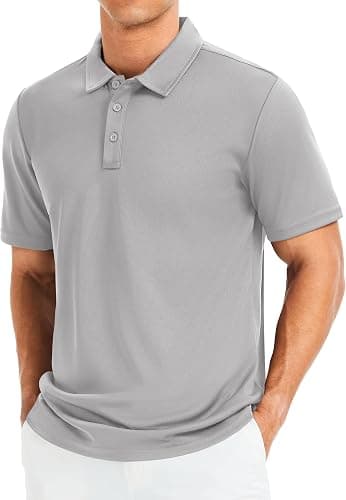
- Polos for warmer months and general site wear, embroidered left-chest with the company mark.
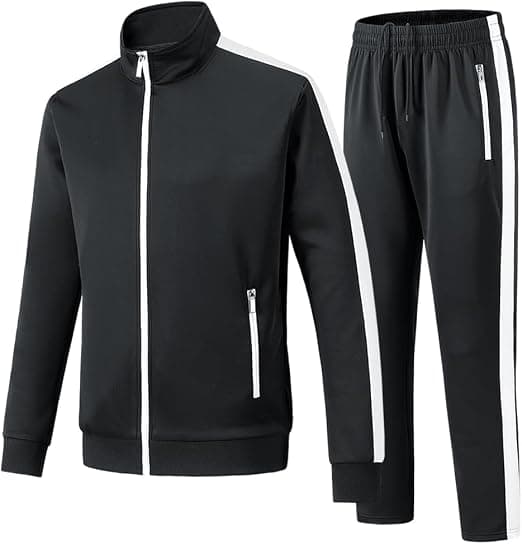
- Fleeces or hoodies as the mid layer, again embroidered — this is the piece worn most of the year in the UK.
- Softshell jackets for wind and light rain, which outperform hoodies substantially outdoors and justify their cost quickly.
- Hi-vis vests or jackets as required, printed rather than embroidered, with branding kept proportionate.
Durability Is the Whole Specification
Site clothing is abraded, soaked, dried and washed hot. Print on a garment treated that way will eventually crack; embroidery will not. Heavier fabrics last meaningfully longer than light ones, and the price gap per piece is usually smaller than expected once spread across a run. Darker colours hold their appearance far better on site than pale ones, which is why most trade workwear defaults to navy, black and grey.
“"Workwear is the only clothing where the customer sees it every day for two years. It is worth specifying like it."”
Minimums and Reordering
Orders start at 50 pieces with mixed sizes allowed. For trades, ordering ahead for expected turnover generally beats repeated small top-ups, because each separate run pays setup costs again. Bulk discounts reach up to around 35% as quantities rise. Record garment codes, colours, logo size, position and thread references from the first order so later runs match rather than approximate — mismatched kit across a site undermines the point of branding it at all.
Working Back From Your Date
Embroidered workwear typically takes around 10–15 working days from artwork approval, plus 2–5 working days tracked UK delivery. If kit is tied to a contract start or a new site, order well ahead — starts rarely move later in a way that helps.
Preparing Your Files
Supply vector artwork and confirm exact brand colours rather than describing them. For embroidery, simplify fine detail and very small text, including phone numbers, which frequently become illegible at realistic stitch sizes. Preview placement and scale on the garment in the free Design Studio, and check pricing across garment and method combinations in the instant price calculator.