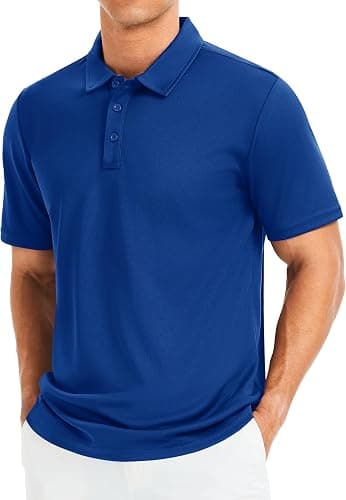
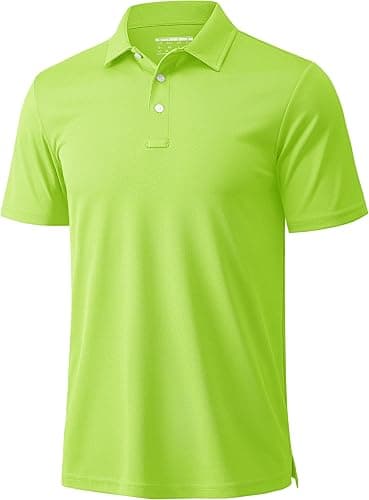
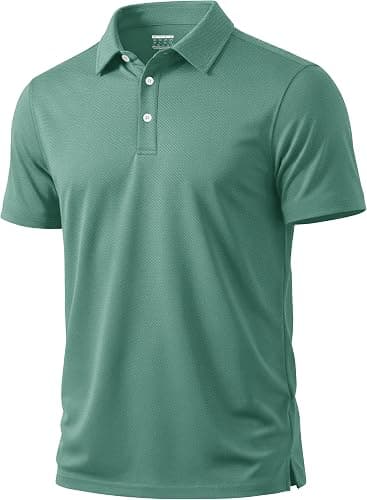
Polo Shirts for Trades: samples
By The Velocity Wear Team
A trade polo sample costs £150 and that £150 is credited against the bulk order when it goes ahead. What arrives is your garment, in your colour, with your logo applied the way the run will apply it. It exists so the decisions that are impossible on screen, such as collar stiffness, fabric weight against a vest and how the sizing falls on a real chest, get made before fifty pieces are produced.
What does the £150 actually buy?
It buys one finished polo made the way the production run will be made: the same knit, the same placket and collar build, the same stitch file or print. It is not a blank from a shelf with a sticker on it. That matters because most of the problems a sample catches are problems of combination rather than of any single part, such as a thread shade that looks right on a swatch and vanishes against the garment colour once it is stitched into it.
The fee is a production cost, not a deposit. Running a single garment through screens or a stitch setup costs roughly what running the first fifty costs, which is why samples are never free here. The credit is the part that matters: place the bulk order and the £150 comes off it, so a buyer who samples first pays no more overall than one who does not.
What should you check when it arrives?
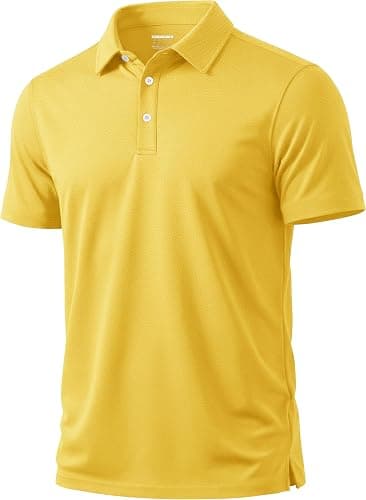
Wash it first, at the temperature your crews actually use, which on a site is usually hotter than the label suggests. Then look at the collar: a hard-backed collar should still stand after a cycle, and a soft one will already be telling you what it will look like in March. Pull the placket flat and check the buttons have stayed put. Hold the stitched badge up to the light and look at the back of it for puckering, which is the sign the backing was wrong for the knit.
Then put it on somebody. Not the office manager who ordered it, but a person who will wear it up a ladder with a vest over the top. Arms up, reaching across a bench, sitting in a van. A performance knit that feels light in the hand can be clammy under a vest, and a heavier piqué that feels substantial can be too warm for a summer fit-out. Fabric choices on the wholesale polo shirts page cover both directions.
How much does sampling add to the timeline?
Treat the sample as a stage that sits in front of the 10 to 15 working day production window, because the clock on the bulk run starts at artwork approval and you will not approve artwork until the sample has been seen. For a fixed site start date, work backwards from the handover: transit, production, approval, sample, and the days your own team will take to pass it round. Firms who skip that arithmetic are the ones who end up asking for the kit inside two weeks. The construction and trades page lists what we need to begin.
When is sampling not worth the wait?
If you are repeating a garment you already own and the only change is the logo, a sample buys little beyond reassurance, and a reorder handles it better, as set out in polo shirts for trades: reordering. If your deadline is genuinely immovable and close, sampling can be the thing that makes you miss it. Everything else, especially a first order for a crew of fifty or more and especially a new fabric, is worth the £150 that comes back to you anyway. For what to specify before you sample, construction workwear specification is the place to start.