Fits and Cuts for Wholesale Polo Shirts
By The Velocity Wear Team
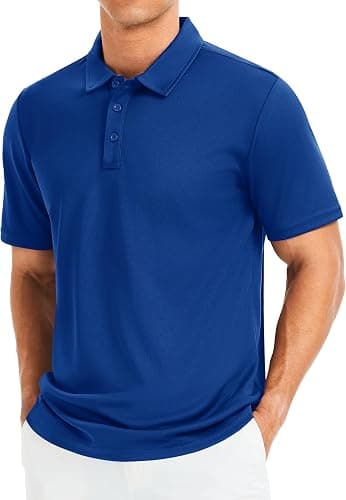
Polo shirts come in three broad blocks. Regular is a straight body with a set-in sleeve and a little room through the waist. Boxy is shorter and wider with a dropped shoulder. Oversized takes the boxy shape further again. The same letter on the label means different garments across those blocks, so size a team from measurements rather than from the letter.
How do the three blocks actually differ?
A regular block follows the body loosely: chest and waist within a few centimetres of each other, a body length that covers the belt when the wearer raises an arm, a sleeve that finishes mid-bicep. It is the default for uniform because it looks tidy on the widest range of people and because nobody notices it.
Boxy takes width from the chest and gives it back through the shoulder. The body is shorter, the sleeve sits wider and lower, and the whole garment reads as casual rather than corporate. Oversized adds more of everything: a longer drop from the shoulder point, a noticeably wider chest, and a hem that sits lower again. On a member or retail polo that reads as current. On a stand team it reads as a shirt that does not fit.
How do you size a mixed team without guessing?
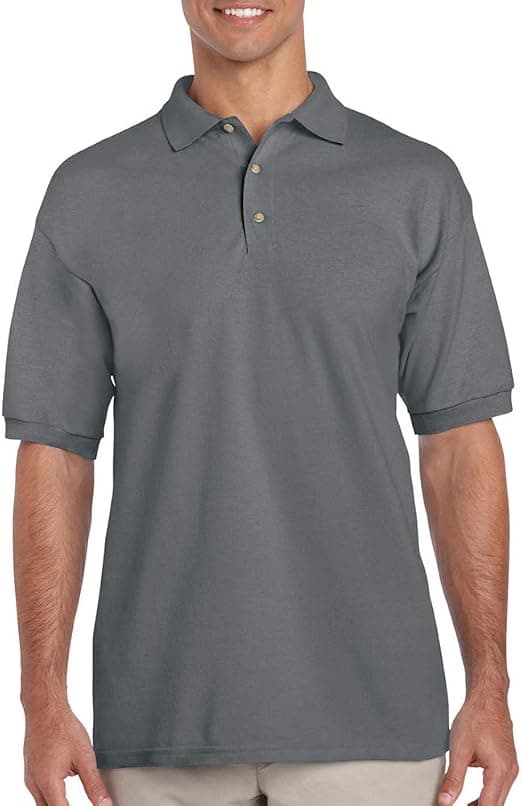
Publish measurements alongside the letters and ask people to pick against a garment they already own. Chest width laid flat and body length from the high point of the shoulder are the two numbers that settle almost every question. A team given those two figures self-selects accurately; a team given only S to 3XL guesses, and the guesses skew small.
Write the split as absolute numbers and check it sums to your order. Fifty pieces as a named count per size is a decision you can verify; percentages invite rounding and you end up a piece short in the size everyone wanted. Sizes mix freely inside the fifty-piece minimum, so there is no constraint except the one you set.
What does the placket and collar do to the fit?
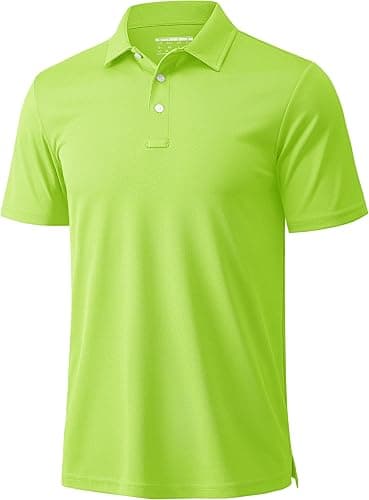
More than most buyers expect. A three-button placket sits higher on the chest and is more formal, and it draws the eye up, which flatters a longer body. A two-button placket reads relaxed and behaves better left open. The collar is the other variable: a heavy rib stands and frames the neck, a self-fabric collar lies flatter and softer, and a contrast tip reads as occasion wear on an otherwise plain garment.
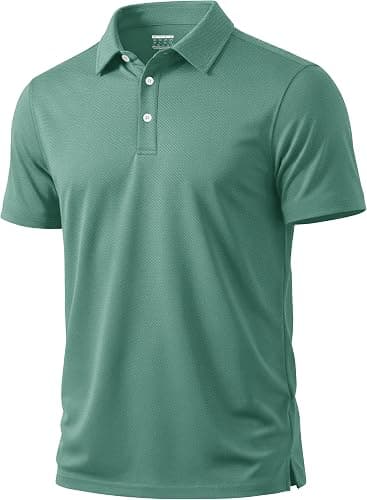
Side vents matter for anyone who bends and lifts, because a closed hem rides up and pulls across the back. Sleeve finish matters for anyone wearing the polo under a jacket, since a banded cuff bunches where a plain hem does not. These are not upgrades, they are specification choices made at order stage, and the options are set out on the wholesale polo shirts page.
How do you keep fit consistent across reorders?
Record the block, not just the size. If your first order was a regular block and your second is boxy, everyone who orders their usual letter will be disappointed, and it will read as a quality problem rather than a specification change. Keep a retained sample of the original garment and quote its specification on every reorder.
When you do deliberately change block, say so loudly and shift the whole curve, because a proportion of buyers will size down on an oversized cut. The terminology for describing blocks and measurements is on the glossary page, and the weight side of the specification is covered in GSM explained for bulk polo shirts. For a wider view of collar and fabric decisions, a buyer's guide to collars and fabric is worth reading before you commit a first run.