Embroidery vs Puff Embroidery on Polo Shirts
By The Velocity Wear Team
Flat embroidery is the default on a polo shirt: satin stitch laid level with the knit, clean at chest size, unbothered by a commercial wash. Puff embroidery runs the same stitches over a foam strip so the letterform stands proud of the cloth, which suits a bold monogram and ruins fine type. Both start from $18 a piece at our fifty-piece minimum, so the artwork decides, not the budget.
What is the actual difference between flat and puff?
Flat embroidery lays satin or fill stitches straight onto the fabric, following the outline of your mark, finishing level with the surface. Puff embroidery puts a strip of embroidery foam under those stitches first. The needle perforates the foam, the excess is torn away and a heat pass tidies the edge, leaving the design raised by a couple of millimetres. You feel it before you read it. That lift is the whole appeal and also the constraint: the stitching has to be wide enough to wrap the foam, so any stroke thinner than roughly five millimetres will collapse instead of standing up.
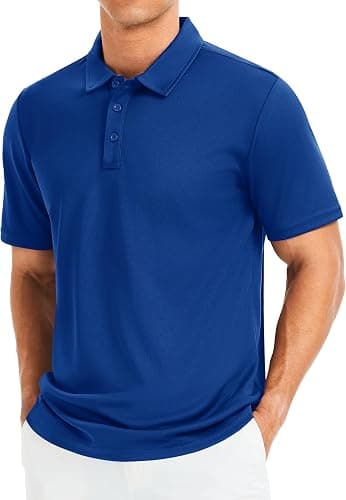
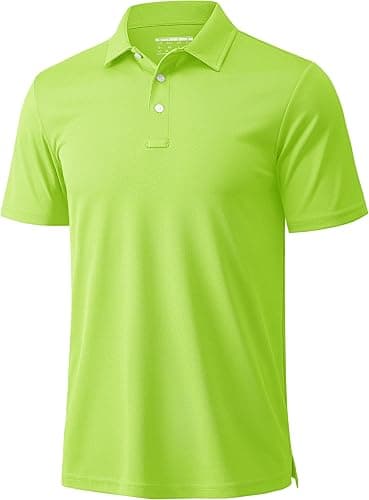
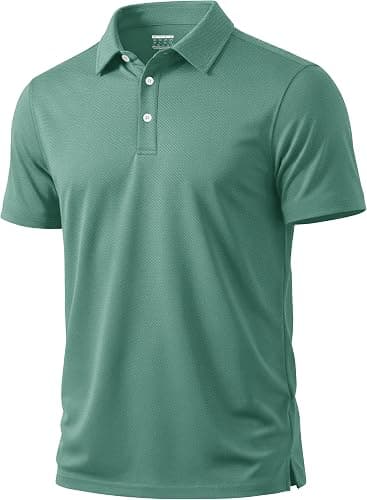
On a polo the contrast is sharper than it is on a cap, because a chest panel sits flat and open rather than curving away around a crown. A raised crest there catches overhead light and reads as a considered garment detail. The same crest stitched flat reads as staff kit. Neither is wrong, they simply aim at different buyers. The wholesale polo shirts page carries the from-price and the fabric list, and the puff finish service page explains how the raised build is set up and proofed.
Which knit supports each finish?
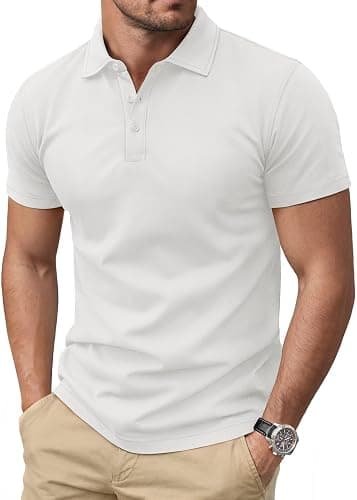
Polo fabric is normally piqué, the textured waffle knit with visible cells, or a smoother performance knit carrying polyester for moisture movement. Piqué has enough body to hold a dense flat design without rippling, which is why corporate crests default to it. Performance knits are lighter and stretchier, so they want a firmer backing under the hoop; skimp there and the panel puckers the moment the stabiliser is torn away.
Puff asks more of both fabrics. Foam adds bulk and bulk on a thin stretch knit pulls the surrounding cloth. If you want a raised chest mark on a performance polo, keep it small and keep the stroke weight even across the whole design. On a heavier piqué you have room to work, and a raised wordmark two inches wide will sit properly without distorting the panel around it. Collar and placket construction matters here too: a raised mark placed too close to a three-button placket fights the topstitching, so the design gets nudged outboard.
What does each cost across a fifty-piece run?
Both carry a one-off digitising charge to convert your logo into a stitch file. Puff needs its own file even when a flat version already exists, because the underlay, the pull compensation and the stitch density are all different numbers. After that you pay by stitch count, and puff is the dearer of the two: the machine runs slower, it eats more thread, and somebody trims the foam by hand on every garment. At fifty pieces that gap shows plainly on the line. At five hundred it is a smaller slice of a larger bill, and the volume tiers take up to 35% off the fifty-piece price as you climb through 50–99, 100–249, 250–499, 500–999 and 1,000-plus.
A sample is £150 and is credited against the bulk order when you place it. For a straight choice between two finishes that is usually worth spending, because height is the one thing a flat on-screen mock-up cannot show you.
So which should you pick?
Pick flat embroidery when the polo is workwear, when the logo carries fine type or a strapline under it, when the garment has to look identical in year three, or when several departments need the same crest across different garments. Pick puff when the mark is a single bold wordmark or a simple monogram, when the polo is a retail or team piece rather than a uniform, and when you want it to look made rather than ordered.
They also share a garment happily. A flat left-chest crest with a raised wordmark across the back yoke is a common spec, and it prices as two positions rather than two orders of fifty. Settle the usable areas before artwork sign-off; we walk through them in print placement on polo shirts. Fabric weight is the other half of the decision, and GSM explained for bulk polo shirts covers what the knit can carry.