Oversized vs Regular Fit for Merch: How to Decide
By The Velocity Wear Team
Need this made?Get pricing for this product— free, no obligation, 50 pieces minimum.
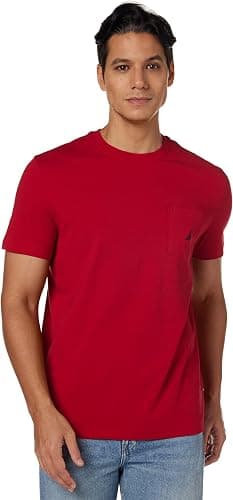
Oversized fits win when people choose to buy and wear the garment: streetwear, band and creator merch, fan pieces, anything sold rather than issued. Regular fits win when you have to cover a whole group from one size run: staff uniform, team kit, event giveaways, anything where a poor fit means an unworn garment. The deciding factor is simply whether the wearer picked their own size.
What Oversized Actually Changes on the Spec Sheet
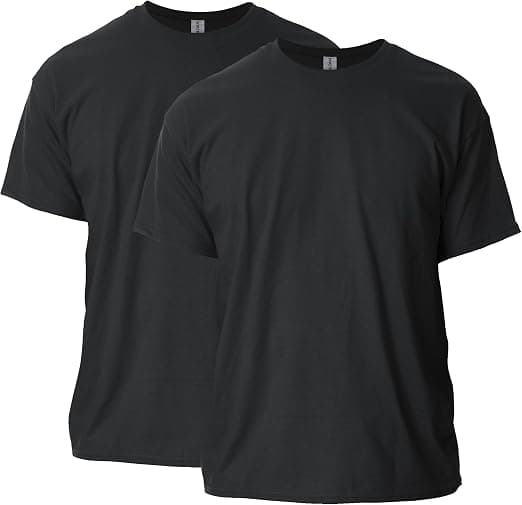
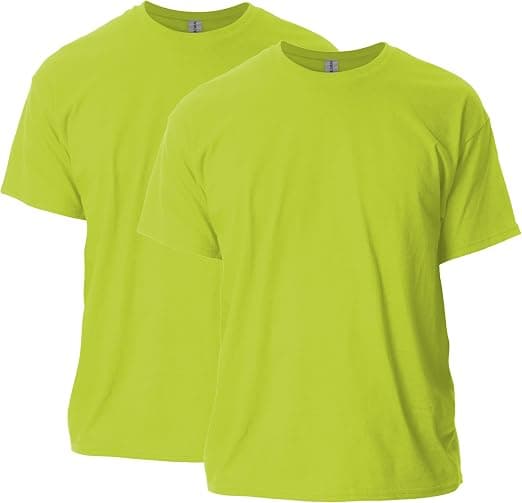
Oversized is not one dimension. A properly cut boxy blank widens the body, adjusts the length relative to that width, and drops the shoulder seam down the arm. That last part matters more than the width. On a regular tee the shoulder seam sits on the shoulder point. On a drop-shoulder tee it sits somewhere down the upper arm, which changes where the garment folds and where a print visually lands.
Some blanks sold as oversized are just a regular block cut longer. Others are genuinely redrafted, with a wider neck rib and heavier fabric so the extra width does not collapse. Read the measurement table rather than the marketing name, and compare chest width and body length directly against a regular fit you already know.
The Print Placement Problem Nobody Warns You About
This is the most common mistake on oversized merch. A standard chest print is positioned a set distance below the collar, which works on a regular fit because the shoulders frame it. Put that exact placement on a drop-shoulder garment and it reads as too high and too small, because the visual centre of the chest has moved down and the field around it has widened.
On oversized blanks, prints usually need to move down and scale up. Back prints especially need rethinking, because there is far more fabric and a design sized for a regular fit floats in the middle of it looking lost. Lay it out in the Design Studio on the actual garment before approving, rather than assuming the placement carries over from your last run.
Where the Oversized Cut Genuinely Wins
If your audience already dresses that way, a regular fit reads as dated no matter how good the print is. Merch for music, skate, gym and creator audiences lives or dies on silhouette. Oversized also suits a wider range of bodies at the same nominal size, because nobody is being asked to fill it out, and it photographs better for product shots and social posts.
There is a practical bonus. Because oversized blanks are cut fuller, a narrower size range often covers more people, which can simplify your size curve rather than complicate it. That only holds if you tell buyers what to expect.
Where a Regular Fit Is the Safer Order
Uniform is the clearest case. Staff kit needs to look tidy and consistent across a team, and an oversized cut on somebody who did not choose it looks like a mistake rather than a style. Same goes for anything worn under a tabard, apron or jacket, where extra fabric bunches and rides up.
Giveaways are the other case. When you hand garments to people who never picked a size, a regular fit in a familiar range gets worn far more often. Oversized giveaways tend to sit in drawers, because the recipient cannot tell whether the fit was intentional or a sizing error.
- Sold merch, chosen by the buyer: oversized is usually the stronger commercial choice.
- Issued kit, chosen by you: regular fit, every time.
- Mixed audiences: run the same design on both fits and let people choose at the point of order.
- Any oversized order: re-position and re-scale the artwork instead of reusing your regular-fit placement.
- Publish real garment measurements, not just S to XXL, because oversized sizing is not comparable between brands.
Sizing Communication Is the Whole Game
The problems you cannot undo come from ambiguity. If a buyer cannot tell whether your medium fits like a medium or is cut to be worn oversized, half of them will order up and half will not. Publishing flat measurements, chest width and body length in particular, removes most of that guesswork. One short line saying how the garment is meant to be worn removes the rest.
For custom orders this matters more than for retail, because there is no restocking. Sizes can be mixed freely within a 50-piece minimum order, so you have flexibility on the curve, but a garment printed with your design is not something that gets resold to somebody else if the fit surprises people.
“"An oversized tee is a different garment, not a bigger one. Print it like a bigger one and it will look like a mistake."”
Running Both Without Doubling the Work
You do not have to pick one forever. A common split is a regular fit for staff and event kit, and an oversized fit for anything sold to the public, using the same artwork with two saved placements. Keep both layouts on file so reorders do not need proofing from scratch, and note the garment reference beside each one. The artwork is the same asset. The setup is not.