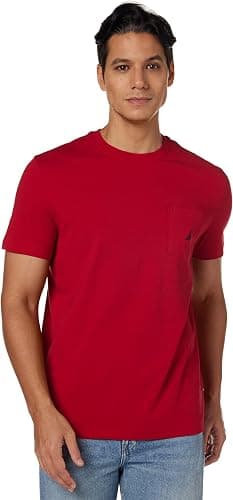
Ordering Kit for a Volunteer Day: Sizes, Numbers, Visibility
By The Velocity Wear Team
Need this made?Get pricing for this product— free, no obligation, 50 pieces minimum.
Make volunteers identifiable from every angle, order for turnout rather than sign-ups, and leave the date off so the shirt gets a second life. Then work backwards from the day: around 10-15 working days of production from artwork approval for screen printing, nearer 15-20 for sublimation or anything complex, plus 2-5 working days of tracked UK delivery. Production starts when artwork is approved, so the sign-off is your real starting gun.
Being Identifiable Is the Whole Point
A volunteer day usually happens in public: a park, a high street, a beach, a community centre with people coming and going. Members of the public need to know instantly who is part of the effort and who is a passer-by, and so do the volunteers themselves, most of whom have never met each other before nine that morning. A consistent shirt does that work continuously, without anybody having to explain themselves.
It also protects the organisers. If someone approaches your team with a question, a complaint or an offer of help, the shirt tells them they have found the right person.
Front, Back and From Fifty Metres
Print both sides. A left-chest logo is invisible when someone is bent over a flowerbed or walking away from you, and most of the time you spend looking at a volunteer, you are looking at their back. A large, simple back print with the organisation name is the single most useful decoration decision on this kind of order.
Keep it simple enough to read at distance. High contrast, no thin outlines, no detail that only works close up. If the design has to work as a single ink colour for screen printing, that constraint usually improves it.
Sign-Ups Are Not Turnout
Volunteer numbers move in both directions and rarely in your favour. Some people who signed up will not come. Some will bring a friend, a partner or two teenagers. If you order exactly to your sign-up list you will simultaneously have leftovers in the wrong sizes and nothing to give the three people who turned up unannounced and stayed all day.
Order to a realistic turnout figure, then add a margin of spares in the sizes that run out first. Unused shirts are not waste on a volunteer day; they become the kit for the next one, or the thing you hand to the person who joins in halfway through the morning.
Sizing for People You Have Never Met
You are ordering for a crowd whose shape you do not know, so build the run to cope rather than to be precise.
- Use unisex fits as the default; they suit the widest range of people and remove a decision from a busy sign-in desk.
- Carry the size range properly at the top end. Running out of larger sizes excludes people in the most visible possible way.
- Include a few small and youth sizes if families or young volunteers are welcome on the day.
- Skew the middle of the curve heavily, because that is where most of the turnout will land.
- Sort and label the boxes by size before the day; a sign-in queue is not the place to rummage.
Leave the Date Off
A dated shirt is worn once and then folded away, because nobody wears last spring's date to the supermarket. An undated shirt carrying only the organisation and the cause gets worn to the gym, on dog walks and around town for years, quietly advertising you the whole time to people who have never heard of you. It also means leftovers are still usable at the next event instead of becoming stock you feel guilty about.
If the day genuinely deserves commemorating, put the year somewhere small on a sleeve rather than across the chest.
“"The best volunteer shirt is the one somebody wears to the shops six months later."”
Weather and What Goes Over the Top
Outdoor volunteer days in the UK need a plan for rain and cold, and a printed tee is not that plan. Think about the layer above it: a branded hoodie or sweatshirt for team leads, and space for volunteers to wear their own coats without the identification disappearing. If the work is near traffic or on a highway verge, high-visibility clothing is a separate requirement with its own rules, so check current official guidance rather than assuming a bright shirt is enough.
Building the Timeline Backwards
Volunteer days are usually organised by people doing it alongside another job, which means the artwork is the step that slips. Draft the design early, get whoever signs it off to look at it once rather than three times, and approve the proof the day you receive it. Everything after that is predictable: production from approval, then tracked delivery, then a quiet afternoon sorting boxes by size before the morning arrives.