Minimum Orders Explained for Hotels
By The Velocity Wear Team
Fifty pieces of one design is the minimum, with sizes mixed freely inside it. For a hotel that means each department uniform counts on its own, and each towel size is its own line rather than part of a shared total. A property running four distinct uniforms is planning four runs of 50, not one order of 50 split between them.
How does the 50-piece minimum apply to a hotel order?
A design is one garment, one artwork, one colourway. Front desk polos in navy and housekeeping tunics in grey are two designs even if the crest is identical, because the garment and the colour both differ. Sizes inside each 50 are entirely yours to arrange, which is the part that makes the rule workable for a property with an uneven headcount.
Count the departments before costing anything. Most hotels find the total is higher than expected and then consolidate: one polo colour across front desk and concierge, for example, distinguished by a name badge rather than by a separate garment. That consolidation is where the real saving sits. The full product list is on the wholesale range.
Do two towel sizes count as two orders?
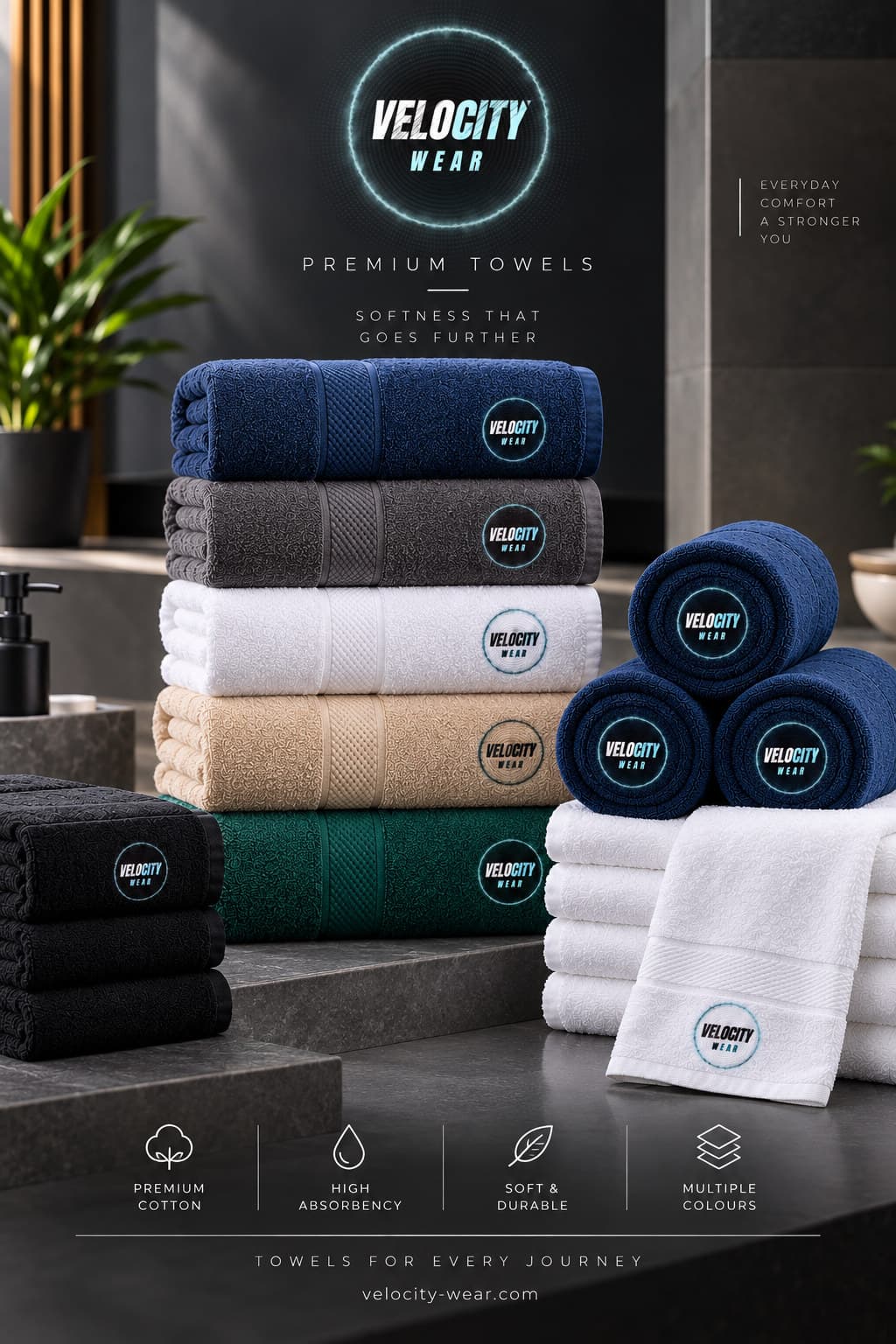
Yes. A bath sheet and a hand towel are different products, so fifty of each rather than twenty-five apiece. That is worth knowing early, because a property planning a full guest set across three sizes is planning three runs of 50 before any spares are added. Towels are quoted per job, so the towels page is the starting point rather than a price list.
The good news is that towel quantities are rarely the constraint. A property that runs a proper rotation needs several sets per room in circulation anyway, so the minimum is usually met by the rotation itself rather than by buying more than you need. The sizing side of that is covered in personalised bath towels for hotels, B and Bs and hosts.
How does linen rotation change the quantity?
It multiplies it. A towel in a room, a towel in the laundry and a towel on the shelf is three per position, and properties running a commercial laundry cycle often work on more. Calculate from positions and rotation rather than from room count, and the resulting figure will usually clear the minimum comfortably on its own.
Uniform works the same way but with smaller numbers. A housekeeper needs enough sets to cover the days between wash cycles, which for a commercial laundry is usually three, and that turns a team of twelve into thirty-six pieces before spares. Add the spares and a single department is close to the minimum by itself.
How should a small property reach 50?
Order depth rather than breadth. A guesthouse with four staff does not need four uniform designs; it needs one good one, ordered deep enough to last two years, with the rotation and the spares counted in. The pieces left in the cupboard are not waste if they are the sizes you reissue.
Think about the replacement horizon too. Uniform that sits in stock is not deteriorating, and buying two years of cover in one run puts you into a better tier, with the reduction reaching up to 35% as volume rises. The general principles behind minimums across the trade are set out in minimum order quantities explained.
Design the uniform so it does not date, since you will be living with it for a while. A colour tied to a current interior scheme becomes awkward the moment the lobby is refurbished, and a garment carrying a strapline is retired the moment the strapline changes. A plain crest on a neutral base is the version that still looks deliberate in year three.
Where a group runs several properties, order across them. Sites sharing one garment and one crest reach a deeper tier together than each of them manages alone, and the stock can be held centrally and issued where it is needed. That is usually the largest single saving available to a small hotel group.