Hoodies for Agencies: reordering
By The Velocity Wear Team
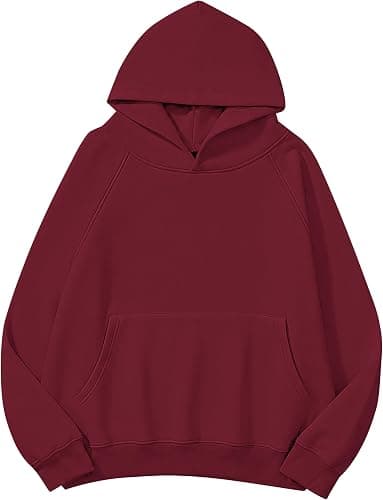
A repeat hoodie order runs to the same 50-piece minimum and the same 10 to 15 working day production window, but it skips most of the setup conversation because the artwork and specification already exist. The one thing that does not repeat automatically is colour: fleece is dyed in batches, so a restock should be matched against a retained garment rather than a colour name.
What should an agency archive after the first run?
Client accounts change hands. The person who placed run one is often not the person who places run two, so the record has to live in the file and not in someone's inbox. Keep the garment weight in GSM and the fit name, the colour reference, every decoration position with its measurement from the shoulder seam, the ink Pantones and thread numbers, the private label specification, and the final size curve as ordered. Attach the approved sample photographs. Then keep the sample garment itself, labelled with the job number.
How close will the second run look to the first?
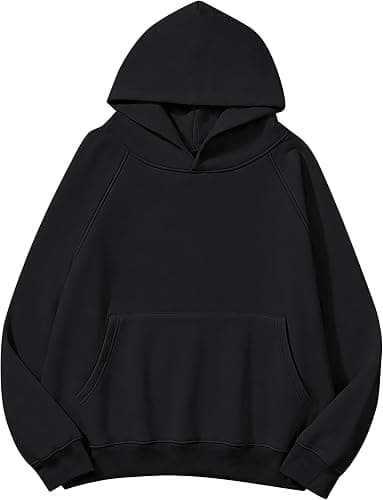
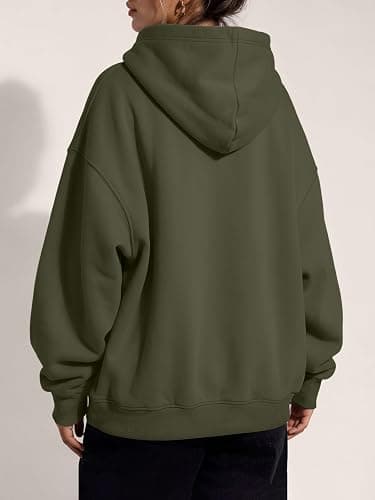
Close, with two honest caveats. Dye lots vary within a commercial tolerance, which is invisible on black and more noticeable on mid-tones and pastels. Inks mixed twice to the same Pantone land very near each other but not identically. Neither matters if the two runs are worn by different groups at different times. Both matter if the client is going to hand out run two at an event where run one is already in the room. In that case send the reference garment back with the order, or order deeply enough the first time that one run covers the whole programme.
Does a repeat order cost less?
Through quantity, yes. The per-piece price falls as the order grows, up to 35% off the 50-piece price at the top tier, and a repeat order is priced on its own quantity rather than being added to the first one. That is the argument for consolidating: a client who orders 100 hoodies twice a year is paying a higher per-piece rate than one who commits 250 in a single run. Put that in front of them with the tier structure visible — the mechanics are set out in hoodies for agencies: cost.
When should a repeat be treated as a new order instead?
Any time the specification changes materially. A new colourway that needs its own screens is a separate design with its own 50-piece minimum. A change of garment weight or fit changes how the decoration behaves and deserves a fresh sample. A revised logo is new artwork, full stop. The general rules around repeating a design are in can I reorder the same design later, and if the change is the decoration method itself, the trade-offs are in hoodies for agencies: print or embroidery.
There is also a practical test for whether something counts as a repeat: could the factory produce it from the archived file without asking you a question? If yes, it is a repeat. If the answer involves a phone call, it is a new job and should be priced, sampled and scheduled as one.
Current weights, fits and from-prices sit on the wholesale hoodies page. Where a client programme spans several garment types across the year, the corporate apparel page explains how those are handled.
One last piece of housekeeping. Agencies rotate staff faster than most clients do, so write the reorder instructions in plain language for whoever inherits the account, including the job number, the supplier contact and the date the last run was approved. A repeat order placed from a complete record takes minutes. One reconstructed from scratch takes a fortnight and usually produces a garment that is subtly different from the one the client remembers.