Heavyweight T-Shirts and Boxy Fits: The Streetwear Standard
By The Velocity Wear Team
Need this made?Get pricing for this product— free, no obligation, 50 pieces minimum.
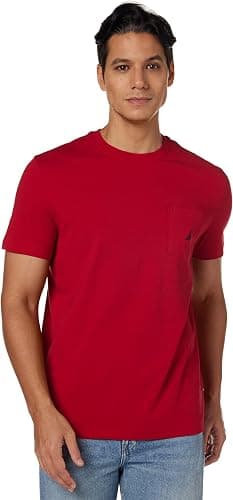
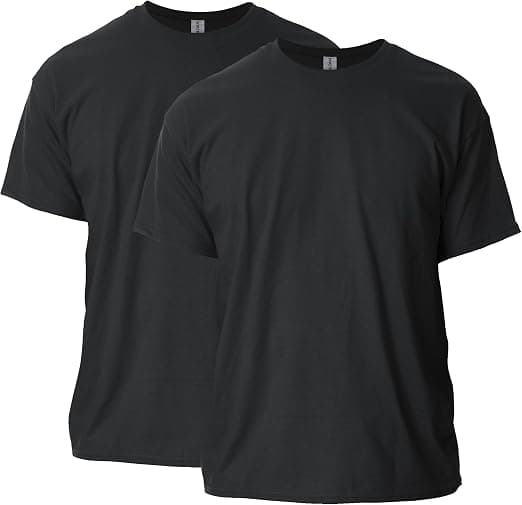
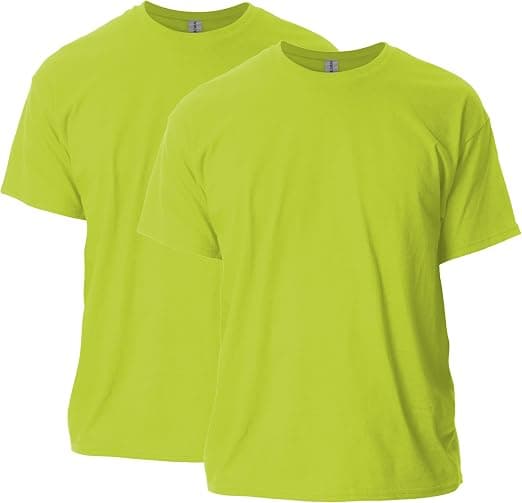
Heavyweight boxy t-shirts typically sit at 220 GSM and above, with a wider body, shorter length relative to width, and often a drop shoulder. The weight gives structure and opacity; the cut is what makes the garment read as contemporary rather than as a standard promotional tee.
Why This Became the Standard
The shift towards heavyweight boxy tees was not purely fashion. A heavier fabric hangs rather than clings, does not become translucent, holds a printed design flat without distortion, and survives washing without losing shape at the neck. Those are practical advantages, and they happen to coincide with a silhouette that has dominated streetwear for several years. The result is a blank that both looks current and performs better.
The Specification
Several elements combine, and missing one undermines the rest.
- Weight from 220 GSM upwards. Below that the garment will not hold the structure the silhouette depends on.
- A wider body with reduced length relative to width — this is what creates the boxy proportion rather than simply sizing up.
- A ribbed collar with good recovery. A collar that stretches out is the single most common failure point on a heavyweight tee.
- Shoulder construction: a drop shoulder reinforces the relaxed silhouette, while a set-in shoulder reads more classic even at heavy weights.
Sizing Up Is Not the Same Thing
A frequent mistake is ordering standard tees a size or two large to achieve the look. It does not work: a larger standard tee is longer as well as wider, so it hangs past the hip and reads as ill-fitting rather than intentionally oversized. The boxy proportion comes from the cut of the pattern, not from the size on the label. If the silhouette matters, the blank has to be specified for it.
“"Ordering a size up gets you a bigger t-shirt. It does not get you a boxy one."”
Printing on Heavyweight Cotton
Heavier fabric is a better print surface. It provides a stable, dense base that holds ink flat, shows less print-through on the reverse, and takes large solid areas without the fabric distorting. Screen printing on a heavyweight tee produces the crispest result and is the standard for volume. DTF handles detailed and full-colour artwork on shorter runs without screen setup charges. Puff and other specialist finishes read particularly well on heavier cotton because the fabric supports the texture.
Ordering for a Label
Orders start at 50 pieces with mixed sizes allowed, which makes it practical to produce a first run across a full size range, assess the blank in hand, and see what sells before scaling. Bulk discounts reach up to around 35% as quantities rise, so a proven design reorders substantially cheaper per piece. Preview placement and scale in the free Design Studio — print size that looks right on screen is frequently too large at 35cm across a chest — and model options in the free instant price calculator.