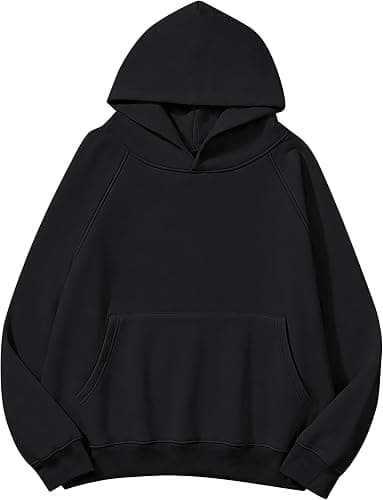
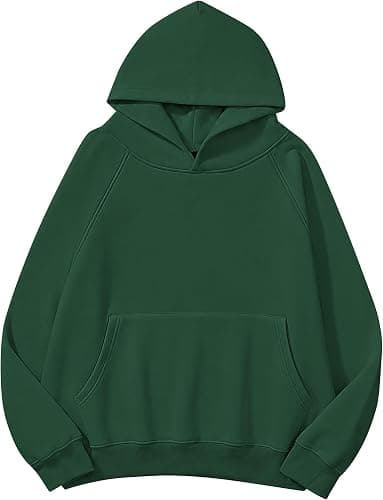
Heavyweight Hoodies: What US Streetwear Brands Get Right
By The Velocity Wear Team
Ten years ago, a 13 oz hoodie was a niche product for fleece nerds. Now it's what shoppers expect from any independent streetwear brand charging real money. Heavyweight hoodie gets over six thousand US searches a month, and the brands winning that search have one thing in common: you can feel the difference the second you pick up the product.
What counts as heavyweight
There's no official cutoff. Most people mean 12 oz per square yard and up, which is about 400 GSM. Plenty of promotional hoodies sit around 8 oz. Our hoodies go from 280 GSM (about 8.3 oz) up to 450 GSM (about 13.3 oz), so you can pick the exact density your brand needs.
Why heavy sells
- Drape. Thick fleece hangs straight and holds a boxy silhouette instead of clinging.
- First impressions. The unboxing moment and the in-store pickup both reward weight.
- Durability. Dense fabric resists pilling and keeps its shape.
- Print quality. A heavy base doesn't pucker under a big screen print or puff print.
Trade-offs you should plan for
Heavier hoodies cost more to make and more to ship. Weight moves shipping costs, especially if you ship lots of single orders across zones. Heavy hoodies also run warm. Your customers in Minneapolis will love them; your customers in Miami will wear them for three weeks a year. If much of your audience is in the South, consider offering a midweight version too.
Pair weight with the right cut
A heavyweight hoodie looks best boxy: dropped shoulders, a slightly cropped or hip-length body, and a wide, straight silhouette. Slim fits in thick fleece look stiff. Your size chart needs to say the fit runs relaxed so customers don't size up and end up swimming in it.
Details that finish the look
- A double-layer hood that holds its shape and frames the face.
- No drawcords, which is cleaner and very on trend.
- Heavy rib cuffs and waistband that don't go wavy after washing.
- Garment dyed or washed colors for a lived-in feel.
- A custom woven neck label so it doesn't look like a blank.
Colors for a heavyweight line
Black and heather gray are the anchors. Beyond that, earthy colors have been strong: brown, olive, sand, washed navy, faded black. Heavyweight fleece shows color depth nicely, so richer tones tend to look more expensive than bright primaries.
Price it to match the product
Add up everything: garment, decoration, labels, packaging, freight, duties, shipping to customers, payment fees and returns. Then compare with other independent streetwear brands selling heavyweight hoodies. New founders almost always underprice. If the product is heavy, well made and well photographed, charge like it.
Photography that shows the weight
Heavyweight hoodies sell on how they hang. Photograph on people, from the side, in natural light, and include a close-up of the rib and hood. A shot of the hoodie holding its shape on a hanger helps shoppers understand thickness without touching it.
Restocking bestsellers
Keep your core heavyweight hoodie in black and gray permanently available, and use limited colors for drops.
Get it in writing, then sample
Don't just ask for heavyweight. Specify GSM, fiber content, fit and a color reference. Then order a sample and put it next to the best hoodie you own. Adjust before production, not after. Our minimum is 20 per design with sizes mixed, and production is 10 to 15 working days after artwork approval. Start with custom hoodies.