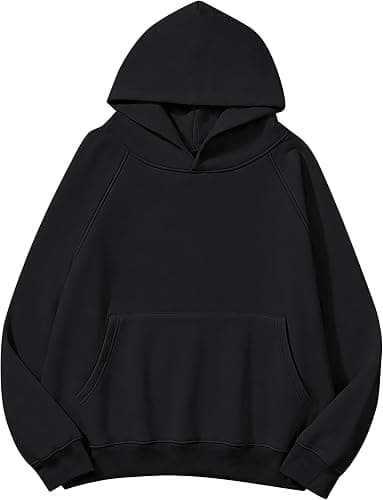
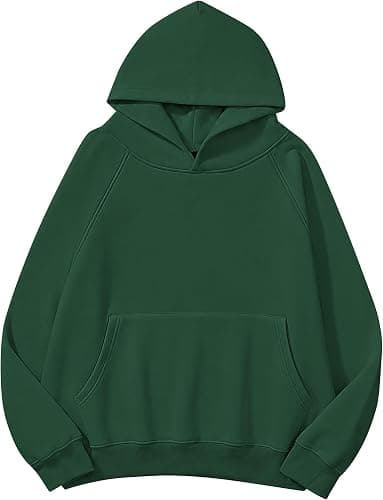
Specifying a Streetwear Hoodie an American Buyer Will Pay For
By The Velocity Wear Team
A hoodie is the anchor product for most American streetwear brands and the one where the gap between price points is most obvious in the hand. It is also the garment where a new brand can most easily specify something genuinely good, because the differences are all nameable. Here is what to actually ask for.
Weight, and what it buys you
Around 300 GSM — roughly 9 oz — is a light hoodie. It is fine, and it is what a lot of blank programmes ship as standard. 380 GSM (about 11 oz) is a solid midweight and the point at which a garment starts feeling substantial. 450 GSM (about 13 oz) is a genuine heavyweight, structured enough to hold a shape rather than drape off the body.
Heavier is not automatically better, but for the boxy, structured silhouette that dominates current US streetwear, weight is doing real work. A cropped, wide fit in 280 GSM collapses; the same pattern in 450 stands.
Loopback or brushed
This is the specification most new brands do not know to make. French terry with an unbrushed loopback interior shows visible loops on the inside, feels drier and more textured, and holds its shape over time. Brushed-back fleece is napped on the inside for softness, feels warmer and cosier immediately, and pills more readily over a long life.
Neither is correct. Loopback tends to read as the more premium, longer-lasting choice and suits a garment sold on construction. Brushed fleece wins the first-touch test in a store and suits a garment sold on comfort. Decide deliberately, because it changes the character of the product more than any other single choice.
The construction details worth naming
- A two-panel hood, or three-panel. Two-panel is cleaner and more common at premium; three-panel is more traditional. Either way, ask whether the hood is lined and in what.
- Ribbed cuffs and hem, with the rib composition specified. Rib that has no recovery is the reason a hoodie looks tired after a month, and it is a cheap thing to get right.
- A flatlock or coverstitch at the seams rather than a plain overlock. Visible, tidy, and it signals construction quality at a glance.
- Self-fabric or twill tape at the neck. A taped neck is a five-cent detail that reads as expensive.
- Metal or plastic tipped drawcords, and whether the eyelets are metal. Small, but it is one of the first things a hand does when picking a hoodie up.
- Kangaroo pocket bar-tacked at the openings, which is where pocket seams fail first.
Fit, stated in measurements
Boxy, oversized, cropped, classic — these words mean nothing without numbers. What defines a fit is the relationship between chest width, body length and shoulder width. A boxy hoodie has a chest measurement close to or exceeding its body length and a shoulder that drops past the actual shoulder point.
Specify it as measurements at your base size and let the grading handle the rest, rather than sending a reference image and hoping. A reference image is a useful supplement and a terrible specification.
Decoration that matches the garment
A heavyweight hoodie deserves decoration with some presence. Puff print, high-density screen print, embroidery, or an applied patch all sit well on fleece and read as considered. A thin single-colour transfer on a 450 GSM garment is a mismatch that customers register without being able to name.
Embroidery on fleece needs a backing appropriate to the pile, or the stitching sinks. Say the garment is heavyweight fleece when you send artwork so the digitising accounts for it — this is a common cause of a logo that looked crisp on a tee and muddy on a hoodie.
Sample it before you commit
Every choice above is a hand feel, and hand feel cannot be assessed from a spec sheet. Get the sample, wear it, wash it, and then order. Production runs 10 to 15 working days from artwork approval, so the sampling round is the part of the calendar to protect.