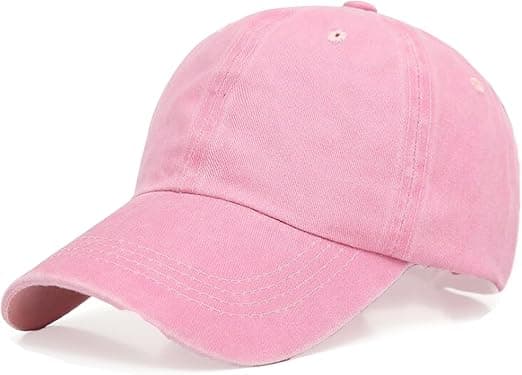
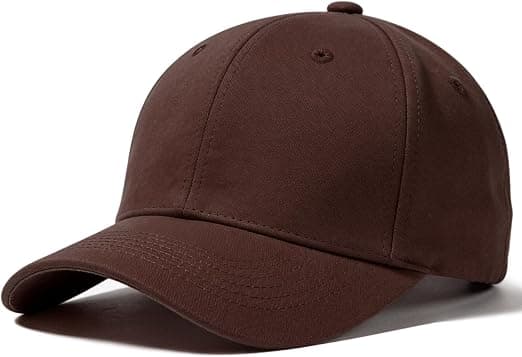
Caps for Retailers: size splits
By The Velocity Wear Team
Most wholesale caps are adjustable, so a retail buy has no size curve to get wrong. Fifty snapbacks is fifty sellable units, not a bell curve with dead ends. That changes the shape of the risk: instead of guessing sizes, a buyer is only guessing demand, and depth becomes a safer decision than it is for shirts.
Do caps need a size curve?
Adjustable ones do not. Snapbacks, mesh-back truckers and strapback dad caps all use a closure that covers a wide range of head sizes, which is why the classic apparel failure — selling out of medium in a fortnight and marking down the extremes in six months — simply does not occur. Every unit on the shelf is available to every customer who picks it up.
Fitted caps do need one. They come in set sizes and behave like any sized garment, with a curve to plan and ends that move slowly. If a fitted crown is central to the look you are buying, that is a legitimate choice, but it reintroduces the exact problem the rest of the category avoids. Apparel sizing and fit covers how to build a curve when you do need one.
What do you split instead?
Colour and style, which is a much better problem to have because both are visible on the shelf and both generate data you can act on. The constraint is the minimum: each colourway needing its own setup is its own design at fifty pieces, so a three-colour story is a hundred and fifty caps, not fifty split three ways.
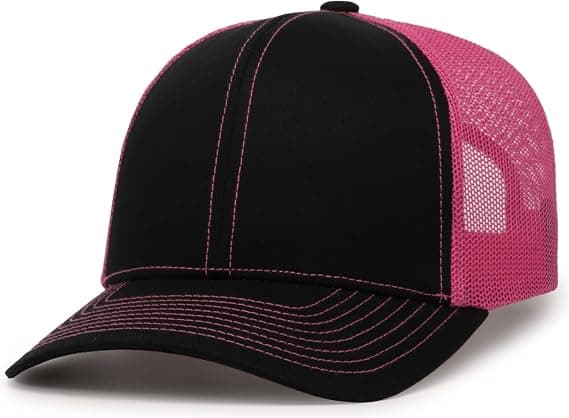
For an opening buy that usually means one colour done properly. Depth reads as confidence on a shelf and shallow multiples read as leftovers, and you learn more from one design given a fair run than from three that never got one. The wider product picture sits on our wholesale range and the styles on the caps page.
What does this do to returns?
It removes most of the reason for them. Apparel returns are dominated by fit, and an adjustable cap is bought, tried on at the shelf and taken home. For an online channel that is even more valuable, because fit-driven returns are the cost that quietly eats the margin on remote apparel sales.
Fitted caps bring that cost back in proportion to how much of the buy they represent. If you carry both, it is worth tracking them separately so the adjustable line is not judged on numbers the fitted one generated.
How do you plan the second buy?
From the sell-through of the first, by colour and by style, not by instinct. The data is cleaner for caps than for anything else in apparel precisely because size is not muddying it: if a colour did not sell, it was the colour. Carry that into the next order and increase depth on what worked rather than breadth across what might.
Keep the artwork consistent between buys so the repeat skips the setup, and keep a cap back as a colour reference for the run after that. A repeat of an identical design goes straight into production at 10–15 working days from approval.
The absence of a size run also changes how caps merchandise. There is no ladder to display, so the fixture can be built around colour and design, which is what a customer is actually choosing between. That makes a small footprint work harder than the same space would for shirts, and it is part of why caps hold their place in ranges where room is tight. Plan the fixture the way you plan the buy: depth in what sells, one clear story rather than several half-told ones. And because every cap on the fixture fits every customer looking at it, the display does not degrade over the season in the way a picked-over size run does, which keeps the line presenting well right up to the point you restock it.