Caps for Retailers: reordering
By The Velocity Wear Team
Reordering caps skips the setup arguments but not the calendar: it is still fifty pieces minimum per design and still 10 to 15 working days from artwork approval. What changes is that the digitised embroidery file, the blank reference and the thread numbers already exist, so approval is usually a same-day step rather than a week of proofs.
What actually carries over from the first run?
The stitch file is the valuable part. Digitising converts your logo into a path a machine follows, and rerunning that path is what makes a second batch match the first. Blank style, panel colour reference and thread numbers sit alongside it. Quote the original order number and the repeat starts from those records, not from your logo file again. The styles available are listed on the wholesale caps page, and the same records exist for anything else you have run through our wholesale service.
What does not carry over is anything you changed in the meantime. A new brand palette, a redrawn logo or a different blank makes it a new design, with a fresh fifty-piece minimum and a fresh approval.
Why do two runs of the same cap look different?
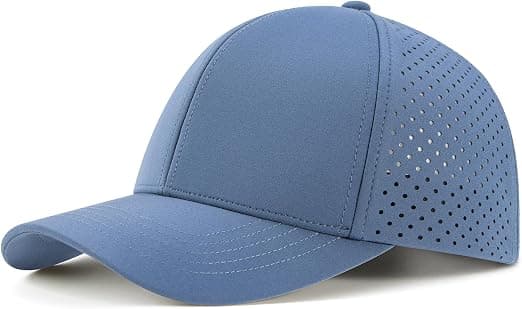
Dye lots. Cotton twill is dyed in batches, and a navy from one batch can read a shade warmer than a navy from the next. On a shelf, side by side, a retailer sees it immediately even when the difference is small. The fix is not magic: order deeper, less often. Fifty caps twice a year will show more drift between runs than two hundred once.
Thread is steadier than fabric, so the logo itself rarely moves. Where a repeat goes visibly wrong is a change of blank supplier mid-line, which is why quoting the original order matters more than describing the colour.
How should a shop time its restocks?
Count backwards from the shelf, not forwards from the warehouse. Production is 10 to 15 working days after artwork sign-off, delivery transit is on top, and a repeat still has to be scheduled. A shop selling ten caps a week and carrying four weeks of cover needs the order raised around six weeks before the shelf empties, not two.
Season peaks compress that. If a cap sells hardest in July, the July restock is placed in May and the second one is placed while the first is still selling. Our notes on apparel production lead times break down where the working days go.
Does a repeat order cost less per cap?
Not because it is a repeat — because of quantity. Caps start at $12 a piece at fifty, and the tiers step at 100, 250, 500 and 1,000, with up to 35% off the fifty-piece price at the top. Two runs of fifty are priced as two runs of fifty. One run of a hundred is priced as a hundred, which is the whole argument for consolidating a year of restocks into fewer, larger orders where your cash allows.
One practical habit: keep a short record of what sold in each colour, then weight the repeat instead of duplicating it. If you also want to change the cap style rather than the quantity, treat it as a new line and sample first — what to check on a cap sample covers that, and can I reorder the same design later answers the record-keeping side.