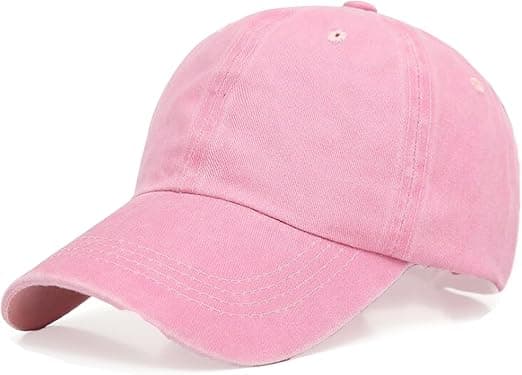
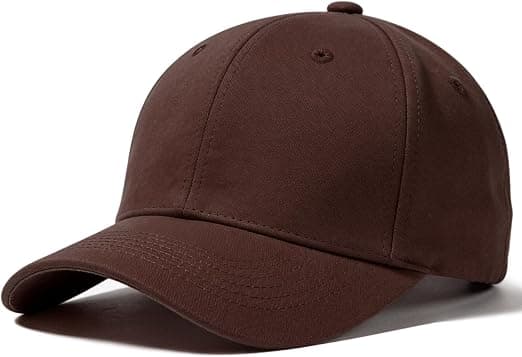
Caps for Events: samples
By The Velocity Wear Team
A cap sample is £150 and that charge is credited against the bulk order when you go ahead. It buys you a physical cap in the blank you chose, with your artwork on it, before fifty or five hundred are made the same way. For an event the decision is rarely about the money. It is about whether the calendar has the days, because the sample stage sits in front of the production window rather than inside it.
What does the sample actually get you?
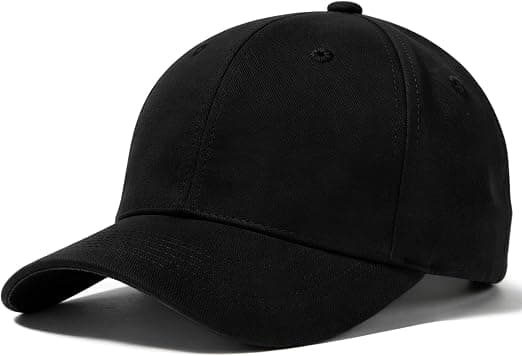
The cap in your hands. That means the crown shape and how it sits on a head, the stiffness of the front panel, the peak curve, how the closure feels, and the decoration at its real size in real thread or ink. None of those can be judged from a screen, which is the whole argument for the stage. AI mockups vs physical samples goes through what a render can and cannot tell you.
It also gives you something to show the people who have to approve the spend. A cap on a desk ends an argument that a PDF prolongs, and for an event committee that alone can be worth the stage.
What should you check when it arrives?
Work through it deliberately rather than glancing at it and nodding, because this is the only chance to change anything without it costing a production run.
- Does the logo read at arm’s length, outdoors, not just held close under an office light?
- Is the decoration centred and at the height you expected on the panel?
- Does the colour match your reference in daylight rather than under a lamp?
- Does the closure hold, and does the cap sit right on more than one head?
- Is the front stiff enough to hold the stitching without buckling?
How does the sample fit an event calendar?
Add it to the front of the plan, not the middle. The sequence is quote, artwork, sample, approval, then 10–15 working days of production and transit. An event date that will not move has to accommodate all of it, so the sample is the first thing to schedule and the first thing that gets squeezed when the plan is already late. Our events and festivals page covers how the rest of the kit runs on the same timeline.
If you run an annual event, order the sample well outside the busy period — the quiet months after one year and long before the next. The cap you approve then is available to order in a hurry the following spring, because the approved artwork stays on file.
When is a sample worth skipping?
When you are repeating a cap you have already held, when the artwork is a simple one-colour wordmark on a blank you know, or when the gate date genuinely leaves no room. Those are real cases. What is not a good reason is assuming the render is close enough on a first order with a detailed logo, because that is exactly the combination where samples earn their cost. The styles and their fronts are set out on the wholesale caps page.
If you do skip it, simplify. Fewer colours, larger elements, a blank with an unbroken front. Reducing the number of things that can be wrong is the substitute for checking whether they are.
For events run by a committee, the sample does a second job that never appears in the plan: it ends debate. A cap that exists can be passed round a meeting, tried on and agreed in five minutes, where a layout on a screen generates another round of comments and another week. If approval involves more than two people, the sample stage often saves more calendar time than it uses, which turns the usual argument against it on its head.