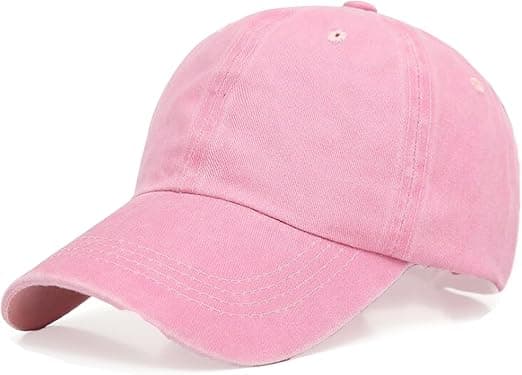
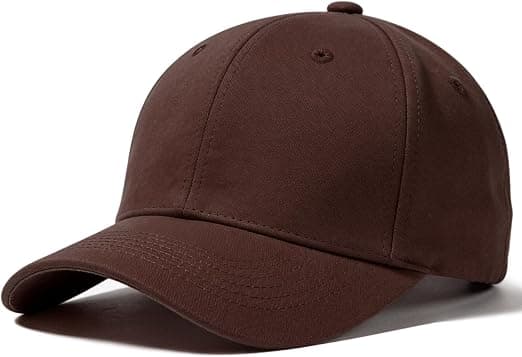
Caps for Events: reordering
By The Velocity Wear Team
A repeat cap order is the same fifty-piece minimum and the same 10–15 working day production window, but it skips the part that usually causes delays. Approved artwork stays on file, the blank is already chosen and the decoration is already proven, so the job goes straight into production. What decides whether a reorder is easy is a set of choices you make on the first run.
Can you run the same cap again next year?
Yes, and it is the least expensive merch decision an annual event can make. The artwork setup has already been paid for, so a repeat run carries the caps and the decoration without the one-off costs. It also means leftover stock from one year is not dead — it is the same product you are ordering more of. The general case is in can I reorder the same design later.
The thing that breaks this is dating the artwork. A cap with a year on it, or a line-up printed round the side, cannot be reordered and cannot be carried over, which turns unsold stock into a write-off and a restock into a new setup. If you want the year on something, put it on a tee and keep the cap evergreen.
Will the second run match the first?
Close, and closer if you help it. Blanks are produced in batches, so fabric and thread can shift slightly between runs — noticeable if the two are stacked next to each other, invisible on two people walking past. Keeping a sample cap from the first run gives production something physical to match against, which is worth more than a colour code in an email.
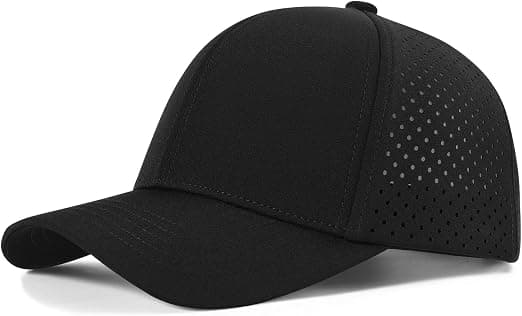
Order references matter for the same reason. Quote the previous order when you come back and the specification travels with it rather than being rebuilt from memory. Our wholesale caps page lists the styles, but the exact blank you had last time is on the order, not in a catalogue.
When should a restock be placed?
Earlier than feels necessary. A mid-season restock still needs 10 to 15 working days plus transit, so a cap that sells out on the first weekend of a festival run is not coming back for the second one unless the order was already in. For multi-date events, the practical approach is to order the full season quantity up front and take the better tier price rather than restocking twice at the minimum.
Between years, the quiet period is the right time. Placing the repeat months ahead removes the pressure entirely and lets you use the sample stage if anything is changing. Event kit planning more broadly is covered on our events and festivals page.
What should you record after the first run?
The order reference, the exact blank and colour, the decoration positions, the quantity ordered and the quantity left over. Five lines in a shared document, written while the van is being loaded, will save a week next year. The leftover figure is the valuable one, because it is the only real measure of demand you will ever have.
Keep one physical cap with those notes. It settles disputes about colour, it is the reference for the next run, and it is a great deal easier to find than a year-old email thread.
Storage between years is the other half of it. Caps keep well: they do not crease, they stack tight, and a sealed box in a dry store comes out looking the way it went in. Carrying surplus forward is therefore a genuine option rather than a polite fiction, provided nothing on the artwork ties it to a particular year. Knowing that in advance changes how much you are willing to order, because the downside of ordering slightly too many becomes a box in a store rather than money written off.