Caps for Bands: reordering
By The Velocity Wear Team
Reordering a cap is the same fifty-piece minimum and the same 10–15 working day production window, but without the front end. Approved artwork stays on file, the blank is recorded and the setup does not repeat, so a restock goes straight to production. Whether that is available to you was decided the day you chose whether to print tour dates on it.
How fast can a sold-out cap come back?
Ten to fifteen working days from placing it, plus transit, because the artwork stage is already done. That is fast for manufacturing and slow for a tour. A cap that sells out on night three is not returning for night nine, and planning as though it might is how bands end up with stock arriving the week after the last show.
The fix is upstream. Order the full run of dates in one go, take the better quantity tier, and treat a restock as something for the next cycle rather than the current one. The tiers are on the pricing page.
Does a repeat run come out identical?
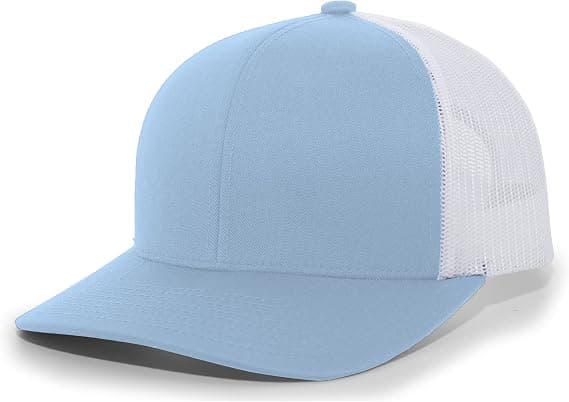
Closely, and more closely if you keep a cap back from the first run as a physical reference. Blanks and threads are produced in batches and can shift very slightly between runs — visible if two caps are held side by side under a light, invisible at a merch table. Giving production something real to match against removes most of that gap.
Quote the previous order reference when you come back, so the exact specification travels with the job instead of being reconstructed from memory. Can I reorder the same design later covers how that works across products.
Is it better to reorder or to order big once?
Per cap, one large order wins, because the tiers reward quantity and up to 35% comes off the fifty-piece price at the top. Per risk, several smaller orders win, because you are not holding stock of a design that stopped selling. The right answer depends on whether the design is proven.
A useful middle path is to test at fifty, then commit properly once you have a tour of sell-through behind you. The second order is where the money is made, and by then you are ordering against evidence. Our bands and music page covers the rest of the merch mix.
What keeps a reorder simple?
Undated artwork, above all. No year, no venue list, no support act. A cap that could have been sold at any point in the band’s life is a product you restock; a cap with a 2026 tour printed round the side is a souvenir that becomes a liability the moment the tour ends.
After that: keep the order reference, the blank and colour, the decoration positions and one physical cap together somewhere findable. Four pieces of information and one object, and the next order is a single email. The current range is on our wholesale caps page.
Tie the repeat to something already in the diary. A new release, an announcement or the start of a run of dates each give people a reason to buy, and stock that lands the week before one of those performs considerably better than stock arriving into a quiet month. Since the production window is a known quantity, working backwards from a release date is straightforward, and it turns the restock from a reaction into a scheduled part of the plan. The other advantage of planning it that way is cash: a repeat ordered against a known date can be funded from the run that preceded it, rather than from a merch budget that has already gone into the first order. Funding a repeat out of what the previous run earned is the point at which merch starts paying for itself instead of competing with the touring budget.