DTF vs Screen Printing on Caps
By The Velocity Wear Team
DTF prints full colour with no per-colour setup, which makes it the stronger option on a fifty-piece cap run and on artwork with photographs or gradients. Screen printing has a setup per colour but a very low per-piece cost once quantity climbs, and it lays down flatter, more opaque colour. At fifty caps DTF usually wins on price; by five hundred in one or two colours, screen printing does.
How many colours can each carry?
DTF has no practical colour limit. The design is printed as an image onto a film, powdered, and heat-pressed onto the panel, so a twelve-colour illustration costs the same to set up as a single-colour one. Screen printing separates the artwork into one screen per colour, and every screen is a setup, an alignment and a pass. Two colours is routine, four is getting expensive on a short run, and six on fifty caps is rarely worth doing. That single difference decides most cap jobs before anything else is considered.
Which is better for a short run?
DTF, at the fifty-piece minimum, almost every time. There is nothing to amortise: you pay per piece and that is the whole cost. Screen printing at fifty pieces spreads its setup across a small number of caps, so the effective per-cap price is inflated by work that would be trivial at ten times the quantity. The crossover point depends on how many colours are in the design — a one-colour mark crosses over sooner, a four-colour one much later. Tier pricing for both sits on pricing, against a $12 from-price at fifty on wholesale caps.
What does each feel like on the hand?
Screen ink, laid well, sits thin and slightly into the weave. DTF sits as a film on the surface, which gives a smoother, more continuous face and a very slightly raised edge you can feel with a fingertip. On a cap this matters less than on a tee, because nobody runs their hand across a cap front the way they do a chest print, and neither method is touching skin. What is more noticeable is opacity: screen ink on a dark cap can be laid heavier for a punchier solid, while DTF handles a dark background through its own white underbase. Detail on either method depends on your file, which is covered in resolution and what 300 DPI means.
What does the cap style change?
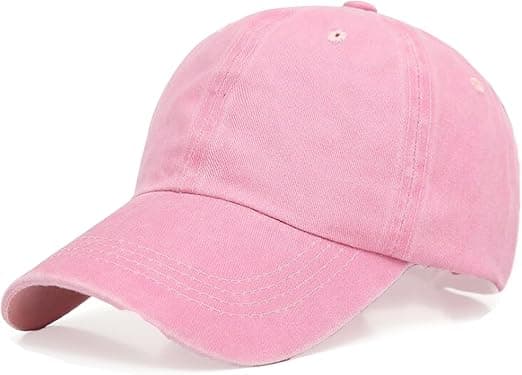
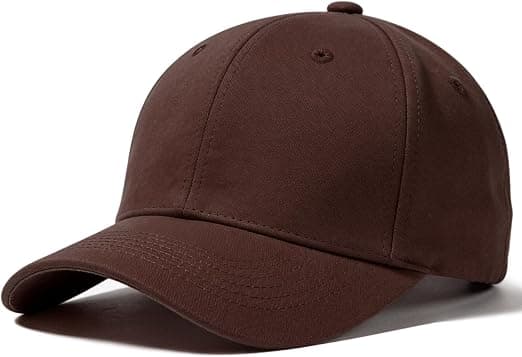
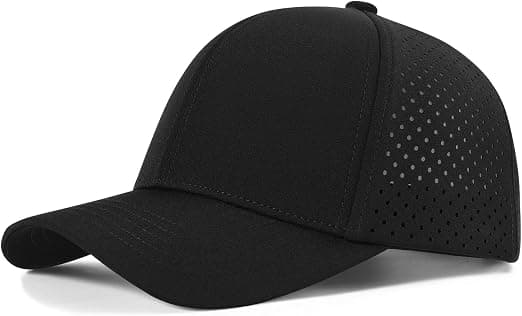
Both want a flat, even panel. Foam-fronted trucker caps are the easiest surface for either, five panel caps are good because there is no centre seam, and structured six panels are the hardest because the seam runs straight through the middle of the print area. Unstructured dad caps are printable but the soft crown makes consistent pressing harder across fifty pieces. If you are undecided on method overall, which printing method should you choose frames the decision across the whole catalogue, and our DTF printing service covers what the process handles.
Pick this when
- Pick DTF when the run is at or near fifty pieces, when the artwork has more than three colours, a gradient or a photographic element, or when you want the option to change the design between runs without new screens.
- Pick screen printing when the design is one or two flat colours, the quantity is in the hundreds, and you want the most opaque possible solid on a dark cap.
How long does each last on a cap?
Both are surface decoration, so both wear from the outside in, and both outlast a promotional cap comfortably. Over years of regular wear, a well-cured screen print tends to age by softening and thinning rather than failing outright, while a DTF transfer is most vulnerable at its edges, particularly on a cap that gets folded and stuffed into a bag daily. Neither is a match for embroidery on staff kit in weekly industrial laundry. For retail headwear, a shop-floor life of a season and a customer life of a couple of years, both are entirely adequate, and the decision goes back to colour count and quantity rather than durability.