Handing Out Caps to a Team
By The Velocity Wear Team
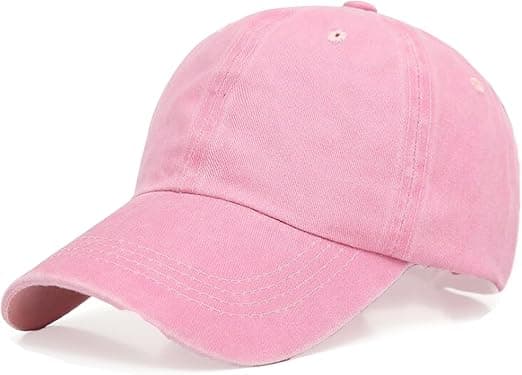
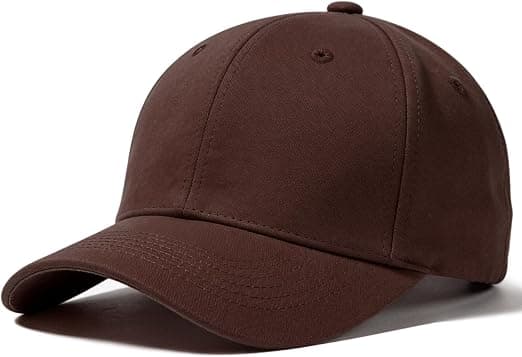
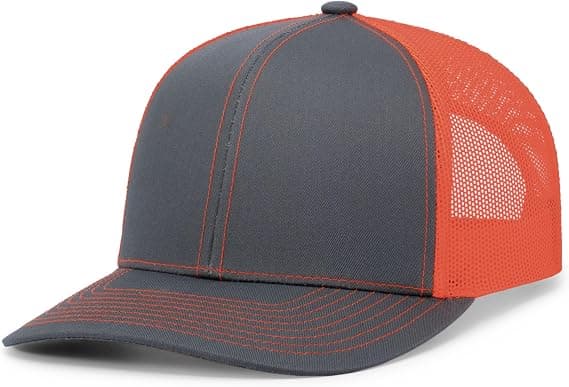
Caps are the easiest branded item to hand out, because adjustable closures remove the sizing round entirely. If you order snapbacks, truckers or strapback dad caps, you need a head count and nothing else. The planning effort moves instead to how the boxes are packed, who distributes them, and how many you hold back for the people who join after the order has shipped.
Do you need to collect head sizes at all?
For adjustable caps, no. A snapback with a plastic closure, a trucker with a snap back and a strapback dad cap all cover a wide range of head sizes on one unit, so a team of sixty is sixty caps and the question is answered. That is the main reason caps are the item people default to when a deadline is tight and a size survey would eat a week.
Fitted caps are the exception. Those come in set sizes and need the same treatment as any other sized garment: a survey, a fallback rule for non-responders, and a decision about what to do with the sizes nobody claimed. If you are choosing between the two, ask which closures are available on the blank you want on the wholesale caps page before you design the rest of the process around it.
How should a team cap order arrive?
Decide this while you are still quoting, because it is a packing instruction rather than an afterthought. The three options are bulk in boxes, bagged individually, or bagged and grouped per site. Bulk costs least and is fine for a single office where someone will hand them out from a table. Individual bagging costs more and pays for itself the moment caps have to go into pigeonholes or be posted.
If the team is spread across regions, splitting the delivery is usually better than shipping everything to head office and re-posting it. We deliver to the UK, USA and Europe, so ask for the split on the quote; adding it after the caps are boxed is a change to a finished job. The pricing page explains which parts of the cost are fixed and which move with the arrangement.
How many spares should you keep back?
Enough to cover joiners, losses and the one that ends up in a puddle on day three. Because the minimum is fifty per design, a team of forty is ordering fifty anyway and the spare count is decided for you. For larger teams, holding back a small reserve is far cheaper than a second run: a repeat order is another fifty pieces and another 10–15 working days from artwork approval.
Keep the reserve somewhere that is actually findable, with a note of the design and the order reference. Reordering the identical cap later is straightforward when the approved artwork is on file, which is the point made in can I reorder the same design later.
Who hands them out, and when?
One named person, on a date in the calendar. Cap orders that arrive without a handout plan sit in a store cupboard, and the longer they sit the more likely it is that the team changes shape before anyone wears one. Tie the distribution to something already happening — a shift briefing, an all-hands, the first day of an event build — and it takes ten minutes instead of three weeks of chasing.
Record who took one. Not for control, but because it tells you the real number for the next order, which is the single hardest figure to guess and the easiest to capture while you are already standing there with a box.
Agree up front where the spares will live afterwards. A labelled box in a known cupboard, with the order reference on the lid, turns a future request into a two-minute job. Caps stack small and do not crease, so storing them is easy compared with almost anything else you might hand out. What is not easy is finding them eighteen months later when nobody remembers who took delivery, which is how an organisation ends up ordering fifty more of a design it already owns a box of.