Colour Matching Bulk Caps
By The Velocity Wear Team
A cap can get close to a Pantone reference, not identical to it. Pantone describes ink on paper; a cap crown is dyed yarn woven into twill, and the two systems do not map onto each other exactly. Send the reference, expect a close match, and approve the result on a physical sample rather than on a screen.
How close can a cap match a Pantone?
Close enough that nobody notices side by side with your other items, which is the standard worth aiming at. Exactness is not available, because dye behaves differently on every fibre and the same recipe reads differently on cotton twill than on polyester. What you can control is the reference you send and the way the result is approved.
Send an actual Pantone number rather than a screenshot or a hex code. A hex value describes light coming out of a monitor and gives a dye house nothing solid to aim at. If you have a physical item in the target colour, sending that alongside the number is better still. The background to all of this is in colour matching in custom apparel.
Why does one colour look different on twill and mesh?
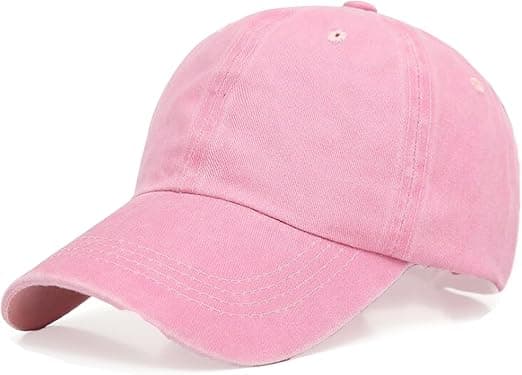
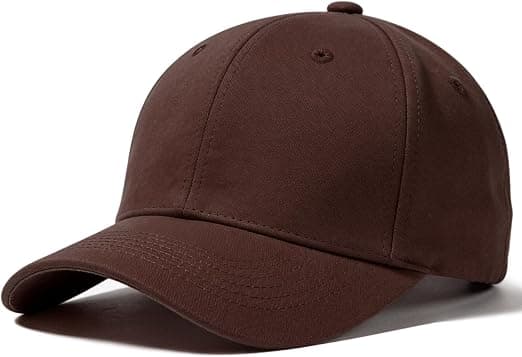
Because the surface changes what the light does. Woven twill has a tight face that reflects fairly evenly. Mesh is an open structure with shadow behind every hole, so the same dye reads darker and slightly duller. On a trucker with a twill front and a mesh back, an identical dye lot can look like two colours.
Thread does the same thing in reverse. Embroidery thread has a sheen that fabric does not, so a stitched logo in your brand colour sits brighter than a printed one on the same cap. That is normally an advantage, but it means a stitched mark and a printed mark on the same garment will never read as the exact same colour. The same problem across different garment types is covered in can two different garments match in colour.
What is batch variation, and how do you avoid it?
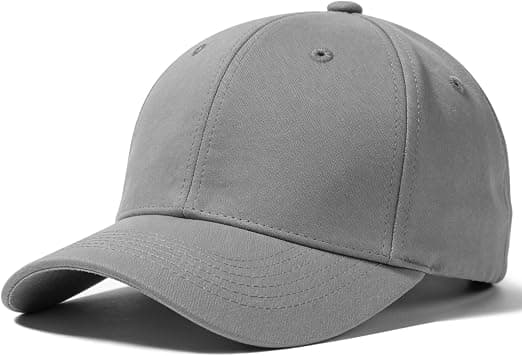
Dyeing happens in lots, and two lots of the same recipe can land marginally apart. Within a single order that is managed by dyeing the whole run together. Across orders placed months apart it is harder, which is why a reorder can arrive very slightly off the caps you already hold.
The defence is to order the full quantity in one run rather than splitting it, and to keep a reference cap from the first batch so any future run has something physical to match to. Ordering deeper also helps on price: the tiers run from 50 to 99 up to 1,000-plus with as much as 35% off the 50-piece price at the top, so consolidating a year of caps into one run saves money and removes the variation problem at the same time.
What should you approve before production starts?
The crown colour, the thread or ink colours, and the way they look together on the actual build. A sample is £150 and is credited against the bulk order, and colour is the single best reason to take one, because it is the element nobody can assess reliably from a rendering on a screen.
Approve it in daylight, not under office lighting, and approve it next to whatever else the cap has to sit with. Once you sign off, the run is dyed and stitched to that approval, and production takes 10 to 15 working days from that point. Specification and colourway options are set on the wholesale caps page, and if the terminology in a colour conversation is unfamiliar the glossary covers it.