Specifying Apparel for an Actual Canadian Winter
By The Velocity Wear Team
Most apparel specifications circulating online were written for temperate climates, and a Canadian brand applying them directly ends up with product that is fine for eight months and disappointing for the four that define the market. Cold-weather specification is a genuinely different discipline, and the customers here are unusually well qualified to judge it.
Weight is the start, not the answer
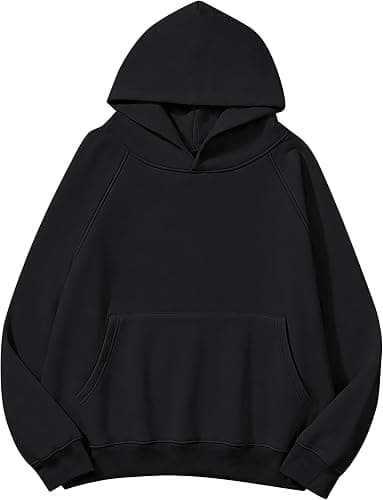
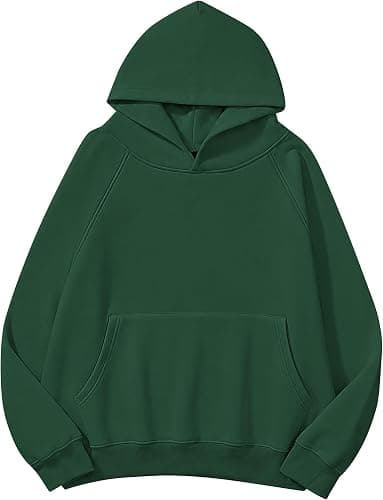
A 280 to 300 GSM fleece is a light hoodie. It is a shoulder-season garment in most of Canada and it will be judged as inadequate if sold as a winter piece. A 380 GSM fleece is a proper midweight. At 450 GSM you have a heavyweight that functions as genuine insulation under a shell.
But weight alone does not equal warmth. A dense, tightly knitted 380 can outperform a loose, open 450, because trapped air and wind resistance matter as much as mass. Ask about knit density and construction rather than treating GSM as a single measure of warmth.
Where cold gets in
Garments fail at their openings. Cuffs, hem, neck. A hoodie with slack rib at the wrists lets cold air in every time the arm moves, and no amount of fabric weight compensates for it.
So specify rib with real recovery and state the composition, because rib that goes slack after a month is the single most common failure in a cold-weather garment. A slightly longer body and sleeve than a standard block is also worth considering — the gap that appears when someone reaches up is exactly where cold arrives.
Design for layering
- A garment worn under a shell needs to fit under one. An oversized boxy hoodie is a lovely thing and it does not go under a fitted jacket, which limits when it can be worn.
- A garment worn over a base layer needs room without excess volume. Both directions matter and they pull against each other, which is why layering pieces are graded deliberately rather than scaled.
- Bulk at the shoulder and armhole is where layering fails first. That is a construction question, not a fabric one.
- Hoods that fit over nothing else are decorative. A hood cut to go over a beanie is a functional decision and Canadian customers notice it.
Decoration in the cold
Cold makes some print types brittle. A thick plastisol slab on a garment repeatedly flexed at low temperature is more prone to cracking than the same print in a mild climate, and it is worth knowing before specifying a large solid block on an outer layer.
Embroidery does not have that problem at all, which is one reason it dominates cold-weather branding — on caps, beanies, fleeces and outerwear it neither cracks nor fades, and on heavyweight fleece it reads as the more considered choice anyway. Tell your supplier the base is heavyweight fleece when you send artwork so the digitising accounts for the pile.
The seasonal ordering problem
Canadian apparel demand is sharply seasonal, and that concentrates risk. Stock that arrives in December for a winter line has a selling window measured in weeks; stock that arrives in February has effectively missed the year.
Build the calendar backwards. Production is 10 to 15 working days from artwork approval, freight and clearance sit on top, and the buffer between arrival and launch has to be real rather than notional. A brand that starts artwork in September for a winter line is comfortable; one that starts in October is gambling.
Test it in the conditions
Sample and then actually wear the sample outside, in the weather you are designing for, for longer than a photo shoot. That is where you learn that the cuffs are wrong or that the hood is decorative — and it is a much cheaper way to learn it than through a season of returns.