Ordering Kit for a Canadian Campus Club Without Wasting the Budget
By The Velocity Wear Team
Campus club kit follows the same script on every Canadian campus. A committee decides in November, collects money slowly, orders in January, and the hoodies arrive in March for a club with six weeks of term left. Almost all of that is fixable with a calendar and a closed size list.
Order when it has value, not when the debate ends
Club clothing is worth most early in the year, when people are deciding what to belong to. That means the order wants placing at the start of term rather than after four meetings about the colour.
Production is 10 to 15 working days from artwork approval, before freight and clearance. The genuinely unpredictable part is not manufacturing — it is how long a committee takes to collect sizes and money. Do that first and the rest of the schedule is arithmetic.
A closed list beats a forecast
The single biggest cause of leftover stock is ordering to a guessed distribution instead of a list of names. A form with sizes against names, closed on a stated date, converts the whole exercise from a forecast into an order.
Put flat measurements in the form rather than only letters, because a club is a broad population and "medium" means different things to different members. And actually close the form — a form left open indefinitely is why the order gets placed in January.
Personalisation solves two problems at once
A name, a number or a nickname on the back turns kit into a keepsake, which raises the proportion of members who buy. It also structurally eliminates unclaimed stock, because a garment with somebody's name on it gets collected.
A shared front design with individual backs is normal work rather than a special request. Have the spelling list checked by the people it names — a misspelled name is the one error nobody forgets or forgives.
Using the institution's name
Check with your students' union or the university before putting the institution's name, crest or wordmark on anything, particularly anything sold. Canadian universities generally protect their marks and many have a defined route for recognised clubs that is simpler than the alternative.
Your club's own name and identity is yours to use freely, and it is usually the better design anyway — it is the thing members actually feel part of, and it does not need anybody's permission.
Specifying kit that survives a Canadian year
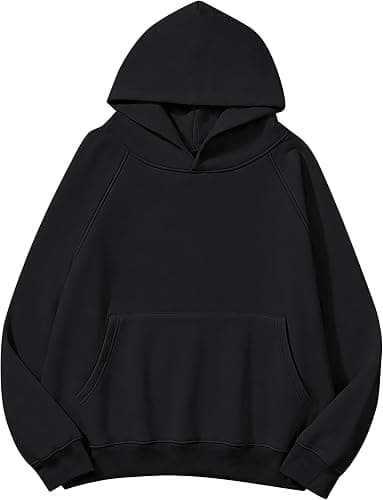
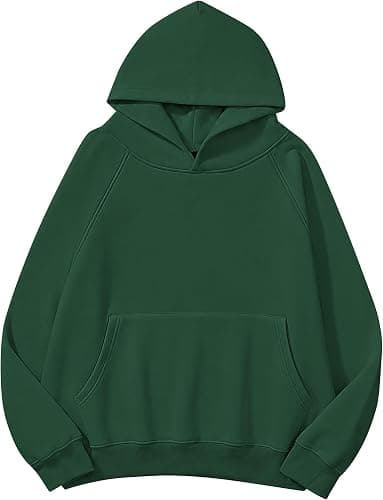
- A midweight fleece around 380 GSM is the sensible standard — light enough to be affordable for students, heavy enough to be worn through a real winter.
- Embroidery for a crest, print for large graphics and names. Embroidery survives careless laundering, which student kit will receive.
- Rib with genuine recovery at cuffs and hem, or the sleeves will be at the elbow by February.
- Darker colours, for entirely practical reasons.
- If your campus is in Quebec, remember that the language requirements reach hang tags and any accompanying materials as well as the garment label.
The money
Collect before ordering, not after delivery. A committee that fronts the cost spends the rest of the year chasing individuals, which sours a social organisation faster than anything else it can do.
And if the club needs funds, build a few dollars per garment into the price. Across a hundred members that is a meaningful contribution to a budget and everyone understands it.