Apparel for a Village Fete or Community Event
By The Velocity Wear Team
Need this made?Get pricing for this product— free, no obligation, 50 pieces minimum.
Set the date of the fete, then count backwards through tracked UK delivery of roughly 2-5 working days and production of around 10-15 working days from artwork approval for screen printing or embroidery, nearer 15-20 for sublimation and complex jobs. Production begins at artwork approval, not at order placement. Then plan for rain, because a community event in Britain is an outdoor event with an indoor contingency, and volunteer kit that only works in sunshine is kit that works some of the time.
Working Back From Fete Day
Community events tend to have a fixed calendar slot agreed months ahead, which gives you plenty of runway if you use it. Mark the day, subtract delivery, subtract production, and set the artwork approval date. Add a generous stretch before that for the committee, because a village fete committee meets monthly and design decisions taken at one meeting are often revisited at the next. If your approval date falls between meetings, give one named person authority to sign off, or you will lose four weeks to the calendar alone.
The Weather Contingency Nobody Budgets For
This is the specific trap of outdoor community events. You order handsome printed t-shirts for the volunteers, the morning turns grey, and by eleven o'clock every steward is wearing a waterproof over the top and nobody can tell who is running the tombola. The branding you paid for spends the day underneath a coat.
The fix is to decorate the outer layer rather than the base layer. A mid-weight hoodie or sweatshirt, or a printed gilet or softshell for stewards who will be outside all day, keeps identification visible whatever the sky does. If budget only stretches to one garment, choose the layer people will actually have on top. A tee is the wrong choice for anyone marshalling a car park in April, and a perfectly good choice for the cake stall inside the marquee.
Colour Coding Beats Printing Everyone The Same
A single design worn by ninety volunteers tells the public that these people are involved. It does not tell them who to ask about lost children, first aid or the raffle. Split the run by role using garment colour rather than separate artwork: one colour for stewards, another for the committee, another for first aid, and something visually loud for whoever holds the radio. The print stays identical, which keeps setup costs down, and you get a functional wayfinding system for free.
- Decorate the outer layer, not just the t-shirt, so branding survives the first shower.
- Use garment colour to separate roles and keep a single piece of artwork across the whole run.
- Leave the year off the design so unused kit carries forward to next year's fete.
- Give one named person authority to approve artwork between committee meetings.
- Order spares in middle sizes for the volunteers who turn up on the day unannounced.
Visibility Without Buying High Visibility
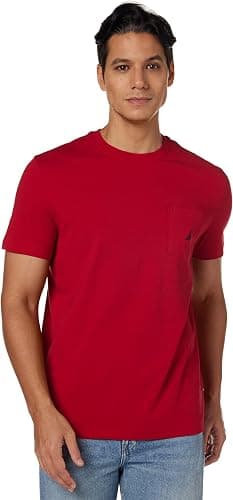
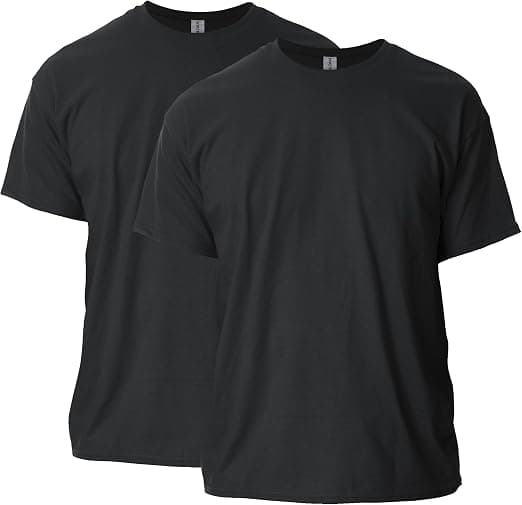
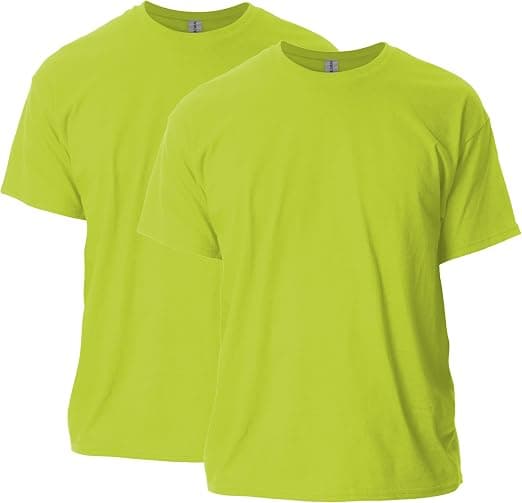
Anyone working near moving vehicles, a car park field or a road closure needs proper high visibility equipment, and that is a safety item to be sourced as such rather than a branding decision. For everyone else, a strong saturated colour does the job well. Bright yellow, orange and pillar box red read clearly across a field and photograph well for next year's publicity. Navy and black disappear into a crowd, which is precisely what you do not want from steward kit.
Design It To Last More Than One Year
A fete happens every year, and volunteer kit that names a specific year has a shelf life of one afternoon. Leave the date off. Design around the event name, the village, or a simple recurring motif, and you can reuse the same tops for several years, top up with a small annual order, and spend the saved money on something the public actually sees. If you genuinely want a dated souvenir item to sell on the day, make that a separate small run and keep the volunteer kit undated.
“"Volunteer kit that only reads in sunshine is decoration. Print the layer people put on when it turns."”
Fabric, Method And Minimums
For a bold one or two colour design across a decent quantity, screen printing gives the best value and a hard-wearing finish, with a setup cost per colour that rewards a simple palette. DTF suits a detailed or full-colour design on a smaller run with no per-colour setup. Embroidery is the right call for committee polos and anything you want to look considered, though fine detail and small text need simplifying to stitch cleanly. Velocity Wear works from a 50-piece minimum per order with sizes mixed freely, so stewards, committee, first aid and a handful of spares fit into a single run, and bulk discounts reach up to around 35% as the numbers climb. Preview the layout in the free Design Studio and check live pricing in the instant calculator before the next meeting.