Writing a Uniform Policy That Works in Practice
By The Velocity Wear Team
Need this made?Get pricing for this product— free, no obligation, 50 pieces minimum.
A workable uniform policy answers five questions in plain language: who gets what, how often it is replaced, what condition it has to be kept in, who is responsible for cleaning it, and what happens to it when someone leaves. Anything touching pay, deductions, contractual terms, protected characteristics or health and safety duties is an employment and legal matter, so draft the operational detail yourself and take proper HR or legal advice on those elements before you publish.
Who Gets What, by Role
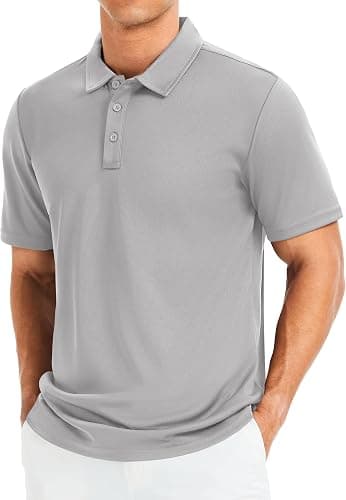
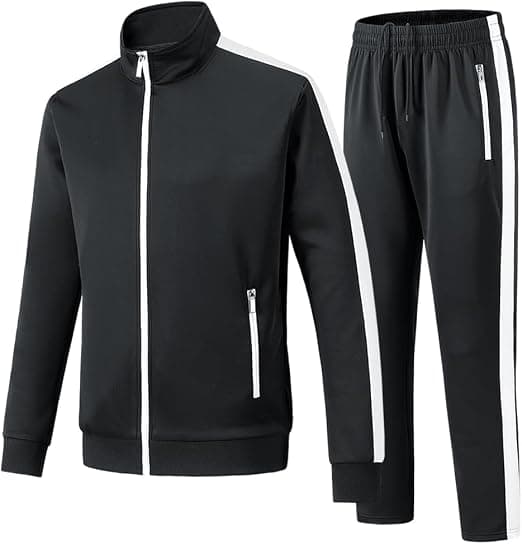
Start with a table of roles and the items each one receives. Be specific about quantities, because "polo shirts" invites the question that follows immediately. If different sites or seasons have different requirements, say so explicitly rather than leaving a manager to interpret. Entitlement written per role, rather than per person, keeps the policy from becoming a series of individual negotiations and makes it far easier to budget against.
State clearly which items are compulsory and which are optional. This distinction gets lost constantly, and once an optional fleece has spread through half a team it becomes an expectation nobody ever agreed to.
Replacement Frequency, Stated as a Number
The policy should say how often each item type is replaced in normal use. Without that, every request becomes a judgement and managers apply different standards, which is the main source of resentment about uniform in any organisation. Give each garment type its own interval rather than one blanket figure, since a daily-worn polo and a seasonal jacket do not wear out at the same rate.
Also say what happens outside the cycle: that items damaged in the course of work are replaced like for like, that loss is handled differently to damage, and how a request is made. Keep the process to one step if you can.
Condition and Presentation Expectations
Say what acceptable condition means before you need to enforce it. Reasonable policies cover visible damage, heavy staining, faded or misshapen garments, and whether alterations are permitted. Be honest that fair wear and tear is expected and not a fault, because a policy that reads as though staff are being blamed for a garment ageing will be ignored.
If the uniform must be worn in a particular combination, or with items not supplied by the organisation such as footwear or trousers, spell that out along with any standard those items must meet. Vague expectations about non-supplied items are one of the most common causes of a team looking inconsistent.
The Clauses Most Policies Are Missing
Beyond the obvious sections, a few specifics prevent most of the recurring queries.
- Whether branded items may be worn outside work, which matters because a company mark travels wherever the garment does.
- Who launders the uniform and to what standard, particularly where garments are industrially washed or a technical fabric has specific care requirements.
- How someone requests a different size after issue, and whether there is a window for that.
- What happens during pregnancy, injury, or any period where standard sizing or garments are unsuitable, and who to speak to about it.
- Whether personalised items with a name are treated differently, since they cannot be reissued to anyone else.
“"Every clause a uniform policy leaves out becomes a decision a line manager has to make alone, differently, on a Tuesday."”
Returns When Someone Leaves
State which items are expected back and which are the individual's to keep. In practice, embroidered or printed garments carrying the organisation's mark are the ones worth recovering, and plain items rarely justify the administration. Say how and when they should be returned, and to whom. Whether any cost can be recovered, or whether anything can be deducted from final pay, is squarely an employment-law question and depends on contractual terms, so set out the operational expectation in the policy and take proper advice on the rest before including any wording about money.
Write It Short and Put the Table First
Long policies are not read. Lead with the entitlement table and the replacement intervals, because that is what nine out of ten readers came for, and put the explanatory sections underneath. Use plain wording rather than formal phrasing, name the person or role to contact rather than a generic inbox, and date the version. A two-page document people actually read beats a comprehensive one that lives unopened on an intranet.
Tie the Policy to a Written Specification
The policy says what people get. A separate specification sheet says exactly what that item is: garment code, colour name, decoration method, thread or ink references, logo size in millimetres, and placement measured from the high point of the shoulder, with the approved proof attached. Keeping those two documents linked is what stops a replacement garment arriving in a slightly different shade eighteen months later. Embroidery is the usual choice for uniform because it survives repeated laundering well, though it needs fine detail and small text simplified, and that simplified version should be recorded once rather than re-decided at every reorder.
Review It Annually Against What Actually Happened
Once a year, compare the policy against the replacements you actually issued and the queries you actually received. If a garment consistently fails before its stated interval, change the interval or change the garment. If the same question keeps arriving, the answer belongs in the document. Ordering is easier to plan around a policy that reflects reality, and consolidating replacements into two windows a year rather than a constant trickle keeps the cost per garment down, given bulk discounts reach up to around 35% as quantities rise and production starts at artwork approval rather than order placement.