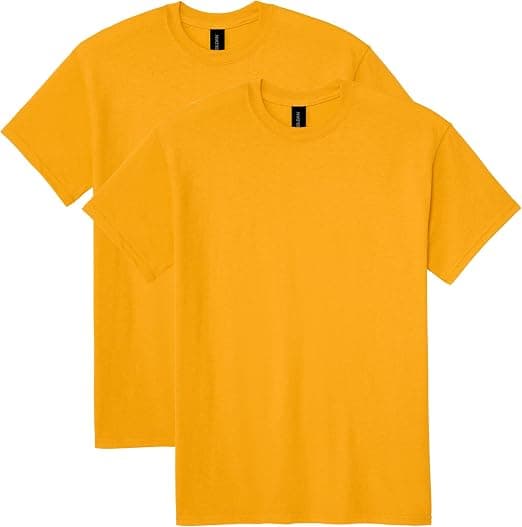
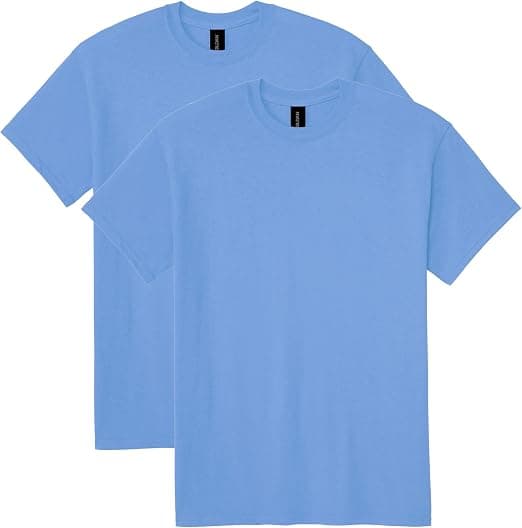
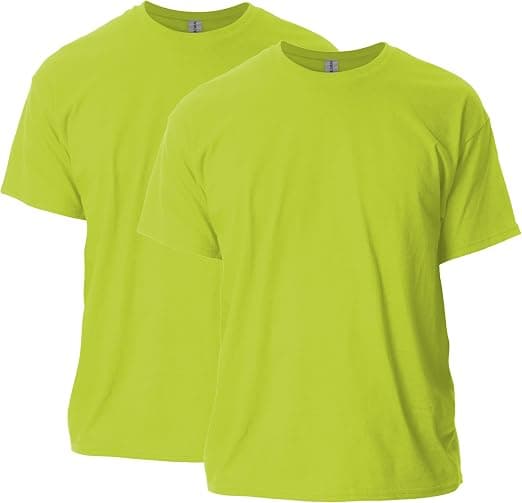
Why Is My Second Order a Different Shade?
By The Velocity Wear Team
Need this made?Get pricing for this product— free, no obligation, 50 pieces minimum.
Because fabric is dyed in batches, and each batch varies slightly. Two garments with the same style code and the same colour name can be a shade apart if they came from different production runs, and no supplier can guarantee an exact match across separate orders. It is normal in apparel manufacturing, more visible on some colours than others, and the only reliable way around it is to order the whole requirement in one run.
What a Dye Lot Actually Is
A mill dyes fabric in a vessel, in a quantity, on a day. Water chemistry, dye concentration, temperature, time in the bath and how the fabric behaves in the machine all move a little between runs, and the finished cloth moves with them. Manufacturers work to tolerances, and good ones hold those tolerances tightly, but a tolerance is not a guarantee of identity. The garment sold as navy in March and the garment sold as navy in October are made to the same target. They are not made from the same cloth.
The Colours That Give You Away
Some colours hide variation and some advertise it. Heather and marl shades are the worst offenders, because they are built from a blend of dyed and undyed fibres and the ratio itself can drift, which is why grey marl is the classic complaint. Mid-tones such as navy, bottle green and burgundy show a difference readily because there is nothing extreme about them to distract the eye. Black is more forgiving but can lean warm or cool between batches, and white is not immune either, because optical brighteners in the finish affect how bright it reads.
The Thing Nobody Warns You About: Light
Two garments can match under one light source and separate under another. This is metamerism, and it is the reason a pair of polos look identical in the stockroom and visibly different once your team is standing outside in daylight. If you are checking a reorder against existing stock, take both garments to a window and look at them in natural light before you decide anything. A judgement made under a warehouse fitting or a phone camera is not a judgement.
Ink and Thread Vary Too
The garment is only half the story. Screen printing inks are mixed for a job, and a mix made twice is two mixes. Embroidery thread is chosen from a shade card rather than matched to a printed colour standard, so the closest available thread to your brand colour is closest, not exact. Even the same thread on two different fabrics reads differently, because a brushed fleece scatters light and a smooth polo reflects it. None of this is a fault. It is what happens when a colour has to survive being made out of physical materials by more than one process.
How to Limit It
There is one genuinely effective mitigation and several partial ones. The effective one is to order everything you need at once, including your spares, so the whole population comes from a single production run. Everything else reduces the pain rather than removing it.
- Order the full requirement in one run, spares included, rather than topping up every few months.
- Keep one garment sealed and unwashed as a physical reference, stored out of sunlight so it does not fade into disagreement with itself.
- Record the exact style code, colour name and supplier, not just the words navy polo, so a reorder starts from the same product.
- Issue new stock as a cohort rather than dropping one new garment into a line-up of older ones, where the contrast is most obvious.
- Choose deep, established core colours over seasonal fashion shades if you expect to reorder for years.
“"Colour consistency is not a promise a supplier can make. It is a decision the buyer makes on the day they choose to order once instead of four times."”
When It Genuinely Matters and When It Does Not
Be honest with yourself about the stakes. For a merch drop, a society hoodie or an event tee, a batch difference between this year and last year is invisible because nobody is standing them next to each other. For customer-facing uniform, where five people are lined up behind a counter under the same lights, it is the first thing anyone notices. Spend the planning effort on the second case and stop worrying about the first.
What We Will and Will Not Promise
We can order the same style in the same colour and we can tell you what we are ordering. We cannot promise that a run placed in six months will come from the same dye lot as one placed today, and any supplier who does promise that either holds stock exclusively for you or is hoping you will not check. Say up front if colour match across orders is critical, because it changes the advice: it usually means buying more in one go, and it may mean choosing a different garment range with deeper stock behind it.
Planning a Single Consolidated Run
The minimum is fifty pieces per order with sizes mixed freely, and bulk discounts reach up to around 35% as quantities rise, so ordering a year of requirement at once is usually cheaper per piece as well as more consistent. The free instant price calculator shows what the larger quantity does to your cost before you commit, which makes the argument for one order instead of four fairly easy to put to whoever signs it off.