Why Fabric Pills, and What Actually Reduces It
By The Velocity Wear Team
Need this made?Get pricing for this product— free, no obligation, 50 pieces minimum.
Pilling happens when short fibre ends work their way to the surface of a fabric, tangle into little balls under friction, and then stay attached. It is caused by abrasion, so it appears exactly where garments rub: under the arms, along the sleeves, where a rucksack strap sits, and across the brushed inside face of hoodie fleece. Fibre length, yarn twist, knit density and finishing decide how bad it gets.
The Mechanism, Step by Step
It happens in three stages. First, friction pulls short fibre ends out of the yarn, raising a fuzz. Second, continued rubbing tangles that fuzz into a small dense ball, anchored to the fabric by a few fibres. Third, and this is the stage that decides everything, either those anchoring fibres break and the pill falls off, or they hold and the pill stays.
That third stage explains the single most misunderstood thing about pilling. Pure cotton pills readily, but cotton fibres are relatively weak, so the anchors snap and the pills shed in the wash. Polyester is strong. In a cotton-polyester blend the polyester fibres act as tiny cables holding each pill firmly in place, so the fabric accumulates pills instead of shedding them. The blend that makes a hoodie tougher and more shrink-resistant is exactly the blend that makes pilling visible.
Why Hoodies Show It First
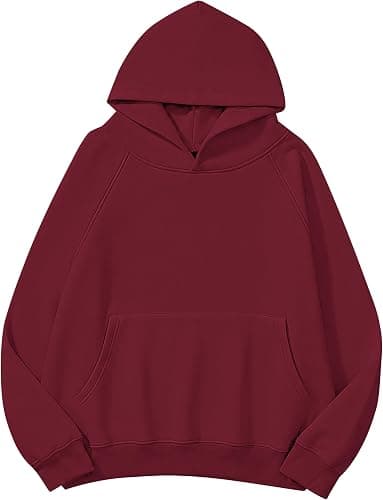
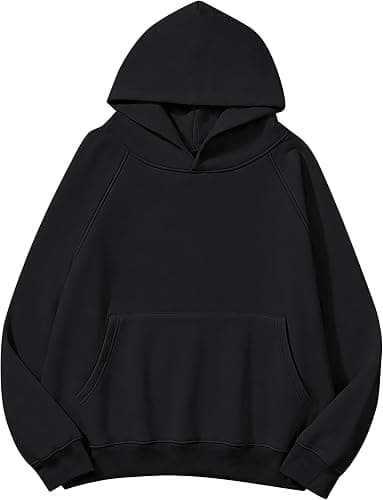
Brushed-back fleece is, by construction, a surface of deliberately loosened fibre. The back of the fabric is knitted with an extra yarn and then mechanically brushed to raise a soft nap. That nap is what makes a hoodie feel good and it is also a ready supply of loose fibre ends waiting to tangle. The inside of the cuffs and the area under the arms go first, followed by wherever a bag or a car seat rubs.
French terry, with its unbrushed loop back, pills noticeably less for the same reason. If you want a sweatshirt that still looks tidy at the end of a year and you can live without the fluffy interior, loop-back terry is a genuinely sensible choice that few buyers consider.
What Actually Reduces It
Five factors do most of the work, and they are all specified at the fabric stage rather than fixed afterwards.
- Longer staple and combed fibre, because fewer short fibre ends are available to migrate out of the yarn in the first place.
- Higher yarn twist, which grips the fibres more tightly so friction has to work harder to pull them free.
- Denser knit construction, since a tight fabric gives fibre ends less room to move to the surface.
- Singeing and enzyme or bio-polish finishing, which burn off or digest the existing surface fuzz before the garment ever reaches a customer.
- A heavier, better-constructed fleece back, because a thin sparse nap frays into pills faster than a substantial one.
The Blend Trade-off, Honestly
An 80/20 cotton-polyester fleece is the classic hoodie construction, and it is popular for good reasons: it costs less than pure cotton, it shrinks less, it dries faster and it holds its shape. It will pill more visibly than a 100% cotton fleece over time.
A 100% cotton fleece sheds its pills rather than keeping them, feels better in the hand and looks better after a year of wear. It also costs more, shrinks more, takes longer to dry and is heavier when wet. Neither answer is wrong. The choice depends on whether the garment is a piece of merch somebody will wear by choice for years, or team kit that has to survive a lot of washing and be replaced periodically. Say which one you are buying and the fabric decision makes itself.
“"Pilling is not a fault in the garment. It is a record of everything the garment has rubbed against."”
Care Matters More Than People Admit
Pilling is caused by friction, and the washing machine is the most concentrated source of friction a garment ever meets. Wash hoodies inside out, which puts the abrasion on the outer face rather than the brushed nap. Wash cool and on a gentle cycle. Do not fill the drum to bursting, because a crammed load rubs against itself far more than a half-empty one.
Keep fleece away from towels, denim and anything with Velcro, all of which are abrasive companions. Tumble drying adds heat, friction and static, all three of which encourage fibre migration, so line drying is worth the inconvenience on a garment you care about. None of this is glamorous advice, but it makes a bigger difference across a year than the difference between two similar fabrics.
Dealing With Pills Once They Appear
Use a proper fabric shaver, the battery-operated kind with a guarded blade, and do it early rather than waiting until the sleeves are covered. A disposable razor works in an emergency but it is easy to catch the fabric and cut a hole, especially over a seam. Sweater combs are gentler and slower. Whatever you use, work on a flat surface and never on a garment you are wearing.
What to Ask a Supplier
Ask whether the fleece has an anti-pill or bio-polish finish, whether the yarn is combed or carded, and what the blend ratio actually is rather than the marketing description of it. If pilling has burned you before, ask for a sample and wash it half a dozen times with a normal mixed load before you commit. With Velocity Wear's 50-piece minimum per order and sizes mixed freely across the run, testing a spec at small scale before scaling up is straightforward, and the instant price calculator will show how the fabric choice changes your cost at volume.