Bulk Tracksuits for Events: A Buyer's Guide
By The Velocity Wear Team
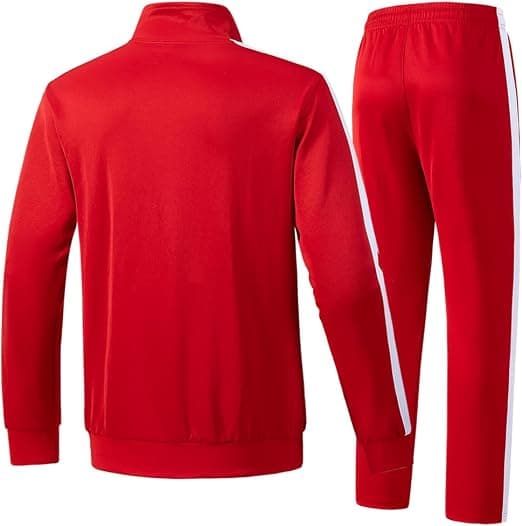
For an event, work backwards from the date. Production runs 10-15 working days after artwork approval, plus transit, so a tracksuit order wants placing at least six weeks out. Sets begin at $53 for a hooded top and matching jogger at the minimum of 50, and crew kit and sale merch are usually two separate runs of fifty.
Should crew kit and merch be the same design?
Keep them apart. Crew need to be identifiable from thirty metres, which usually means a big back print and a role word. Merch needs to be something a punter would wear on a Tuesday, which usually means the opposite. Our events and festivals page covers the wider kit list, and custom printing for events and merch goes through what sells at a stall and what does not.
Two designs means two lots of fifty. That is the trade-off worth deciding early, because a committee that tries to merge them ends up with crew wearing the retail design and a stall selling something with STAFF across the shoulders.
How late can the order go in?
Production is 10-15 working days from approved artwork. Approval is the line that matters, not the day you email the file, and that is where most event orders lose a week. Send print-ready vector or high-resolution artwork the first time and the clock starts immediately. There is more on the timeline in how long bulk tracksuits take to make.
Build in a buffer beyond the quoted window for delivery transit and for the day the kit has to be on site rather than in a van. A date that cannot move deserves a week of slack you never use.
What does a fifty-set event run cost?
Fifty sets at $53 is the entry point, and the price falls as the count rises through the tiers of 50-99, 100-249, 250-499, 500-999 and 1,000 or more, down by as much as 35% from the fifty-set figure at the top end. Crew numbers rarely reach the upper tiers, but a merch run for a multi-day festival often does. Sizes and options are listed on the wholesale tracksuits page.
For a merch run, price the set for sale on the margin you need rather than on a round number. A co-ord is two garments, and buyers treat it as two garments when they compare it with a single hoodie on the next stall.
What size split works for a crew of volunteers?
Collect sizes through the same form you use for shift allocation and you will get a real curve instead of a guess. Crew sets get worn over other layers in the cold and under a tabard in the sun, so a slightly generous spread towards the larger end costs you nothing and saves the Saturday morning scramble.
Leftovers are not waste if the design avoids the year. Drop the date from the artwork and unsold merch sells at the next event instead of sitting in a garage.
What else should go in the same order?
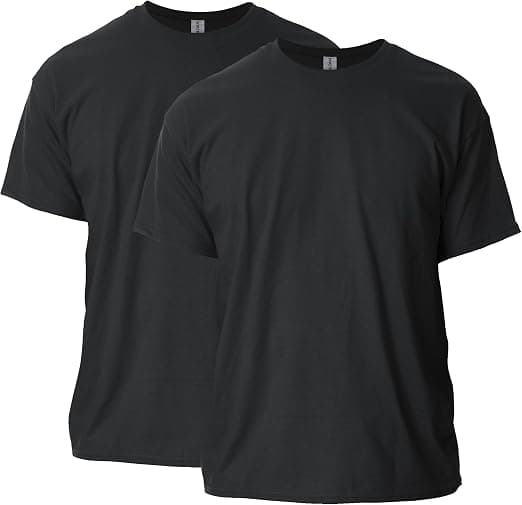
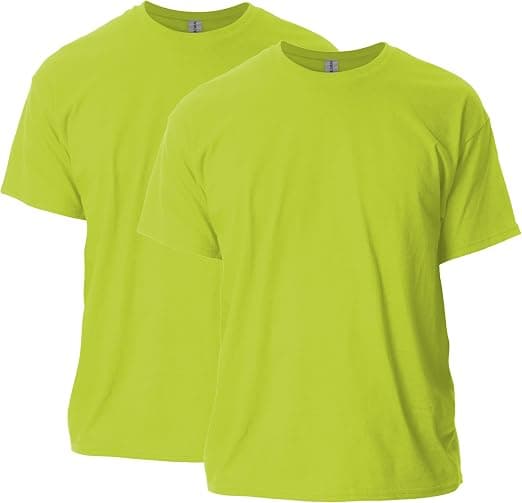
Tracksuits rarely travel alone to an event. Crew tees from $13 cover the warm afternoons when nobody wants a hooded top, and caps from $12 do the sun job that a hood cannot. Ordering them against the same artwork approval means one sign-off and one delivery rather than three of each.
For a stall, packaging matters more than organisers expect. Polythene bags are quoted per job and keep a sold set clean between the table and the tent, which stops a full-price purchase arriving home covered in field. Swing tags do the same job for perceived value.
Each additional product carries its own minimum of 50 for its own design, so a kit list of four items is four runs of fifty. Plan the list at the start rather than adding to it a week before the gates open.