How Long Do Bulk Tracksuits Take to Make?
By The Velocity Wear Team
Bulk tracksuits take 10-15 working days to produce from the moment artwork is approved, with delivery transit on top. The clock does not start when you place the order or when you email a file; it starts when the artwork is signed off. That single distinction is where most late deliveries are actually created.
What happens during those ten to fifteen days?
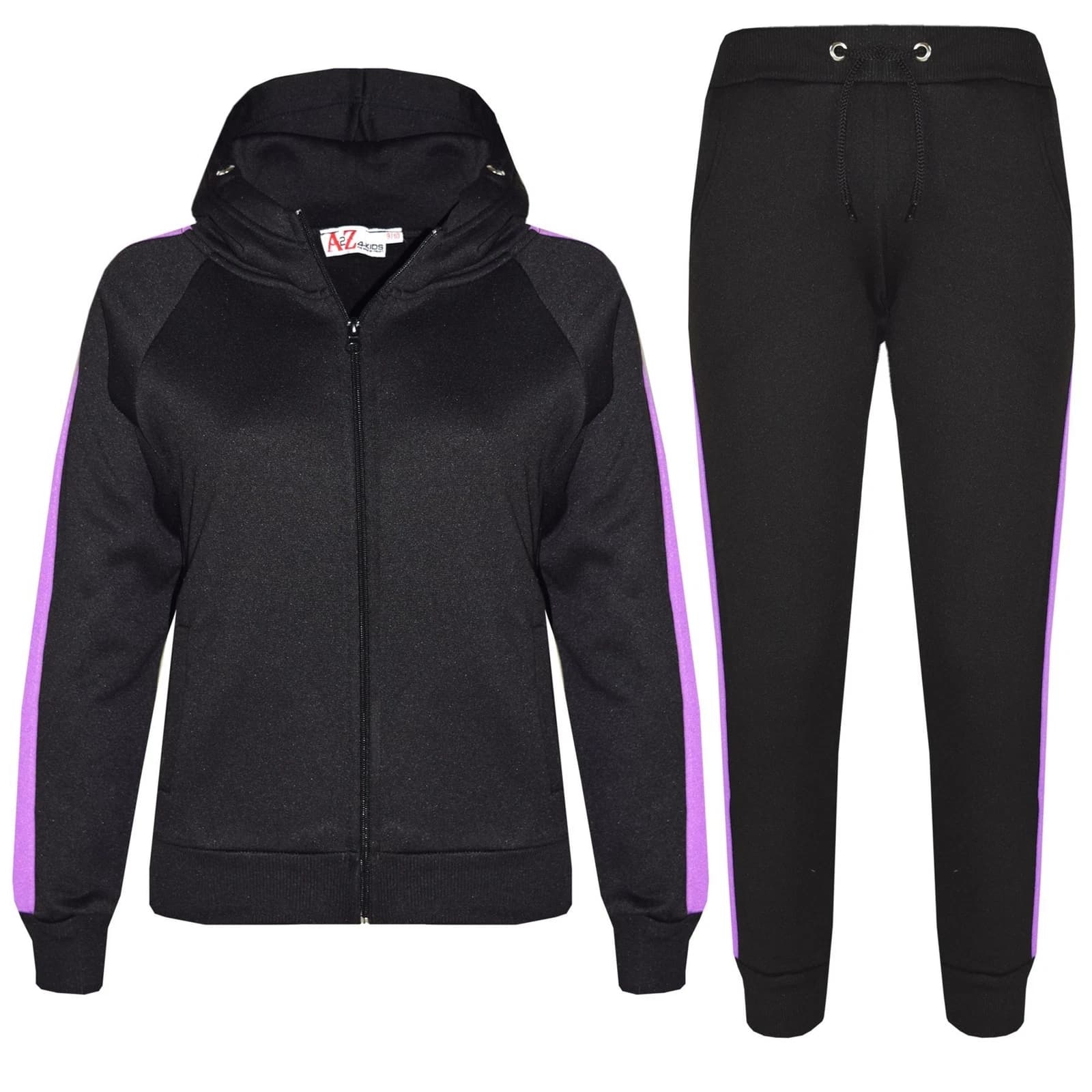
Fabric is allocated and cut to your size split, the two halves of the set are made to match, decoration is set up and applied, labelling is fitted, and the sets are checked and packed. A co-ord takes the same window as a single garment because the two pieces move through together rather than being made separately and paired at the end.
Working days means working days. A fortnight of production across a bank holiday weekend is longer on a calendar than it looks on a quote. Specifications and options are on the wholesale tracksuits page.
What should be added in front of the window?
Everything that happens before approval: gathering the artwork, agreeing the colour, getting a committee or a client to say yes, and deciding the size split. That phase has no fixed length and routinely takes longer than production does. If a physical check is needed, add the time to make and ship a £150 sample, credited against the bulk order, and the time you will spend looking at it.
Then add transit to the UK, the USA or Europe behind it. Planning apparel lead times so you never air freight sets out where to put the buffer so it is available when something moves.
Can the production window be shortened?
Not usefully, and that is a good thing rather than a limitation. The steps that take the time are the ones that make the set match, hold its colour and survive washing. What genuinely compresses is the approval phase in front of it, which is under your control. Apparel production lead times explained breaks down which stages are fixed and which are not.
The pragmatic move for a fixed date is to place the order earlier and accept storing the boxes for a fortnight. Warehouse space is cheaper than a missed launch.
How does a reorder compare?
A repeat of an existing design skips most of the approval phase, because the artwork and specification are already held. Production still runs 10-15 working days, so plan a restock around that window rather than around the day the stock runs out. The pricing page shows which tier a repeat run lands in, since each run is priced on its own quantity.
What does the delivery leg add?
Transit depends on where the boxes are going. We deliver to the UK, the USA and Europe, and a domestic leg behaves very differently from a cross-border one, so ask for the delivery estimate alongside the production quote rather than assuming they are the same number.
The other half is receiving. A business address with someone present takes a pallet without drama; a venue, a site office or a home address may not. Deciding the delivery point at order stage avoids a delivery attempt that fails on the day it matters.
Where a launch date is genuinely immovable, aim to have stock in hand a clear week early. That week is not padding, it is the difference between a problem you can solve and one you can only apologise for.
Put the milestones in whatever system your team actually uses, with artwork approval as a dated task owned by a named person. Most schedules that slip do not slip during production at all; they slip in the fortnight when everybody assumed the file had already been sent.