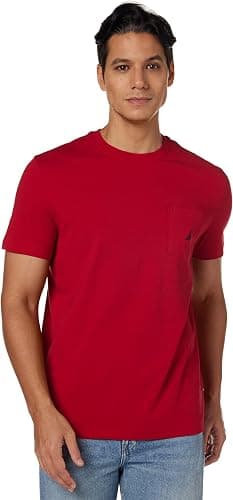
Wholesale T-Shirts for Salons
By The Velocity Wear Team
Salon and barber t-shirts start at $13 a piece from 50 pieces per design. The specification is driven by one thing: colour products. Bleach, tint and developer mark uniform permanently, and no fabric choice prevents that. What you can control is how visible the damage is and how cheaply a marked shirt is replaced, which points towards dark shades and a sensible replacement float.
Which colours survive a colour room?
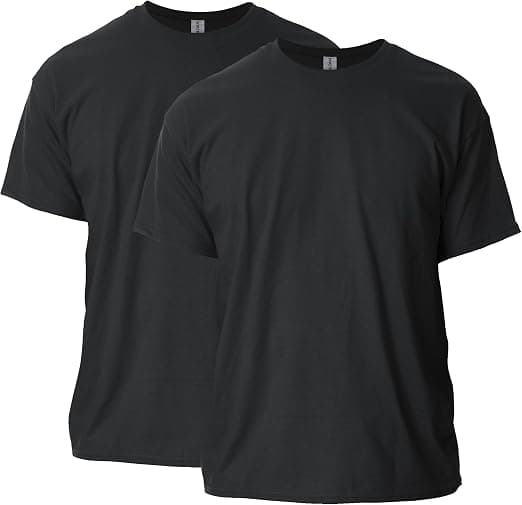
Black and very dark shades, with a caveat. Bleach lifts colour out of dyed cotton, so a splash on black eventually shows as an orange or pale mark rather than disappearing. What dark colours do far better is hide tint, developer residue and the general grime of a busy day, which is what actually makes a pale uniform look tired within weeks. White is the worst option in a colour salon and the most commonly chosen one. A dark mid-weight combed ring-spun cotton, somewhere between 180 and 240 GSM, is the practical default: heavy enough to hold its shape through frequent washing, dark enough to stay presentable.
How many shirts per stylist?
Treat uniform as consumable rather than permanent. A shirt in a colour salon has a working life measured in months, not years, and staff need enough that nothing is being washed overnight. Three or four per person plus an unallocated float in the common sizes is a reasonable starting point. Order that float in the same run: a top-up later carries its own 50-piece minimum, whereas building the spares into the original order also pushes you further down the quantity bands, where the per-piece price falls by up to 35% from the 50-piece figure.
Print or embroidery on salon uniform?
Embroidery holds up better under a hard wash routine and reads as more finished on a dark shirt, which suits a salon where the uniform is part of the room's presentation. It is priced on stitch count, so a compact chest logo is inexpensive and a dense back design is not. Screen printing is the economical option for a larger graphic or a bigger order, and DTF handles multi-colour artwork without a per-colour setup. Barbers often run a larger back print with the shop name, which prints far better than it stitches. The same logic shapes hospitality uniform, covered in how restaurants buy t-shirts wholesale.
What else should go on the order?
Towels, if you use branded ones — they are quoted per job rather than carrying a from-price, and putting them on the same order keeps one delivery and one invoice. Aprons and polos sit alongside the tees too. The garment base makes more difference to how a uniform ages than most buyers expect, which is the subject of the best blank t-shirt brands compared. Current tee weights and from-prices are on the wholesale t-shirts page, and the salons and barbers page covers the full kit list.
Should apprentices and senior stylists wear the same shirt?
Most salons say yes and are right to. Running two designs means two orders of 50 and splits your quantity across the lower price bands, which costs real money for a distinction that customers rarely notice. If you do want to separate roles, do it with something that is not a second garment order: a different apron, a name badge, or a role line added to the swing area of the same design so the shirt itself stays one job. Barbers sometimes take the opposite view and put the shop name large on the back of every shirt regardless of role, which reads well in a small room and keeps the order simple.
Sizing is worth a moment too. Salon teams change more often than office teams, so order a float in the two or three sizes that turn over fastest rather than one of everything. Sizes mix freely inside the 50-piece minimum at no additional cost, so the only thing a wide curve costs you is the shirts that sit unclaimed at the back of the stock cupboard.