Bulk T-Shirts for Clothing Brands: A Buyer's Guide
By The Velocity Wear Team
Clothing brands order t-shirts from 50 pieces per design, from $13 each. What separates a brand order from a printed blank is private label: custom woven neck labels, tear-out labels, swing tags and packaging, all specified by you. Those elements are what let the garment sell as yours rather than as a decorated stock tee, and they need deciding before the first sample.
What does private label actually cover?
Four things, each a separate line on the order. A woven neck label replaces the manufacturer's branding with yours and is the single biggest signal that a garment is a brand product. A tear-out label does the same job in a format the customer can remove, which suits a softer neck on a lightweight tee. Swing tags carry the price, the sizing and whatever story the brand tells at the point of sale. Packaging covers how the garment arrives, which for a direct-to-consumer brand is part of the product. Specify all four at the same time as the garment, because label production runs separately from decoration and is the element most often left until it is too late.
How should a first drop be sized?
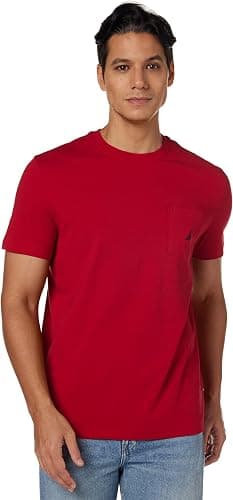
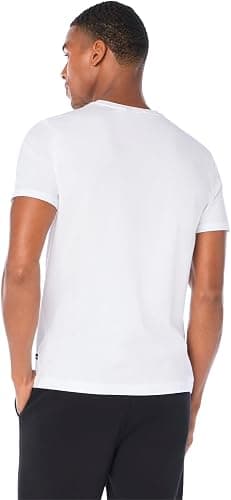
At 50 pieces per design you are testing, not stocking, and that is the right way to treat it. Pick one garment specification — a weight from the 150 to 240 GSM combed ring-spun cotton range, one fit, one colour — and put the whole 50 behind it. Resist the urge to launch four colourways, since each colourway that needs its own screens is a separate order of 50 and you would be committing 200 pieces to a market you have not tested. Weight the size curve to the middle, keep the tails short, and treat sell-through as the data that shapes drop two. The fit decision matters more than most founders expect, and boxy t-shirts and the streetwear fit covers the measurements behind it.
How do you plan repeat drops?
Two things drive it: price and consistency. The per-piece price falls as quantity rises, up to 35% off the 50-piece figure at the top tier, so a brand that consolidates a season into one run pays less than one that reorders monthly. Consistency is the other half — fabric is dyed in batches, so a restock of the same colour can land a shade off. Keep the approved sample as your physical match reference and send it back with the repeat order. A £150 sample, credited against the bulk order, is worth ordering for every new garment specification you introduce.
When should the production order go in?
How does the unit cost shape the retail price?
Build the landed figure before you set a price, not after. The garment from-price is only the first component: add decoration, the private label elements, packaging, delivery to you, and then whatever it costs to get the shirt to a customer. At 50 pieces that landed number is at its highest, because the from-price sits in the entry quantity band and the fixed costs of setup are spread across the smallest possible run. A brand that prices a first drop against the per-piece cost of a 500-piece run will find the margin is not there.
The honest way to handle it is to accept that the first 50 are a market test carrying a thinner margin, and to price the second run on real volume once you know the design sells. That is also the point at which the discount ladder starts to work for you, since the per-piece price falls as quantity rises by up to 35% from the 50-piece figure.
Production takes 10 to 15 working days from artwork approval, plus transit, and label production sits alongside it. For a dated release, count back from the launch through delivery, production, sampling and your own approval loop. Retail calendars compress that further, and the trade-offs around discounting a young brand's stock are set out in Black Friday for small clothing brands. Weights, fits and current from-prices are on the wholesale t-shirts page, and the clothing brands page covers private label across the wider range.