T-Shirts for Bands, Ordered Properly
By The Velocity Wear Team
Band t-shirts run from 50 pieces per design, from $13 each, sizes mixed freely inside that 50. A merch table is a retail business with one opening night, so the decisions that matter are how many designs you carry, how you weight the sizes, and whether the run is deep enough to hold a margin without leaving boxes in a van at the end of the tour.
One design or several?
Fewer than instinct suggests. Every design carries its own 50-piece minimum and its own setup, so three designs means a commitment of 150 pieces spread across three shallow runs, all priced in the lowest quantity band. One strong design ordered at 150 sits in a better band and costs less per shirt, and in practice a merch table with one great shirt often takes more money than one with three competing ones. Save the second design for a tour-exclusive or a limited run you can genuinely justify — the wholesale t-shirts page lists the weights and current from-prices to cost it out.
How do you weight the sizes for a crowd?
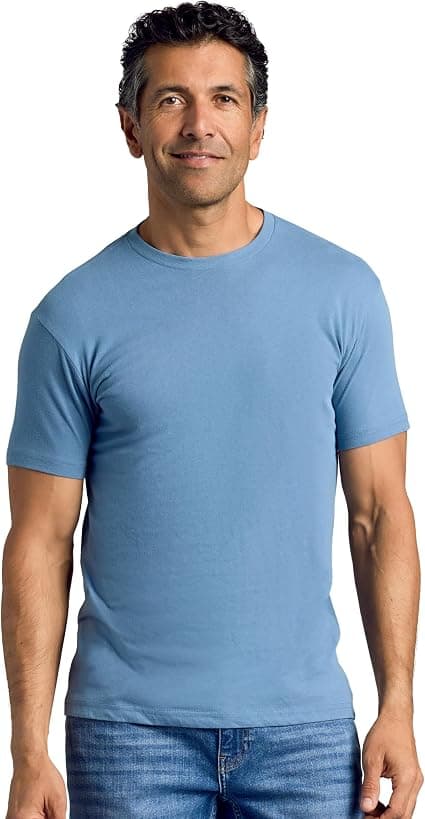
A gig audience buys off a table with no returns, so the curve has to match who is standing in front of it. Weight the middle sizes heavily, keep the smallest and largest short, and remember that an audience is not a general population — the shape shifts by genre and by room. If the fit is boxy, the curve compresses further, since a boxy cut fits a wider range of people in fewer sizes, and that also makes it a safer bet for merch than a slim regular fit. The fit itself is worth deliberate thought, and boxy t-shirts and the streetwear fit goes into the measurements.
What makes a shirt sell at the table?
Print size and contrast, mostly. A large front graphic reads from three metres away in bad lighting; a small chest mark does not, and nobody is browsing carefully in a queue between sets. Screen printing suits bold solid artwork and gets cheaper as the run grows, since the setup per colour spreads further. DTF is the answer where the artwork is photographic or has too many colours for screens to be economic. Combed ring-spun cotton between 150 and 240 GSM covers the range: lighter for a summer festival run, heavier where the shirt is being sold as a keepsake at a higher price.
When should the order be placed?
Production is 10 to 15 working days from artwork approval, plus delivery, and a tour date does not move. Work backwards from the first show with enough float that a revision does not sink the schedule, and get the artwork finalised before the rehearsal weeks eat the calendar. The specifics of running merch across a UK tour are covered in band merch for UK tours, and the bands and music page covers hoodies and the rest of a merch list.
Ship to a fixed address with somebody who can sign for the boxes, not to the first venue. Venue receiving is unreliable and a delivery that misses a load-in window can sit locked in an office until after the show.
Is it worth ordering a sample first?
For a band planning more than one run, yes. The sample is £150 and that amount is credited against the bulk order, so on any tour that proceeds it is a deposit rather than an extra cost. What it buys you is certainty on the things a mockup cannot show: how the ink sits on the fabric, whether a dark garment needs a heavier ink lay to stay opaque, and how the shirt looks folded on a table rather than flat on a screen. Keep the approved garment afterwards. It becomes the physical reference for the next run, which matters because fabric is dyed in batches and a repeat can land a shade off the original.