What Is the Difference Between a Hoodie and a Hoody?
By The Velocity Wear Team
Need this made?Get pricing for this product— free, no obligation, 50 pieces minimum.
There is no difference. Hoodie and hoody are two spellings of the same garment, a hooded sweatshirt, and both are correct in British English, with hoodie now overwhelmingly the more common. The distinctions that actually change what arrives in the box are pullover versus zip, fabric weight in GSM, and whether the fleece is loopback or brushed back.
The Spelling, Briefly
Both spellings follow normal English patterns for shortening a noun and adding a diminutive ending, in the same way as footie and footy. Hoody appears in older British usage and still turns up in some regional writing and in a few brand names. Hoodie won out, and it is the form you will find in most dictionaries and on almost every product page. Plural is hoodies either way. Nobody in the trade will misunderstand you whichever you use, so pick one and move on to the specification, which is where the real decisions live.
Pullover, Full Zip or Quarter Zip
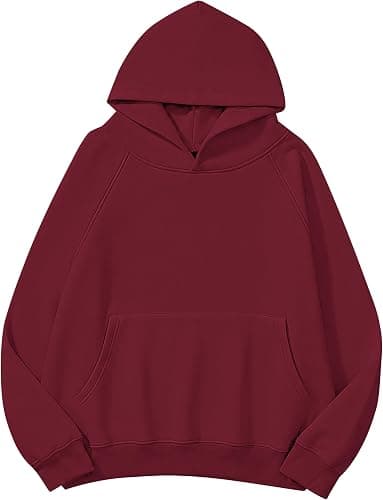
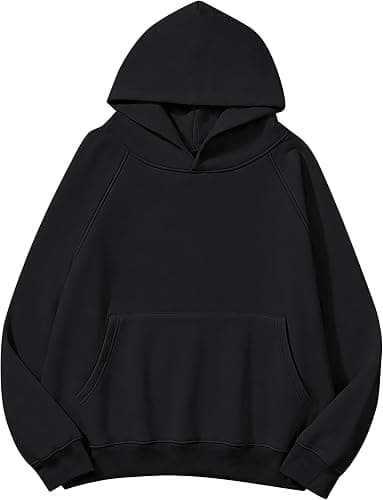
This is the first genuine fork. A pullover, sometimes called an over-the-head or OTH, has an unbroken front panel, a kangaroo pocket and the largest usable print area on the garment. A full zip opens completely, wears more like a jacket, layers better and is easier to take on and off without disturbing a hairstyle or a lanyard, which is why it is popular as staff kit. A quarter zip sits between the two and reads as smarter, often chosen where a hoodie is wanted but a fully casual look is not.
Zip hoodies also come with different pocket styles, usually two side pockets rather than a kangaroo pouch, and the hood is often lighter because the garment is designed to be worn open.
Fabric Weight Is the Real Divider
GSM tells you more about a hoodie than any marketing word. A 280 GSM hoodie is a perfectly reasonable garment that feels light in the hand and is a sensible choice for a giveaway or a summer-weight layer. A 350 GSM hoodie feels like a product: it has structure through the shoulders, the hood holds its shape, and it does not go limp after a few washes. If you are charging for merchandise or issuing it as staff kit that has to look good for a year, the difference in unit cost between the two is usually recovered several times over in how the garment is perceived.
Loopback or Brushed Back
Inside the garment, sweatshirt fleece comes in two main constructions. Loopback leaves the yarn loops uncut on the inside, which feels smoother and more textured, breathes better and is the better choice for warmer weather or active wear. Brushed back has those loops cut and raised into a soft nap, which traps air and is noticeably warmer and cosier. The trade-off with brushed fleece is that the raised fibres can pill with wear, particularly at lower fabric weights and in areas that rub, such as under the arms and around a rucksack strap.
Details Worth Specifying in a Brief
Two hoodies at the same GSM can still feel very different, and the difference is in the finishing.
- Double-lined hood, which sits better and does not go translucent under a light colour.
- Ribbed cuffs and hem with a small percentage of elastane, so they recover their shape instead of stretching out.
- Metal-tipped drawcords through reinforced eyelets rather than raw cord through a plain hole.
- Flatlock or twin-needle stitching at the stress seams, which is what stops shoulders going baggy.
- Whether the garment is set-in sleeve or raglan, since raglan changes the shape of the chest print area.
“"Everyone argues about the spelling. Nobody asks the GSM, and the GSM is the only part they will still be thinking about in a year."”
How the Style Changes Your Decoration Options
The choice between pullover and zip has direct consequences for artwork, and it is worth deciding before you design rather than after. On a zip hoodie the centre front is unavailable, because nothing prints or bonds across a zip, so a large chest design has to move to a left-chest position, a sleeve, or the back. On a pullover, the kangaroo pocket sets the lower boundary of the front print area, so chest artwork needs to sit above it rather than run into it. Embroidery on either style needs to clear the placket and any seam, since the hoop has to clamp flat fabric.
Hood prints are possible but rarely as good as they look on a mockup, because the hood is not flat, it is doubled, and it moves. A back-neck or hem-tab detail is usually a better use of the same budget.
Ordering Language That Avoids Mistakes
Say the specification rather than the word. Something like: pullover hoodie, 350 GSM brushed back, charcoal, double-lined hood, left-chest embroidery at 90mm wide, unisex sizing S to 2XL. That sentence removes every ambiguity that the hoodie-versus-hoody question never actually contained. Use the free Design Studio to see the artwork on the garment shape before approving, check quantity effects in the instant price calculator, and remember the minimum is 50 pieces per order with sizes mixed freely within the run.