Societies: Freshers Order Deadlines
By The Velocity Wear Team
Place a freshers order in July for a September stall. Production runs 10 to 15 working days from artwork approval, delivery transit sits on top, and committees reliably lose two or three weeks arguing about the design before any of that starts. July gives you all three with room left over. August is possible but leaves nothing for a reprint.
How do you count back from the stall to the order date?
Start at the fixed end
Freshers week has a date in the university calendar and it does not slip. Write that date down, then subtract in this order: a few days of safety before the stall opens, the delivery transit, the 10 to 15 working day build, and finally the artwork round. Ten to fifteen working days is two to three calendar weeks once weekends are counted, which is the step most people get wrong.
Doing that honestly usually lands you in early or mid July. Committees that hold on until mid August are not automatically too late, but they have spent their entire buffer and a single artwork revision will eat the rest. The schools and leavers page covers how term-dated orders are scheduled, and the wholesale catalogue shows which garments suit an outdoor stall.

Which part of the schedule belongs to the committee?
The build is ours and it is predictable. The part that slides is everything before approval: getting a logo file that is actually usable, agreeing a colourway, and getting the person with the society bank card into the same room as the decision. Set an internal deadline a week earlier than the real one and treat it as real.
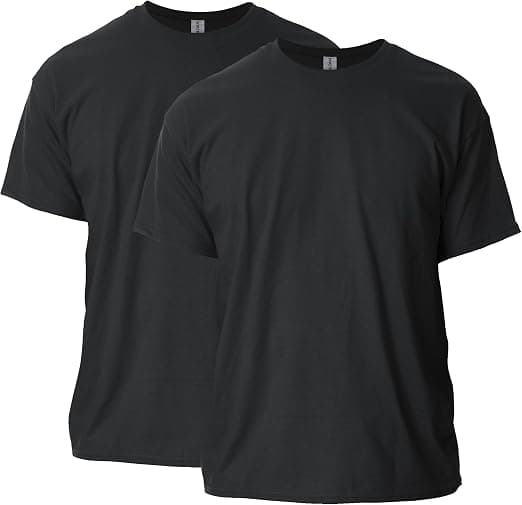
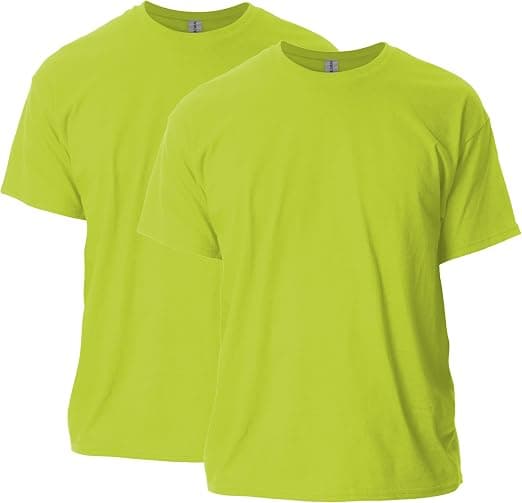
Sizing is the other committee-side delay. Freshers have not joined yet, so nobody knows the size curve. Caps at $12 and t-shirts at $13 both dodge some of that problem, and a mixed 50 leaning on medium and large covers most of a stall. Apparel production lead times explained walks through where each week of a build actually goes.
What happens if the order is raised in August?
It can still work, but the tolerances get thin. Approve the artwork the day you get the proof, accept that a revision costs you three or four days, and do not plan a second colourway for the same week. If the stall date is inside four weeks, order the one garment you are certain about rather than the full range, and run the rest as a restock in October when the membership list is real.
How much should a society order for a first stall?
Fifty is the minimum per design and for most societies it is also the right number. You do not know the intake yet, and a second run placed in week three against a real sign-up sheet wastes far less money than 200 shirts in sizes nobody wanted. Planning apparel lead times so you never air freight makes the case for buffers over volume.
What should be ready before the stall opens?
Bring the stock sorted by size and bring a list. Societies that arrive with an unsorted box spend the busiest hour of the week digging through it, and the sizes that get sold are whichever ones happen to be on top. A folding table laid out by size sells far more than a full box does.
Also bring a sign-up sheet for the sizes you have run out of, because that sheet is the data for the second order. A stall that sells out of large by midday has just told you exactly how to weight the next 50 pieces, and that information disappears if nobody writes it down on the day.
One more practical point: decide the price members pay before the stall, not during it. Societies that improvise the figure at the table end up with three different prices and an awkward conversation with the treasurer. Take the per-piece cost, add whatever the society needs to cover delivery and the spares, and print the number on a card.