What Societies Pay for Branded Clothing
By The Velocity Wear Team
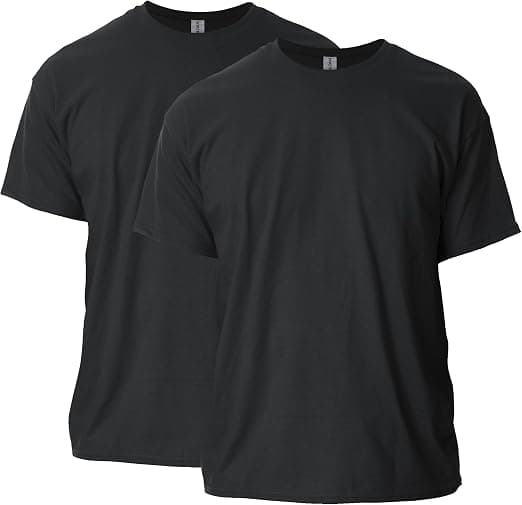
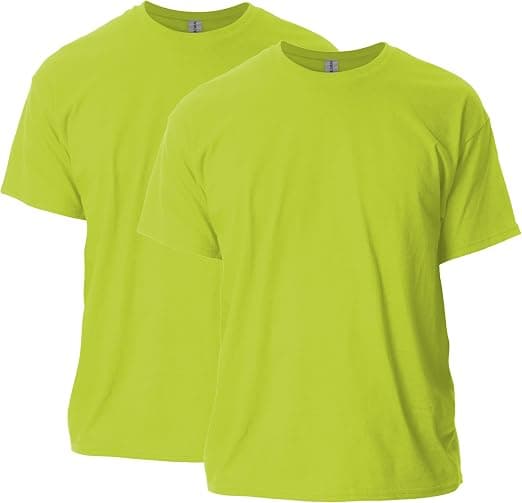
At the 50-piece minimum, society kit starts from $13 for a tee, $12 for a cap, $18 for a polo, $22 for joggers, $31 for a hoodie and $53 for a tracksuit set of hooded top and matching jogger. Those are per-piece figures before the volume discount, which reaches up to 35 percent as the order grows past 50, 100, 250, 500 and 1,000 pieces.
What does society kit cost per member?
Divide the run, not the garment. A committee ordering 50 hoodies at the starting figure is committing a fixed sum, and the cost per member falls as more people sign up to the same run. Fifty hoodies across fifty members is one price each; fifty hoodies across a society that only sold thirty-five leaves the committee carrying fifteen. That is why collection before ordering matters more than negotiation. The schools and leavers pages cover the same pattern for student groups.

Which garment gives a committee the most room in the budget?
The tee, at $13, is the piece that lets a society price kit low enough that nobody thinks about it. The hoodie, at $31, is what members actually want and will pay a contribution towards. A lot of committees run both: a tee included in membership and a hoodie sold at cost to anyone who wants one. Tracksuits at $53 a set suit sports clubs where the kit is worn to fixtures rather than around campus. Look across the full product range before committing, because the garment decides the budget far more than the decoration does.
How much does the price drop at higher tiers?
The discount is measured from the 50-piece price and steps at 100, 250, 500 and 1,000 pieces, up to 35 percent at the top. A single society rarely passes 100, but a students union ordering for several societies on one design easily does, and the saving is real. Where the design has to differ per society, the minimum applies per design, so combining only works if the artwork is shared. Our note on how many colours a design should carry is worth reading before the artwork is fixed.
What should be collected from members before ordering?
Names, sizes and money, in that order, and all of them before the order goes in. A committee that orders on a show of hands ends the year with unsold stock and a hole in the accounts. Take payment up front, close the list on a stated date, and order against the list. If the total lands under 50, the run still costs what a 50-piece run costs, so the spare pieces should be priced into the member contribution rather than discovered afterwards. The wider picture of what an order really costs by the time it lands is in our piece on landed cost.
Budget for the delivery as well as the garments. Invoicing is available in seven currencies and delivery covers the UK, the USA and Europe, but the shipping line still belongs in the spreadsheet before the committee votes on a price.
Societies fund kit in one of three ways, and it is worth choosing deliberately rather than drifting. Members pay the full per-piece price, which keeps the accounts simple and suppresses sign-ups a little. The society subsidises from membership fees, which raises uptake and spends money the committee may want elsewhere. Or a sponsor covers part of the run in exchange for a mark on the sleeve, which suits sports clubs and works badly where the union restricts sponsor branding. Whichever route you take, price it against the full 50-piece run rather than against the members who have paid so far.
Present the figures to members as one price with nothing hidden behind it. Student groups notice quickly when a stated price grows between sign-up and collection, and a committee that has already folded delivery into its number never has that conversation at the handout table.