GSM Explained for Bulk Tracksuits
By The Velocity Wear Team
GSM is grams per square metre: the weight of the fabric, not a measure of its quality. Tracksuit fleece normally runs 280 to 450 GSM, with lightweight poly below that for training kit. A higher figure means a warmer, stiffer, slower-drying garment that feels substantial in the hand. It is the spec buyers judge first and understand least.
What does the GSM figure actually measure?
A square metre of the fabric is weighed, and that weight in grams is the number. It says nothing about fibre, knit or finishing, which is why two fleeces both quoted at 320 GSM can feel quite different in the hand. A loose knit and a dense one can weigh the same and wear nothing alike.
It remains the most useful single number on a spec sheet, because everything else is harder to compare between suppliers. Ask for the GSM and the fibre split together and you have most of what matters. Our fabric terminology glossary defines the rest of the vocabulary a mill will use.
Knit construction is the missing half of the story. A French terry and a brushed-back fleece at the same weight behave differently, because one carries looped yarn on the inside and the other has been brushed into a soft nap. The nap is what makes fleece feel warm, and it adds bulk without adding much weight, so a brushed 300 can feel heavier in the hand than an unbrushed 320.
Which weight should you pick for your buyer?
Lightweight poly for indoor training and anything worn while moving. Around 280 to 320 GSM for a set worn all year, which is where most retail co-ords land. From roughly 380 upward for a winter product or a premium drop where the weight is part of what you are selling. Beyond that you are into outerwear and the jogger starts to feel stiff.
The jogger is the half that settles it. A heavy top is comfortable at almost any weight; a heavy jogger is not, and buyers who choose on the hooded top alone often end up with a bottom half nobody wears. Cotton against poly blend covers how fibre changes what a given weight feels like.
Does GSM change the price per set?
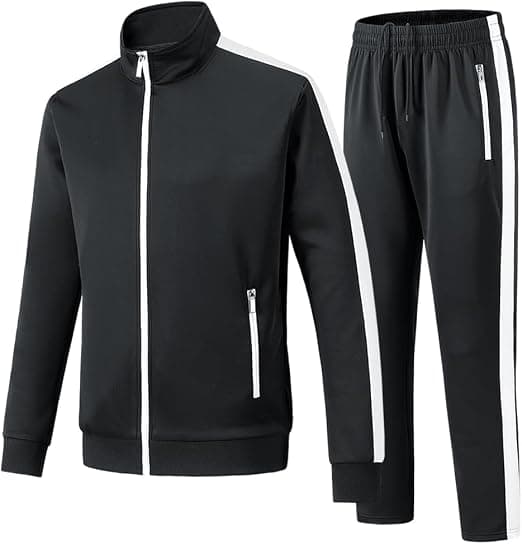
It does, directly, because heavier fabric uses more material per garment and a set is two garments. The $53 starting point at fifty sets on our bulk tracksuit page is the floor of the range, and a heavyweight specification sits above it. Volume still applies whatever the weight, with up to 35% coming off as the order climbs.
Shipping is the part people forget. Weight per set multiplies across a consignment, and a heavy order crossing a continent carries a delivery cost a light one does not. On a large run it is worth asking what the finished boxes weigh before you settle the fabric.
The figure is worth putting on your own product page as well. Buyers who have bought apparel before treat it as shorthand for quality, and a listing that states the weight reads as specified rather than resold.
How do you check the weight before committing?
Handle it. The £150 sample fee is credited against the bulk order, so on an order you intended to place it costs nothing but time, and it answers what a number on a page cannot. Pick the set up, hold it out at arm length, and watch whether it hangs or holds its own shape.
If you are comparing suppliers, ask each for the same GSM and judge the samples against one another rather than against the paperwork. GSM explained for buyers covers why identical numbers still produce different garments.