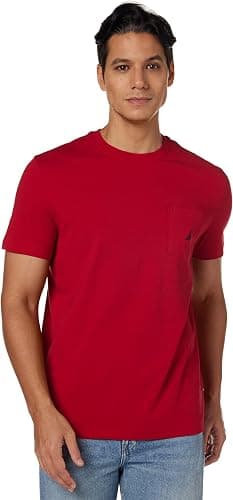
T-Shirts for Restaurants: reordering
By The Velocity Wear Team
A restaurant t-shirt reorder is a fresh production run: 50 pieces per design, 10-15 working days from artwork approval, and the same per-piece pricing ladder as the first time. The part that decides whether it goes smoothly is what you wrote down before the first batch shipped - fabric weight, colour reference, print position and the size split you actually needed.
Will the second run match the first?
Closely, and closer still if you give us the original job reference so we cut from the same spec rather than rebuilding it. Dyed cotton moves slightly between dye lots, which is normal across the industry; on a black or navy staff shirt nobody will spot it, on a mid-grey or a brand-specific pastel a side-by-side comparison sometimes will. If an exact match matters, order enough in one run to cover the year rather than splitting it.
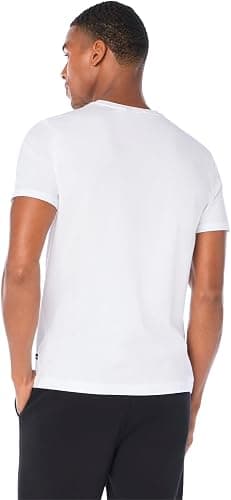
What should a venue record before the first order ships?
- 1The fabric weight in GSM and the fit - regular or boxy - for each design you ran.
- 2The colour reference for the garment and for every ink or thread used.
- 3Print position measured from the shoulder seam, not described as roughly centred.
- 4The size split you ordered, and separately the size split you wished you had ordered.
- 5One unworn, unwashed shirt kept in a bag as the reference garment.
That last one does more work than the rest combined. A sealed shirt from batch one settles any argument about colour or placement in seconds, and it means a new manager who inherits the account has something physical to hand over. Our wholesale t-shirts page carries the current from-price so whoever signs off the repeat is not working from a year-old quote.
How many spares should you build into the first order?
Hospitality turns over staff faster than almost any sector, so a shirt count that exactly matches your headcount on the day of ordering will be short within a quarter. Build in a buffer of new starter sizes - the middle of your curve, medium and large, sometimes small if you run a lot of part-time floor staff. Because the minimum is 50 pieces per design, a buffer costs you very little: you are usually filling out a quantity you were going to hit anyway, and a larger single run sits further up the discount ladder, where savings reach up to 35% from the 50-piece price.
When should you reorder rather than wait?
Count your unissued stock, not your total stock. When the unissued pile drops below about two months of new starters, start the reorder, because 10-15 working days of production plus transit plus your own approval time is closer to a month in practice. Venues that wait until the box is empty end up putting new staff in unbranded shirts for weeks. If the fabric or artwork is changing rather than repeating, order a sample first - the restaurant sample post explains what the £150 covers.
Does a repeat order still need 50 pieces?
Yes. The 50-piece minimum is per design on every run, including repeats, and sizes can be mixed freely inside it. Where venues get caught is by treating a small change as a repeat: a different garment colour needs its own screens and counts as its own design, so a black kitchen shirt and a white floor shirt are two lots of 50 even with identical artwork. The restaurants and hospitality page sets out how multi-site groups usually consolidate those runs, and event-led venues will recognise the same problem in event t-shirt reordering.