T-Shirts for Restaurants: cost
By The Velocity Wear Team
Restaurant t-shirts start at $13 a piece at the 50-piece minimum. The figure that matters, though, is not per piece but per person: hospitality kit needs two or three shirts each so staff always have a clean one, which means a team of twenty is already an order of fifty or sixty. That quantity is what moves you down the tiers, where the discount reaches up to 35%.
What does a restaurant t-shirt cost?
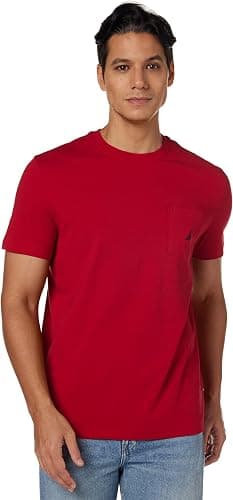
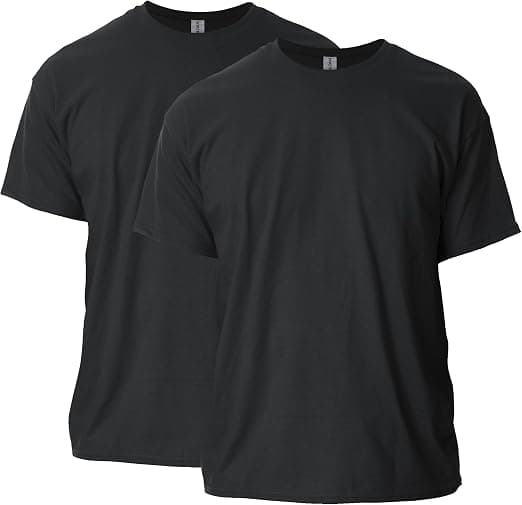
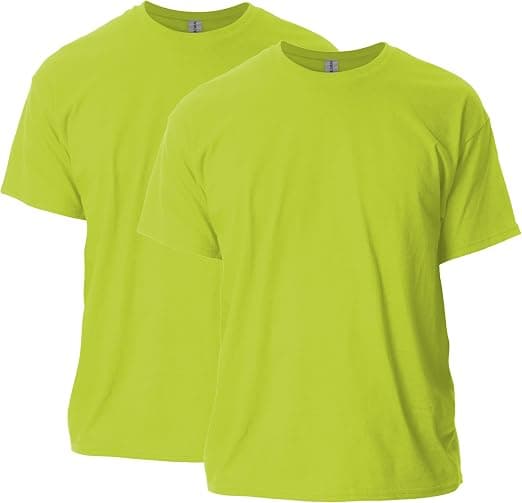
The garment starts at $13 at 50 pieces, on 150–240 GSM combed ring-spun cotton in regular or boxy fits. For hospitality the weight question has a clear answer: heavier lasts longer and hides wear better, and a service shirt is washed more often than almost anything else a business buys. A light shirt is cheaper on the quote and shorter-lived in a kitchen, which usually makes it the more expensive choice over a year. The wholesale t-shirts page lists the fabric range and the from-price.
Decoration sits on top. A one-colour screen print on the chest is the most economical logo at volume; DTF handles a detailed or photographic mark without a setup per colour; embroidery costs more and reads as more formal. Most restaurant orders come down to a chest logo and, sometimes, a back print, which is two positions rather than one.
How many shirts per person do you need to buy?
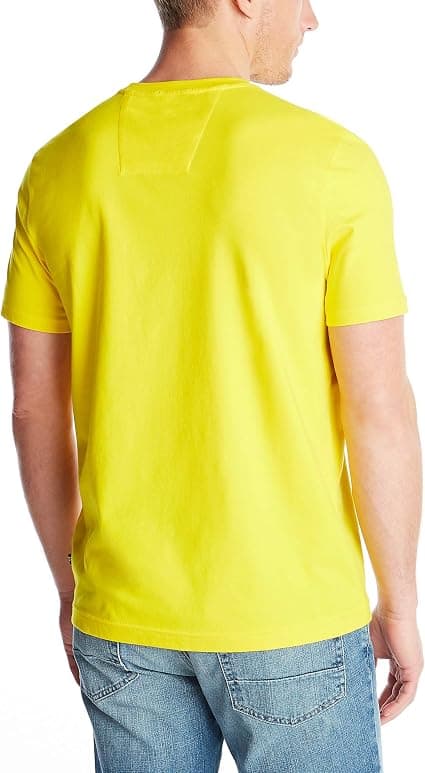
Two at an absolute minimum and three if staff work consecutive shifts, because a service shirt does not get through a week on one. This is the calculation that decides your quantity, and quantity is what decides your price. A team of eighteen at three shirts each is fifty-four pieces, which clears the minimum and sits in the first tier. The same team at two each is thirty-six, which does not clear it at all and means buying fifty anyway.
Given that, the sensible move is usually to round up rather than down. Hospitality turnover means new starters arrive throughout the year, and shirts bought now at the tier price are cheaper than a fresh 50-piece run in six months. Our restaurants and hospitality page covers the wider uniform list, which is worth pricing at the same time.
Does a second site change the price?
It improves it, if the design is the same. The tiers step at 50–99, 100–249, 250–499, 500–999 and 1,000+, and the discount runs up to 35% off the 50-piece rate at the top, so two sites ordering one design together are priced as one larger quantity rather than two small ones. Crossing a boundary reduces the cost of every shirt in the order. Our pricing page shows where the steps fall.
The catch is that the minimum is per design. If each site wants its own name on the shirt, those are separate designs and separate runs of 50, and the group buying advantage disappears. A shared brand mark with the site name kept off the garment is what keeps it as one order.
What is not in the per-piece price?
The £150 sample, credited against the bulk order — worth taking on a shirt that will be washed this hard. Extra print positions. Private label work such as woven neck labels if the shirt is also sold to customers. Individual bagging by name, which helps when kit is issued to new starters. And freight to the UK, the USA or Europe. Settle the size question alongside the budget using how to split a hospitality order across sizes, and if you want the cost structure underneath the tiers, where the money goes in bulk t-shirt pricing covers it.
Is a heavier shirt worth the higher unit price?
In hospitality, usually yes. A service shirt meets heat, oil, repeated hot washing and a lot of wear at the shoulders, and a light garment shows all four faster. Paying more per piece for the heavier end of the range buys you a shirt that still looks presentable in month six, which is the only thing your guests actually judge. The exception is a promotional or event shirt that is worn a handful of times, where the lighter weight is the correct choice and the saving is real.