T-Shirts for Gyms: size splits
By The Velocity Wear Team
Sizes inside the 50-piece minimum are free to split however you want, so the split is a planning question rather than a cost one. Weight it toward the middle and carry the ends thin. A staff shirt should be sized off an actual list of people; a member shirt should be sized off who walks through the door. Those are two different curves, and using one for both is what creates dead stock.
How should you split 50 gym t-shirts across sizes?
For staff, do not guess at all. You have a list of names, so collect sizes against it and order to that list plus a few spares. Fifty pieces across a team of thirty leaves real room for replacements in the sizes people actually wear. For members, the split is a forecast, and the honest version of a forecast is heavy in the middle: the outer sizes sell last and sit longest.
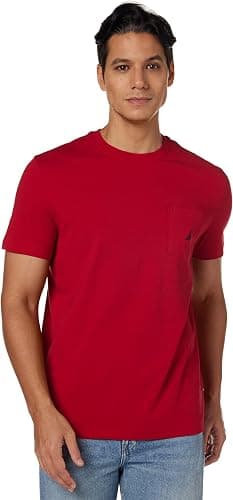
Fit changes the answer as much as the numbers do. A regular fit and a boxy fit measure differently across the chest, and a member used to one will order the wrong letter in the other. Publish measurements rather than S, M and L, and say which fit the shirt is. Our blanks run 150–240 GSM combed ring-spun cotton, and a heavier shirt hangs differently from a light one on the same body.
Do staff and member shirts need different curves?
Yes, because they are worn by different groups for different reasons. Staff wear the shirt all shift and want it to fit properly; members buying merch will size up or down for how they want it to look, and boxy fits in particular get bought a size differently from regular ones. If you are ordering one design for both, expect the member half to skew away from the staff half and order accordingly.
Remember that keeping them as one design is also what keeps them as one order. The minimum is 50 per design, so a separate staff artwork is a separate 50. What a gym t-shirt order costs works through that decision on price; here it matters because one design means one pooled size curve, which is easier to get right than two small ones.
How do you avoid dead stock at the ends?
Three habits. Order the extreme sizes only against a confirmed name or a known repeat buyer. Keep a short waiting list rather than stocking deep at the ends, and fold those names into the next run. And when you do reorder, adjust the curve from what actually cleared rather than from what you first planned. The second run is where a size split gets accurate, which is one reason to write down what was left over. How gym reorders work covers carrying that information forward.
What should you publish so members order the right size?
A flat measurement chart — chest width and body length — and one photo on a real body with the size stated. Letters alone push the returns and swaps back onto your front desk, which is the expensive kind of sizing mistake because it costs staff time rather than stock. If your shirt is a boxy cut, say so plainly and show it; getting the boxy fit right covers why that cut behaves differently on the rail. Our gyms and fitness page shows the fits available across the rest of the kit, which is worth checking if hoodies or joggers are going out alongside the tees.
One more thing decides how well a published chart works: the garment it describes. A chart taken from a generic template will not match the blank you actually ordered, and members will size from it anyway. Measure the sample you approved, publish those numbers, and state the weight and fit alongside them — the wholesale t-shirts page lists what those options are. Five minutes with a tape measure removes most of the swaps that would otherwise arrive at the front desk over the following month.