T-Shirts for Gyms: samples
By The Velocity Wear Team
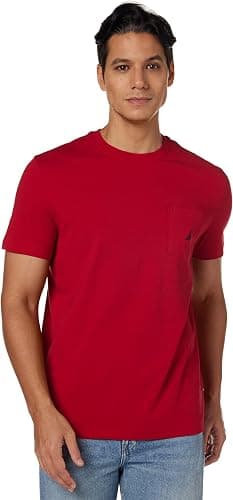
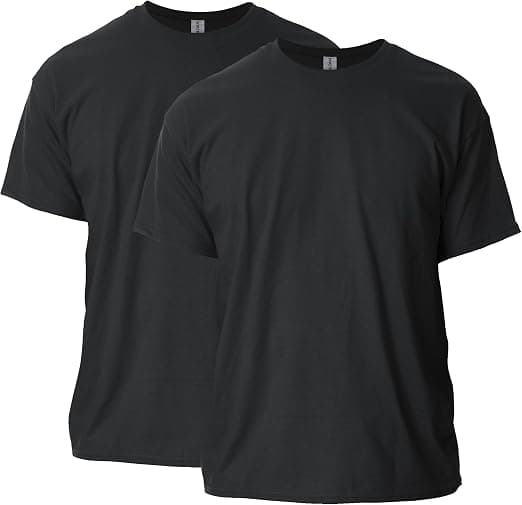
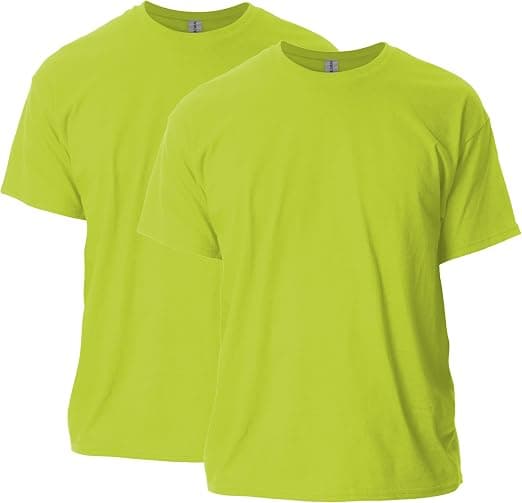
A sample costs £150 and that £150 is credited against the bulk order you place afterwards. For a gym it answers three things a screen cannot: how the fabric weight feels after a session, whether the print survives repeated washing, and whether the fit your team will actually wear matches the size chart. Samples are never free, and on a garment you will reorder for years that fee is a small part of the job.
What does a gym t-shirt sample cost?
£150, credited back when the bulk order follows. On a completed job it nets to nothing; on an abandoned one it is what you paid to find out. Set against a 50-piece run of the wrong fabric weight — or a 500-piece run at a tier price you were pleased with until the boxes arrived — it is a small number. It is also the only way to hold the actual garment before the production window starts.
Order the sample in the specification you intend to buy, not a near version. Same GSM, same fit, same decoration method, same print position. A sample printed by a different method than the bulk run will tell you almost nothing useful. Our blanks run 150–240 GSM combed ring-spun cotton in regular and boxy fits, and those are choices to lock on the sample rather than after it. The wholesale t-shirts page lists what you can specify.
What should a gym actually check on the sample?
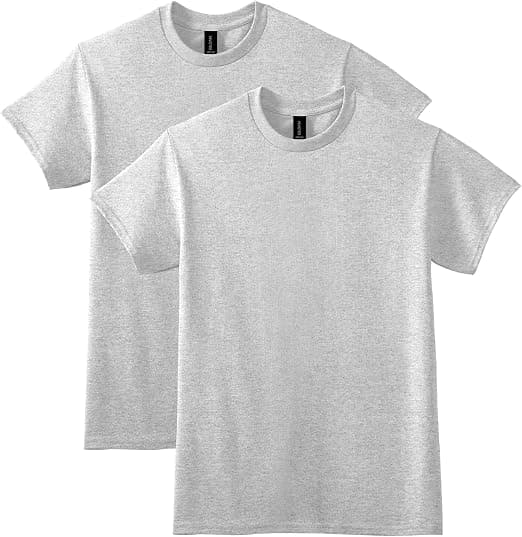
Wash it. Not once — several times, the way a staff shirt gets washed, and dry it the way your team will. Look at the print edges afterwards and at the shoulder seams. Then have someone train in it, because a shirt that is comfortable standing in an office is not necessarily comfortable under a barbell. Fabric weight is the thing most gyms get wrong on a first order, and it is the thing a sample settles fastest.
Check the fit against your size chart with a tape measure rather than by eye, and check the print position against the proof. Then put it on the two people whose opinion will otherwise surface after the bulk order arrives. Decoration questions are worth settling here too — print or embroidery on gym tees covers what each method does to the garment.
Which sample is worth ordering when you have two designs?
Sample the garment, not the graphic. If both designs are going on the same blank with the same method, one sample tells you what you need about fabric, fit and wash. Where two samples earn their fee is when the two orders are genuinely different products — a light member giveaway and a heavy staff shirt, or a screen print and an embroidered version. Remember each design is its own 50-piece minimum anyway, so you are deciding about two orders, not two graphics on one.
How does the sample change the main order?
It moves your decisions in front of the production window instead of after it. Once you approve artwork, production runs 10–15 working days and changes made inside that are a new run. A sample is how a gym gets to be certain before that clock starts. Build the days into your plan — the gym t-shirt timeline shows where the sample sits — and look at our gyms and fitness page for the other kit worth sampling at the same time, because one sampling round across the whole kit list costs less attention than three.
What does a sample not tell you?
It will not settle your size curve, because one garment cannot show you how a team of thirty distributes across a range. It will not tell you how the colour will look in a second production run, since dye lots vary slightly between batches. And it will not answer questions you have not asked yourself before it arrives. Write down what you are testing before you order it — weight, wash, fit, print position — and check each one deliberately. A sample that gets glanced at and put in a drawer has cost £150 and told you nothing.