Cotton vs Poly Blend on T-Shirts
By The Velocity Wear Team
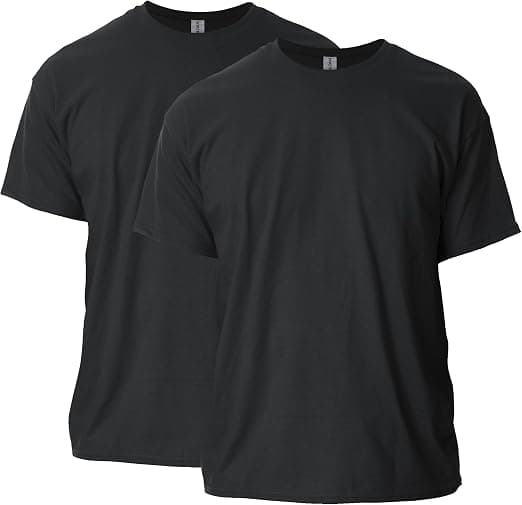
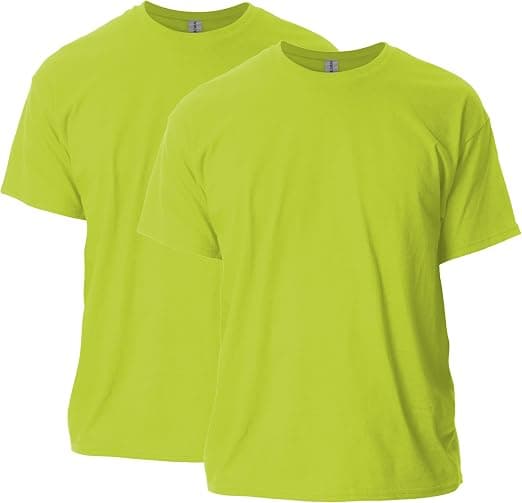
Cotton and poly blend separate on four things a bulk buyer notices: shrinkage, print finish, price and how the shirt looks after twenty washes. Cotton takes a screen print more cleanly and feels better in the hand on day one. A blend moves less in a hot wash and dries faster. Our tees run 150 to 240 GSM combed ring-spun cotton, with blends quoted alongside them.
How much does each one shrink?
This is the question that generates complaints three weeks after delivery, so take it first. Untreated cotton loses length on the first hot wash and tumble dry. The movement sits mostly in the body length rather than the chest, which is why a shirt that fitted at the counter suddenly reads as cropped. A poly blend moves much less, because the polyester fibres do not relax the way cotton fibres do. Neither is a defect. It is a property of the fibre, and the way you handle it is by choosing the fabric with the end user in mind rather than by arguing about it afterwards.
If your shirts are going to a workforce who wash on a hot cycle and tumble dry because nobody has time to line dry, a blend will look consistent for longer. If they are going to a retail rail where the buyer is likely to wash at 30 degrees, cotton stays true enough and you get the better hand feel. Either way, print the wash instruction on the care label rather than assuming. We cover what that label has to carry in care and washing for t-shirts.
Does the print look different on each fabric?
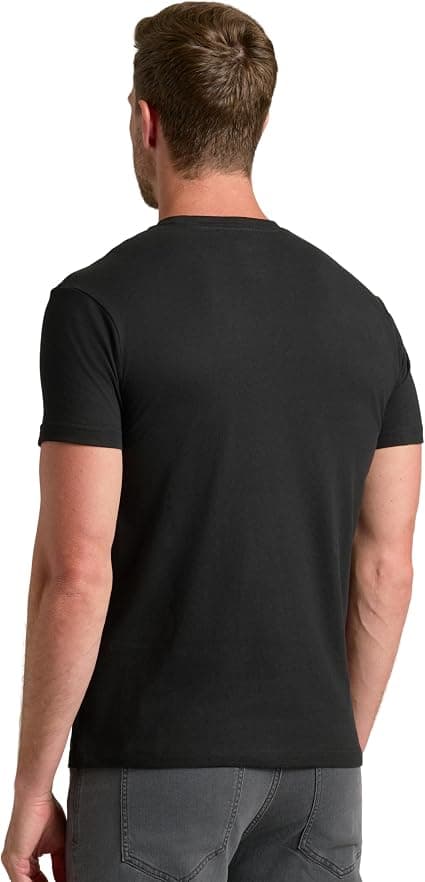
Yes, and the difference is visible from about a metre away. Cotton has a slightly open surface that ink sits into, so a screen print reads as part of the shirt. A blend has a smoother, more reflective surface, so the same ink sits on top and the edges look a fraction sharper but the colour reads flatter. Neither is wrong. For a heavy block of one colour, cotton usually wins. For fine linework or small type, the blend holds detail well.
There is one practical trap with blends: dye migration. Polyester dye can move into the ink on dark garments, so a white print on a dark blend can pick up a pink or grey cast over time. The fix is a blocker underbase, which we will specify if your artwork calls for it. On cotton this does not happen. If you are printing white onto a deep red or navy in volume, say so in your brief and we will quote the right build rather than the cheap one. The glossary defines the underbase and blocker terms you will see on the quote.
Where does the price difference actually show up?
Less than most buyers expect. T-shirts start at $13 a piece at our 50-piece minimum, and the fabric choice moves that figure less than the decoration does. Screens, colour count and whether you are printing one location or three all cost more than the difference between a cotton body and a blended one. What genuinely moves the number is quantity. The tiers run 50 to 99, 100 to 249, 250 to 499, 500 to 999 and 1,000 plus, with up to 35% off the 50-piece rate at the top. Current from-prices sit on the wholesale t-shirts page.
So do not pick the fabric to save money. Pick it on how the shirt has to behave, then buy enough of it in one run to reach a better tier. Buyers who split 200 shirts into four orders of 50 across a year pay the entry rate four times. The costing logic is broken down further in bulk custom t-shirt pricing.
So which should you pick?
Pick cotton when the shirt is merchandise, when the hand feel is part of the sell, when you are printing large solid graphics, or when the buyer is choosing it off a rail and will judge it by touch. Pick a poly blend when the shirt is workwear, when it will be washed hot and tumbled several times a week, when you need the fit to stay identical across a two-year uniform programme, or when the design is fine detail on a light body. If you genuinely cannot decide, order the £150 sample in both and wash it before you commit. The fee is credited against the bulk order.