Selling Merch at a Sports Ground
By The Velocity Wear Team
Need this made?Get pricing for this product— free, no obligation, 50 pieces minimum.
Matchday selling is not ecommerce with a table. You have a short window, a queue behind every customer, no chance to restock mid game, and weather that decides what people are willing to carry home. Plan the run from the fixture list, stock heavier garments for cold months, and cut the number of decisions a buyer has to make.
What Buying at a Ground Actually Feels Like
The person in front of your table has somewhere to be. They are holding a drink, they may have children with them, and they have somewhere between thirty seconds and two minutes of patience. They are also, crucially, already committed to the club. You are not persuading anyone to care. You are giving people who already care something to wear.
That changes the design brief completely. A ground is the worst possible place to sell a garment that explains who the club is, and the best place to sell one that marks belonging: this season, this promotion push, this away end, this stand. The specificity is the product.
Let the Fixture List Write the Order
Spikes are predictable if you look for them. Derbies, cup ties, the last home game, promotion or relegation deciders and anything with a bigger away following will move more stock than a midweek league fixture in February. The trap is reacting to the spike instead of printing for it, because production begins at artwork approval and screen printing runs roughly ten to fifteen working days from there. A cup draw made three weeks out is tight. A fixture you have known about since June is not.
So sit down with the season calendar before it starts, mark the three or four dates that will carry the year, and time runs to land ahead of them with room for proofing.
Weather Chooses the Garment
A ground in November is a hoodie shop. A ground in August is a t shirt shop. This sounds obvious and is routinely ignored by clubs who print one range in July and try to sell it in December. Heavier fleece garments sell when people are cold and standing still, which describes most of a British season. Lightweight tees sell in a narrow window either side of summer.
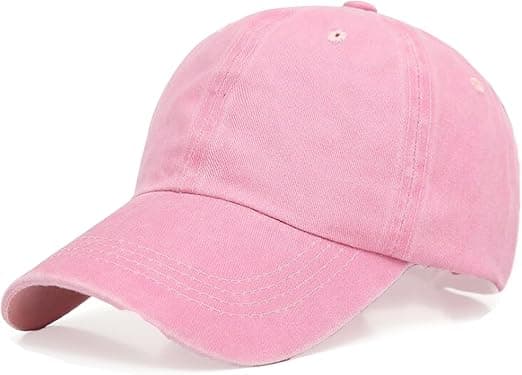
Beanies and caps behave the same way in reverse, and both are worth stocking in small numbers because they are the impulse buy for someone who arrived intending to buy nothing. Fabric weight matters more than clubs admit. A heavier hoodie feels like something you bought. A thin one feels like something you were handed.
Sizes Skew Differently on Matchday
Ground based selling is one of the few contexts where the size curve reliably runs larger than an online one. Adult crowds, outerwear pulled on over other layers, and people buying to wear on top of a shirt all push demand up the range. Junior sizes sell too, but they are bought by parents and they sell in bursts rather than steadily.
- Weight a matchday run towards the middle and upper sizes, and expect small to move slowly.
- Stock a short junior range rather than a full one, since parents buy fewer sizes than they say they will.
- Keep size labels visible without unfolding, because unfolding a stack in a queue costs you the next sale.
- Write down the size run you actually sold on the back of the stock sheet after every game, not from memory a month later.
- Never carry your whole remaining stock to a fixture, because damp cardboard in a store cupboard ruins more merch than theft ever does.
Fewer Options, Faster Queue
Every extra choice slows the table down. Two garments in two colours is a decision someone can make while reaching for their card. Six garments in five colours is a conversation, and conversations are why the queue behind gets bored and drifts off. Simple, round price points help for exactly the same reason.
If you want variety, put it online and keep the table for the two or three things that sell fastest. The ground is a volume channel, not a catalogue.
“"Nobody at a ground is browsing. They are deciding, and every extra option you put in front of them makes deciding harder."”
Designs That Date Well and Designs That Do Not
Season specific designs sell hard and then stop dead. That is fine, as long as you print them in a quantity you expect to clear inside the season and you have a plain club design running alongside that will still sell next August. A useful rule of thumb: dated designs get short runs, undated designs get the bigger ones.
What You Do With the Leftovers
You will have leftovers. Decide where they go before the season ends. Junior sides, volunteers, stewards and raffle prizes will all absorb stock that would otherwise sit in a cupboard until it smells of it. Discounting on the final home game works, but do it once and make the reason obvious, otherwise supporters simply learn to wait until May every year.