Samples Before Bulk: A Guide for Schools
By The Velocity Wear Team
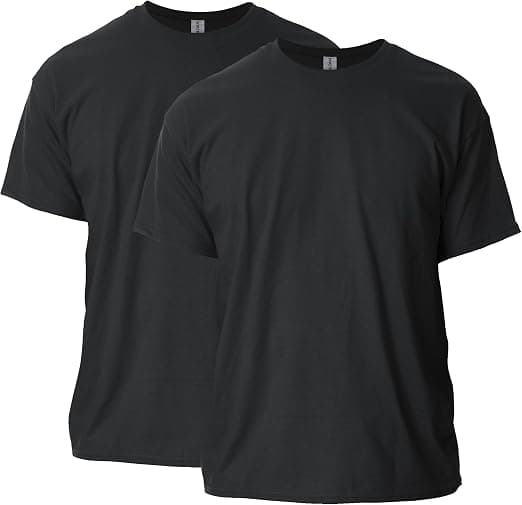
A physical sample is £150 and that fee is credited against the bulk order when you place it. For a school, the sample answers questions a screen cannot: how the fabric actually feels, whether the crest sits at the right height on a real body, and whether the colour on the garment matches the colour everyone pictured.
What does the school get for the £150 sample?
One finished garment in the specification you intend to order, with the decoration applied as it would be in production. It is not a mockup and not a blank. Because the fee comes back as credit on the bulk run, the real cost of sampling is the calendar time it takes rather than the money.
Samples are never free here, and a school should be slightly wary of anyone who says otherwise, because the cost of making one garment has to sit somewhere in the deal.
It is also worth being clear about what a sample is not. It is not a prototype to iterate on endlessly, and it is not a proof of the whole size run. It is one garment, made properly, so that the specification you approve is one you have held. Anything beyond that is a second sample and a second fee.
Which details should the sample be checked against?
- Crest position and size against a pupil actually wearing it, not against a ruler.
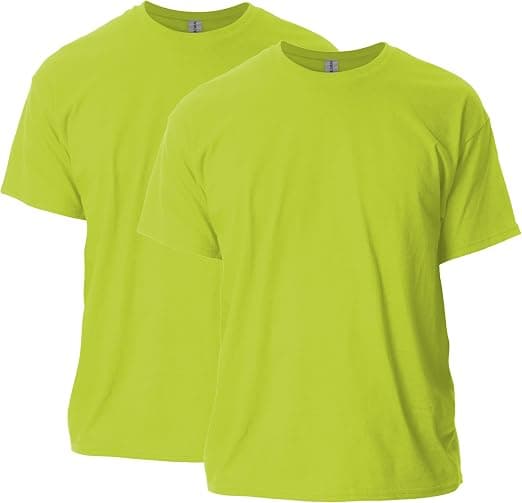
- Colour of the garment under the school hall lighting, which is rarely daylight.
- How the decoration looks after three or four passes through a domestic wash.
- Fit on the sizes at the edges of your range, not just the middle.
- Spelling on every piece of text, read by someone who did not write it.
The last one catches more schools than any of the others. A misspelled house name on two hundred hoodies is not a production fault, it is an approval that went through too quickly.
Who should see the sample before sign-off?
Whoever will be blamed if it is wrong. In practice that means the head of year for the design, the business manager for the price, and ideally two or three pupils for the fit, because pupils will tell you plainly that a cut is unflattering in a way that adults will not.
Set a deadline for that circulation. A sample that tours the staffroom for three weeks has eaten the buffer in front of the 10 to 15 working day build. What a sample can and cannot settle is covered in mockups versus physical samples.
When is a sample worth skipping?
On a straight repeat of a garment you have ordered before, with no change to fabric, colour or decoration. Beyond that, a school selling kit on to families carries the risk of every complaint, and a sample is the least costly way to move that risk before two hundred pieces exist.
If you are sampling, order it early enough that the result can still change the design. The schools and leavers page covers the garments we sample most, and the wholesale range shows where those sit on price before the tiers apply.
Keep the approved sample after the run lands. When a parent queries a colour or a placement in July, a garment in the office settles it immediately, and when the school orders the same design again the sample is the reference that makes the repeat straightforward. Label it with the date and the order it belongs to before it disappears into a cupboard.