What Retailers Pay for Branded Clothing
By The Velocity Wear Team
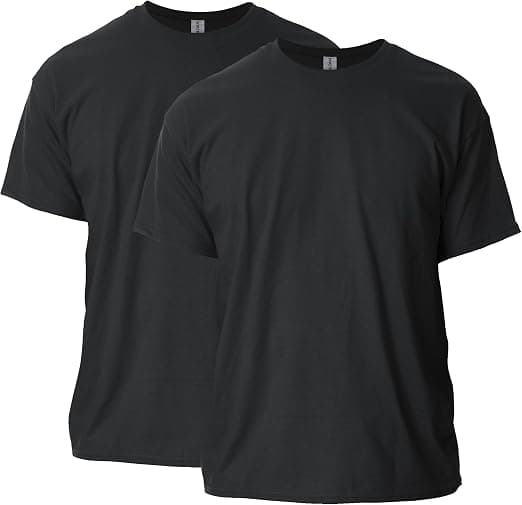
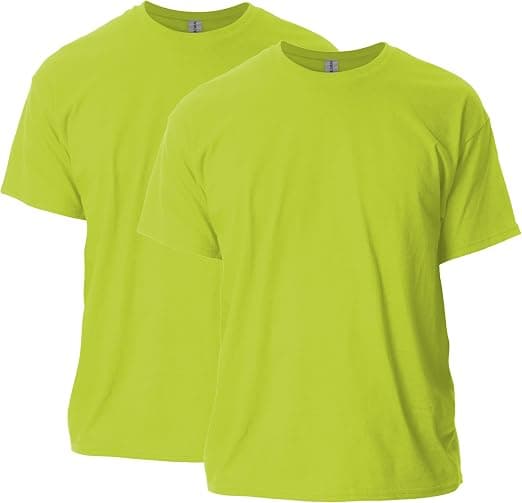
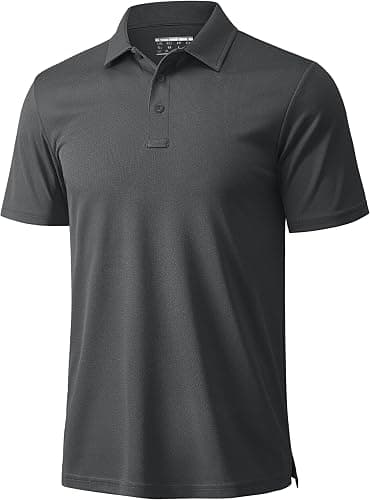
At the 50-piece minimum a retailer pays from $13 for a t-shirt, $12 for a cap, $18 for a polo, $22 for joggers, $31 for a hoodie, $38 for a denim jacket and $53 for a tracksuit set. Those are entry figures at the smallest quantity band, and up to 35% comes off as the run grows through the tiers.
How far does the price actually fall with volume?
The bands are 50 to 99, 100 to 249, 250 to 499, 500 to 999 and 1,000 plus, and the reduction is measured against the 50-piece price. The largest movement a retailer will feel is the first jump, because most shops sit in the 50 to 249 range and crossing 100 is achievable on a product that sells. Reaching the 35% ceiling means committing to four figures on one design.
That shapes how a shop should buy. Rather than three designs at 50 each, one design at 150 buys a better per-piece figure and leaves the other two ideas for when the first proves itself. The wholesale pricing overview lists the current from-prices, and the comparison page sets out how decoration methods differ in cost.
What sits between the from-price and the shelf?
Four things, and none of them are in the per-piece figure.
- Decoration beyond a single position: a back print or a sleeve mark is costed separately from the chest.
- The £150 sample, which is credited against the bulk order but still leaves the shop first.
- Transit to the UK, USA or Europe, plus any duty on the route.
- Private label work such as woven neck labels or swing tags, if the product sells under the shop name.
Add those before you calculate margin. A t-shirt that reads as $13 can land meaningfully higher once a two-position print and freight are on it, and a shop that sets a shelf price from the from-price alone finds the margin somewhere else. Landed cost explained works through the full build-up with a worked example.
How do you work backwards from the price you want to charge?
Start at the shelf, take off VAT if you are UK based, take off the margin the category needs, and what remains is your ceiling on landed cost. Then check which quantity band gets you under it. Often the answer is that 50 pieces does not work at the price point and 150 does, which is a volume decision rather than a supplier decision.
Decoration is the other lever. Screen printing is priced by colour count, so a three-colour logo reduced to two changes the figure on every piece in the run. How much does custom clothing cost covers the trade-offs between method and unit price.
Which products give a shop the most room?
Caps and t-shirts, because the entry figures are lowest and the sizing risk is smallest. Towels, bottles, keychains and polythene bags are quoted per job rather than published, which makes them worth asking about specifically if you want a low-ticket add-on at the till. Tracksuits carry the highest entry figure at $53 a set but also the highest ticket, so the percentage margin can hold.
How does the decoration method change the unit cost?
Screen printing is costed by the number of colours in the artwork, so a two-colour mark and a five-colour mark on the same tee are different products commercially. Embroidery follows stitch count, which means a dense badge costs more than a simple wordmark regardless of how large either looks. DTF handles fine detail without a colour penalty, sublimation suits all-over work, and 3D puff is a raised finish usually seen on headwear.
Pick the method from the artwork and the garment rather than from a general preference. A shop that reduces a logo from three colours to two before the first run has taken cost out of every piece it will ever order of that design, and nobody outside the studio will notice.