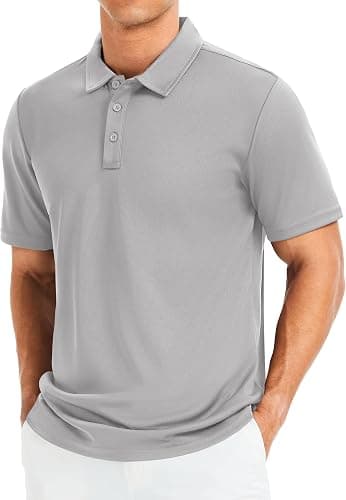
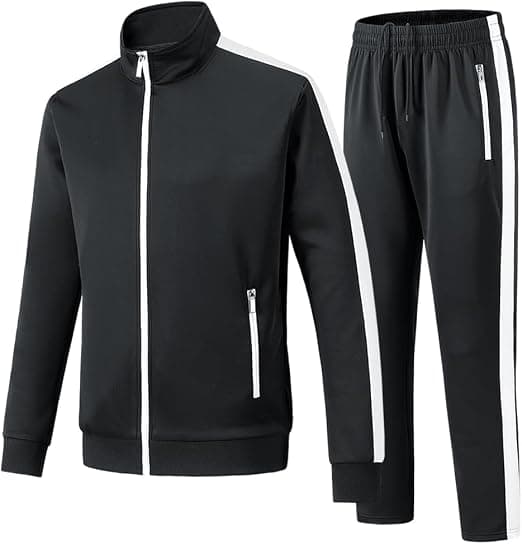
Polo vs T-Shirt for Uniform: Which Suits Your Team?
By The Velocity Wear Team
Need this made?Get pricing for this product— free, no obligation, 50 pieces minimum.
Polos suit customer-facing roles where staff need to look like staff, and they hold an embroidered logo beautifully. T-shirts suit physical work, hot environments, events and anything where the garment is a canvas rather than a uniform. If a customer will walk up and ask your team a question, put them in a polo.
The Collar Does a Job Nothing Else Does
A collar reads as staff from across a room. That signal matters in a shop, a showroom, a garden centre, a reception area or anywhere a member of the public needs to work out who to approach. A t-shirt with a logo can read as staff or as a customer who happens to like the brand, and in a busy space that ambiguity costs you conversations.
The flip side is that a collar looks slightly odd on someone doing genuinely heavy work. Nobody expects a collar on a scaffolder. Match the garment to the job, not to how formal you would like the business to appear.
Decoration Options Are Not the Same
A polo is built for embroidery. The chest panel has structure, the placket gives a natural alignment reference, and a stitched logo on a piqué polo looks properly finished. What a polo cannot do is host a large front graphic, because the placket and collar break up the space and leave you a narrow usable area.
A t-shirt gives you the whole front and back. If your uniform is doing marketing work, a service name and phone number across the back, a large chest design, an event graphic, the tee is the only one of the two that can carry it. Screen printing suits a bold low-colour design on cotton tees; embroidery is the natural partner to a polo.
Where Each Garment Shows Its Age
Polos wear out at the collar. The edge frays, the fold softens, and the whole garment starts looking tired while the body is still fine. Pale colours show this first, which is one reason navy, black and dark greens stay presentable much longer than light grey or pastel. If you are ordering polos a team will keep for two years, colour choice is a durability decision, not just a brand one.
T-shirts age more evenly. They fade, they soften, the print eventually shows wear at the fold lines, but they rarely go from acceptable to scruffy overnight the way a collapsed collar does. They are also cheaper to replace, which changes the whole maintenance conversation.
- Polos win when staff face the public, the setting is a shop, office, salon, clinic, hotel or trade counter, the logo is small and embroidered, or you want kit that looks deliberate rather than promotional.
- T-shirts win when the work is physical or hot, the design is large, the kit is for events, volunteers or a one-off campaign, or you need the lowest cost per person.
- Polo downsides: higher unit cost, collar wear, limited print area, and fit that varies more between body shapes.
- T-shirt downsides: reads as casual, can be mistaken for a customer's own clothing, and shows sweat and wear faster in the same conditions.
- Many teams run both: polos as the standard customer-facing layer, tees for warehouse, deliveries, summer and events, all in one brand colour so the team still looks unified.
Fit and Sizing Cause More Grief on Polos
T-shirt sizing is forgiving. A polo is closer fitting through the body and shoulders, the placket sits differently on different builds, and the difference between the men's and women's cut is significant. Order the same run of polos as you would tees and you will get more exchange requests. Build a bit of size spread into the first order, and where possible let people pick their own size from a chart rather than guessing on their behalf.
“"A polo tells a customer who to ask. A t-shirt tells them what you do. Work out which question your team gets asked more."”
What Most Businesses Should Actually Order
For the common case, which is a small business with a handful of staff who meet customers, the embroidered polo is the right call. It survives frequent washing, it carries the logo well, and it makes an unfamiliar person confident about who works there. Choose t-shirts when the work is physical, when the budget per head is tight, or when the garment needs to advertise something rather than simply identify someone.
Ordering Both Without Doubling the Hassle
Minimum order is 50 pieces per order and sizes are mixed freely within that run, so a combined order of polos and tees counts as one order. Bulk pricing reaches up to around 35% as quantities rise, which is a strong argument for putting the whole year's kit through in one go rather than drip-feeding it. Preview the logo on both garments in the free Design Studio, since a mark that looks confident on a tee chest can look lost on a polo, and check both in the instant price calculator before committing.