Polo Shirts for Offices: reordering
By The Velocity Wear Team
A corporate polo reorder runs from the specification already on file, so unless the brand has changed there is nothing to redesign. The 50-piece minimum per design still applies and production is still 10 to 15 working days from approval. The two questions worth thinking about are whether the new batch will sit alongside the old one, and whether you are restocking often enough in small quantities to be paying more than you need to.
How often should an office restock?
Once a year for most firms, twice if hiring is fast. The temptation is to order whenever a new starter appears, which feels careful and is the most expensive pattern available, because every run of fifty sits at the entry tier. Consolidating twelve months of expected hires into one order pushes the quantity up a tier or two and takes as much as 35% off the per-piece price at the top of the range. Polo shirts for offices: cost sets out where those tiers fall.
Pick a month and make it the same month every year. An annual cycle means the size register gets reviewed on a schedule, leavers are removed, and nobody has to remember that the polos are running low.
Will the new polos match the ones already in use?
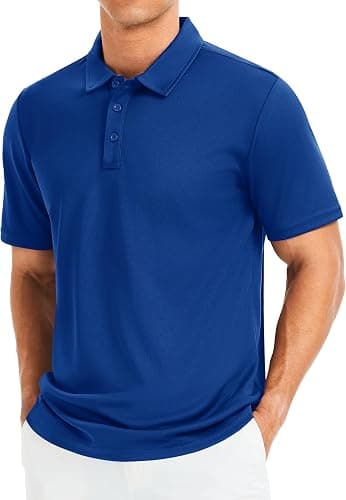
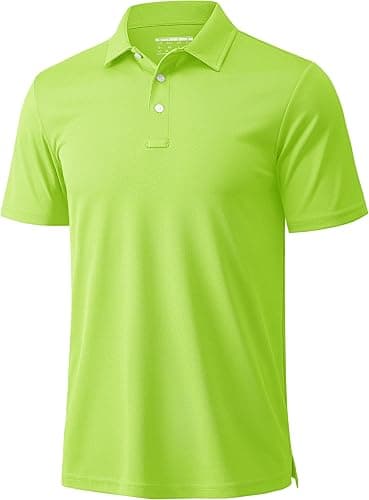
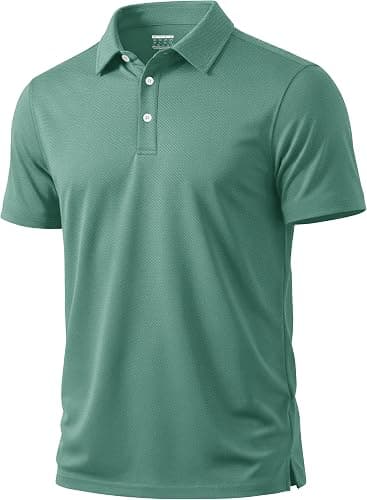
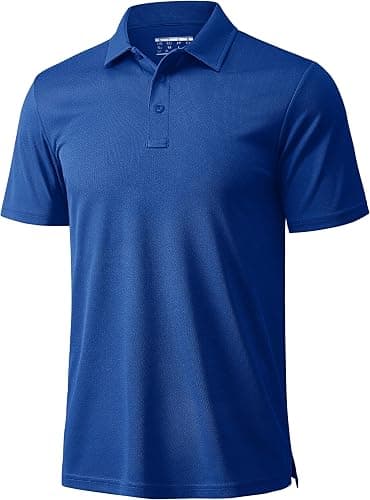
To the eye, in most conditions, yes. Fabric is dyed in lots, though, and a lot produced months later can sit a shade away from the original in strong daylight. That rarely matters on a navy polo and can be visible on a mid-tone brand colour. Tell us the new pieces will be worn beside existing stock and we will work to the original references, but the surest defence is batch size: one order a year produces one lot, and four orders a year produce four.
Thread behaves the same way at a smaller scale, and the logo is where a mismatch would be noticed first. If your brand colour is unusual, ask for the thread reference to be recorded on the first run, so it can be repeated rather than re-chosen.
What should you review before repeating an order?
The size split, first. A year of wear tells you which sizes ran out and which sat in the cupboard, and that evidence beats the original estimate. Then look at the garments coming back: worn collars suggest a different collar build, thin shoulders suggest a heavier knit. Finally check whether the logo is still current, because a rebrand halfway through a stock of polos is a much bigger problem than a rebrand at the moment of reorder.
- The sizes that ran out first, and the ones still in stock
- Leavers removed and new hires added to the register
- Any rebrand, strapline change or new department to cover
- Whether the total now reaches the next discount tier
- Whether old stock is being retired or worn alongside the new batch
Is it worth changing the garment at a reorder?
It can be, and a reorder is the cleanest moment to do it, because the old stock is already on its way out. If the polos have been doing more work than expected, moving up a fabric weight is a small change with a long payoff. The options are on the wholesale polo shirts page, and if the polo is part of a wider kit programme the corporate page covers the rest. For teams who also hand kit to clients and partners, corporate gifting apparel that gets worn is a useful companion.
Whatever you decide, write down the batch details at the end of each run: garment reference, colour, thread shade, placement measurements and the month it was produced. Two years later that note is the difference between a repeat that matches and a conversation nobody can resolve.