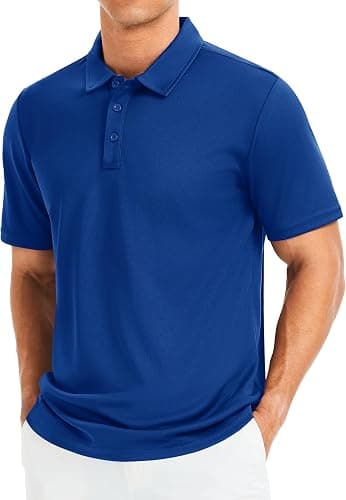
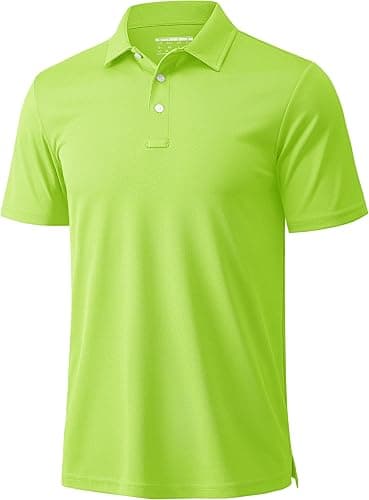
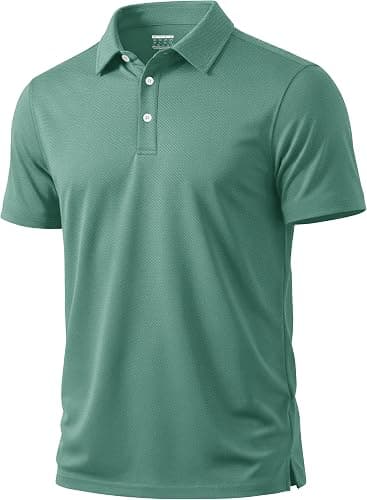
Colour Matching Bulk Polo Shirts
By The Velocity Wear Team
Give a Pantone reference and expect a close match rather than an exact one. Dyed knit, printed ink and a backlit screen produce colour by three different physical routes, so they never land on the same point. What you can control is the reference you supply, whether you approve a physical swatch, and whether the whole run comes from one dye batch.
Why does the same colour look different on fabric?
A screen emits light and a garment reflects it, which is the whole difference in one sentence. On top of that, dye sits inside the fibre while ink sits on top of it, so a printed logo and a dyed body treated with the same reference will read differently under the same lamp. Fabric texture adds a third variable: piqué has raised cells that cast tiny shadows, so a textured polo always reads a shade deeper than a smooth one in the same dye.
Fibre is the fourth. Cotton and polyester take entirely different dye chemistry, which is why a cotton polo and a performance knit quoted to the same reference will not match each other. If both fabrics are going into the same uniform, that gap has to be approved rather than assumed, and cotton vs poly blend on polo shirts covers why the two behave as they do.
What should you actually supply?
A Pantone reference is the starting point, and the solid coated number is the one most buyers have to hand. Better, where you have one, is a physical object in the colour you want: a printed swatch, an existing garment, a piece of your signage. A physical reference removes the screen from the conversation entirely, which is where most mismatches begin.
Say which element the reference applies to, because a brief that says "our blue" without specifying whether it is the garment body, the embroidery thread or the printed back graphic will be interpreted rather than followed. Thread and ink are matched from their own standard ranges, so a chest crest is specified separately from the body colour. The vocabulary for all of this sits on the glossary page.
How much does batch variation move things?
Enough to notice on mid-tones and pastels, less on black, white and deep navy. Two dye lots of the same reference can sit a fraction apart, and the human eye is very good at spotting it when two garments are side by side and very poor at spotting it when they are a week apart. That is why it matters for a uniform worn as a group and matters less for retail stock sold one at a time.
The way to manage it is to run the whole quantity at once. An order of five hundred placed together is more likely to come from one dye lot than five orders of a hundred placed across a year, and it costs less per piece: the tiers run from 50–99 up to 1,000-plus with up to 35% off the fifty-piece price. If you must reorder later, retain a reference garment from the original run and say at order stage that the new batch is being matched to it.
When is a sample the right call?
Whenever the colour is the brand rather than a detail of it. A sample is £150 and is credited against the bulk order, and for a colour question it is the only evidence that means anything, because a photograph of a garment is just a screen again. Look at it in daylight and under the lighting the garment will actually live in, since a colour that matches outdoors can shift noticeably under warm indoor lamps.
Matching across two different garment types is a harder problem again, and worth reading about before you brief it: can two different garments match in colour sets out what is realistic. Current colourways for polos are listed on the wholesale polo shirts page.