Planning Uniform for a Site or Office Move
By The Velocity Wear Team
Need this made?Get pricing for this product— free, no obligation, 50 pieces minimum.
Order uniform before the move rather than after it, and audit every garment for printed contact detail first. Anything carrying an old address, phone number or site name is obsolete the day you relocate. Then choose a delivery window that avoids the move itself, because a pallet arriving at a half-empty building is a problem nobody has time for.
Order Before, Not After
The natural instinct is to deal with uniform once you have moved in and things have settled. It is the wrong order of operations. The weeks immediately after a move are the busiest, most disrupted period you will have, and that is exactly when your team is most visible to customers, contractors and visitors trying to find you.
Ordering ahead means the new kit is in the building on day one. It also means you are making the decision calmly, in your old office, rather than from a desk surrounded by unlabelled boxes.
Which Garments Actually Carry an Address
This is the audit almost nobody runs, and it is the whole reason a move affects apparel at all. Go through everything and check what information is printed or stitched on it. Common offenders:
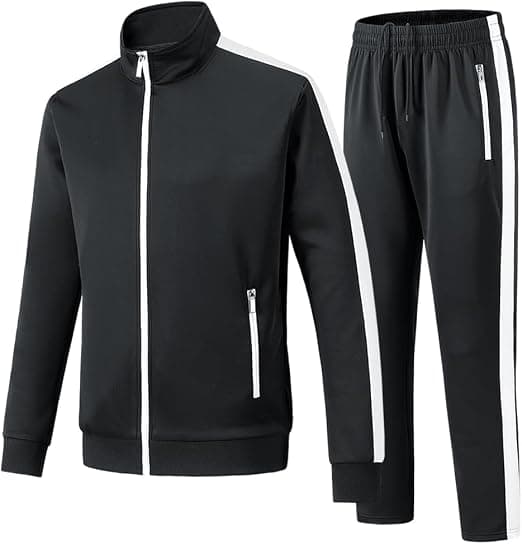
- Jackets and hi-vis with a full address or a site name on the back panel.
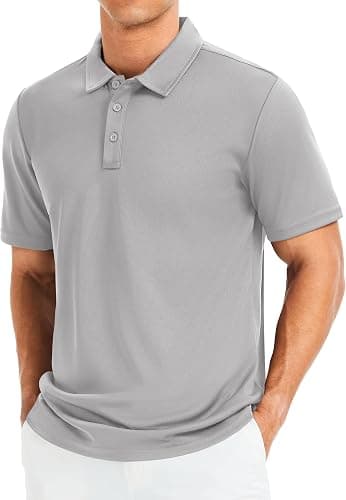
- Polos or shirts with a phone number under the logo, often a landline tied to the old building.
- Aprons and tabards carrying a location as part of the brand lockup, such as a town or street name.
- Caps or bags printed with a branch identifier that no longer applies.
- Anything with a web address that is changing at the same time as the move.
If a garment carries none of that, it survives the move untouched and does not need replacing. Sorting the wardrobe into carries-detail and does-not is the fastest way to work out how big this job actually is.
Update the Artwork Once, Properly
If contact detail is changing, change it everywhere at the same time and get the new version signed off before anything is produced. Half-updated artwork is how organisations end up with two phone numbers in circulation for a year.
It is also worth asking whether the detail needs to be on the garment at all. A phone number stitched into a workwear jacket ties that garment to a number that might change again. Many organisations use a move as the moment to drop contact detail from apparel entirely and leave it to vehicles, signage and paperwork, where updating is cheaper.
“"Every phone number you stitch into a jacket is a promise that the number will outlive the jacket. It usually does not."”
Choosing a Delivery Window Around the Move
Delivery timing is the practical trap. Boxes arriving during move week land in a building where nothing has a home, nobody is at their usual desk, and the person who normally signs for deliveries is directing a van.
Pick one of two windows. Either deliver to the old address comfortably before the move, with somewhere agreed to store it and a plan for getting the boxes onto the lorry, or deliver to the new address once the site is genuinely operational. UK delivery is typically 2-5 working days after dispatch on a tracked service, so with production of around 10-15 working days from artwork approval for embroidery you have enough visibility to aim at a specific window. Just make sure the delivery address on the order is the one that will actually be staffed.
Using Up the Pre-Move Stock
Do not place a large uniform top-up in the months before a move if the artwork is going to change. It sounds obvious and it happens constantly, usually because the order was placed by someone who was not in the relocation meetings.
Tell whoever handles uniform ordering the moment a move is confirmed, and switch to minimum viable top-ups until the new specification is approved. Anything that does not carry an address can still be ordered normally, which is another reason the audit is worth doing early.
Kit for the Move Itself
Worth a thought if your team is doing the moving. Move days involve lifting, dust and doorframes, and nobody should be doing that in customer-facing polos. A small run of hardwearing tees or sweatshirts for the move protects the good kit, and if they carry no address they are perfectly usable afterwards for warehouse, workshop or maintenance work.
Recording the New Specification
Once the new artwork is approved, write it down in full: garment, colour, thread or ink references, logo size, exact placement, and what contact detail, if any, now appears. A move is precisely when institutional memory gets lost, and the specification is the thing that lets the next top-up match without an investigation. Preview the updated layout in the free Design Studio, and check quantities in the instant price calculator, since consolidating the whole changeover into one order reaches discounts of up to around 35% as quantities rise.