Planning Kit for a Sponsored Walk: Layers, Logos, Lead Times
By The Velocity Wear Team
Need this made?Get pricing for this product— free, no obligation, 50 pieces minimum.
Fix the walk date and work back: tracked UK delivery of roughly 2-5 working days, production of around 10-15 working days from artwork approval for screen printing and embroidery, nearer 15-20 for sublimation or complex jobs, and production only starting once artwork is approved. Then add something most organisers forget entirely, which is the time a charity's communications team needs to approve your use of their logo. That approval sits in front of artwork approval, and it is the step that quietly eats a fortnight.
Charity Logo Permission Comes Before Everything
If you are walking for a registered charity, their name and logo belong to them, and most charities have brand guidelines covering exclusion zones, colour versions and what wording may sit alongside the mark. Request permission and the correct file early, in writing, and be specific about what you intend to print and on what colour garment. Larger charities route these requests through a small team with a queue. Smaller ones may need to find the vector file at all, which can take longer than you would think.
Until that file is in your hands you cannot finish artwork, and until artwork is approved production has not started. Treat logo permission as the first task on the plan, not a formality near the end.
Print Where The Camera Is
A sponsored walk generates hours of photographs, and almost all of them are taken from behind or from the side as the group moves away along a path. A chest logo appears in the start-line group shot and then vanishes for the rest of the day. A back print appears in every single photo taken thereafter, which is why route photos of well-organised walks are so much better at showing the cause than the kit at the finish line.
Put the charity mark and the event name across the shoulder blades at a size that reads from a distance. Keep the front simple. If sponsors want a placement, sleeves and the upper back work harder than a small chest badge nobody photographs.
Layers Beat A Single Printed Tee
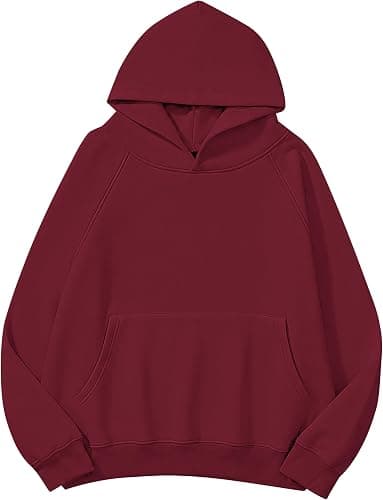
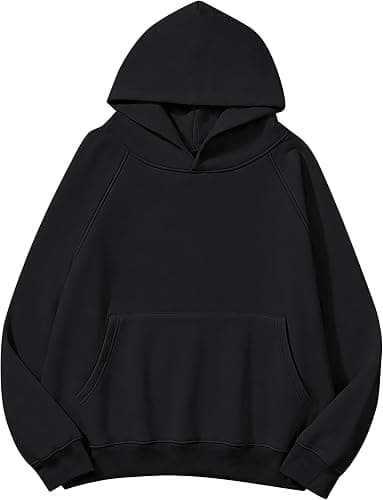
A walk is several hours outdoors with a start that is often cold and a middle that may be warm. People will start in a hoodie, strip to a tee by mile three, and put the hoodie back on at the finish while they wait for a lift. If your branding only exists on one of those two layers, half the day is unbranded. Printing the same back design on both layers is more expensive per person, but it is the difference between kit that works all day and kit that works for an hour.
If the budget only allows one item, choose based on the season and the route. An autumn walk on exposed ground wants the hoodie. A midsummer canal path wants the tee.
- Request charity logo permission and the vector file before anything else on the plan.
- Place the main design across the upper back, where route photography actually points.
- Decide early whether you are branding the base layer, the outer layer, or both.
- Set a walker registration cut-off ahead of your artwork approval date and publish it.
- Order a small surplus in middle sizes for walkers who register at the last minute.
Rolling Sign-Ups And A Fixed Print Date
Sponsored walks recruit steadily rather than in a single rush, and people continue signing up right through the fundraising period, sometimes on the morning itself. Your print run cannot wait for them. Publish a kit registration deadline that sits ahead of your artwork approval date, be clear that later walkers get kit only while stocks last, and order a modest surplus weighted towards the middle sizes. Do not promise to add people later, because a top-up is a separate order with its own setup and its own lead time.
“"Nobody photographs the front of a walker. Spend the print budget on the back and the shoulders."”
Fabric For A Full Day On Foot
Heavy cotton looks good and holds sweat. A poly-cotton blend or a technical polyester dries faster and is kinder over a long distance, though sublimation, the natural method for technical polyester, is polyester only, light bases only, and sits in the longer production window of nearer 15-20 working days. DTF is a useful middle path, since it works on cotton, blends and polyester without per-colour setup, which matters when a charity logo is full colour and cannot be reduced.
Minimums, Discounts And Life After The Walk
Velocity Wear works from a 50-piece minimum per order with sizes mixed freely, and bulk discounts reach up to around 35% as quantities rise, so combining walkers, marshals and the support crew into a single order is the sensible route. Leave the year off the design and surplus kit becomes next year's marshal kit rather than a bin bag in a cupboard. Preview the back placement in the free Design Studio, where you can see how large the artwork really sits on the garment, and check live pricing in the instant calculator as you move between a tee-only and a tee-plus-hoodie plan.