Planning a Spring Uniform Refresh Without Waste
By The Velocity Wear Team
Need this made?Get pricing for this product— free, no obligation, 50 pieces minimum.
A spring uniform refresh works best if you audit what you already own before looking at a single garment. Count what is genuinely worn out, check whether your size spread still matches your team, and replace whole visible groups rather than scattered individual items. Then order it as one run of at least 50 pieces so the volume works for you.
Start With an Audit, Not a Catalogue
The instinct is to go straight to picking new garments. Resist it for an afternoon. Walk the floor, or send a short form, and establish three things: what is actually falling apart, what people quietly refuse to wear, and what has never been collected because it was ordered in a size nobody on your team is.
That last category is bigger than most managers expect. Uniform cupboards accumulate a shelf of extra-small and 3XL garments ordered to be safe. Counting them honestly changes what you order next.
What Genuinely Wears Out Over Winter
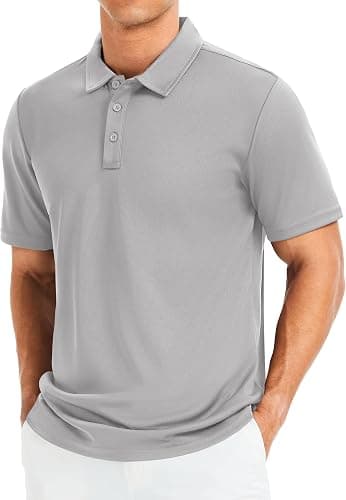
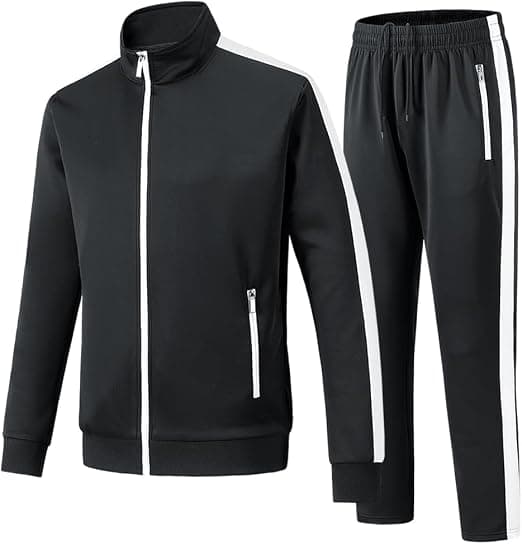
Garments fail in different places, and spring is when the damage becomes obvious. Collars and cuffs on polos go first, usually long before the fabric anywhere else has given up. Fleeces pill under the arms and wherever a bag strap sits. Outerwear tends to survive the fabric but lose the zip pull, the cord toggle or the water repellency. Embroidered logos generally outlast the garment, which is a decent argument for embroidery on anything that takes heavy wear.
Be honest about which of those is a real replacement trigger. A slightly pilled fleece worn under a jacket is not urgent. A grey-looking collar on the person who greets every customer is.
The Problem With Replacing Half of Something
This is the trap in a partial refresh. Fabric fades. A navy polo that has been through two years of washing is not the same navy as a new one, even when it is the identical product from the identical supplier. Put the two side by side on a shop floor and a customer will notice, even if they could not tell you what they are noticing.
So replace by group, not by individual. If the customer-facing polos are going, replace all of them, and push the older ones back into spare or back-of-house use instead of mixing them into the same room. A consistent team in slightly older kit looks better than a mixed team in new and old.
“"Nobody notices matching uniform. Everybody notices uniform that nearly matches."”
Rebuilding the Size Curve
The size spread you ordered two or three years ago reflects a team that has since changed. People have joined, left and changed shape. Repeat the old order and you repeat its errors, then keep the same dead stock sitting on the same shelf.
Run a quick size collection before you order. It takes an hour and it is the cheapest accuracy you will ever buy. Because the 50-piece minimum applies per order rather than per size, you can mix sizes freely within the run, so there is no penalty for ordering an honest curve instead of a tidy one.
Write Down the Specification You Land On
A refresh is the natural moment to record exactly what you chose, so the next top-up matches without a discussion. A useful specification note covers:
- Garment style and fabric weight, not just a colour name, because two suppliers' navies are rarely the same navy.
- Decoration method plus thread or ink colours, recorded as reference codes rather than descriptions.
- Logo size and exact placement, measured from the shoulder seam or collar rather than described as roughly centred.
- Which roles get which garment, so your successor does not have to guess.
- The size curve you actually ordered, with a note on what proved wrong.
Timing It Against the Weather
Spring suits the lighter end of the range because you are ahead of the demand curve for polos and short-sleeve shirts rather than chasing it. It is also a sensible moment to think about autumn, since the same order can carry mid-layer fleeces if you have somewhere to store them for a few months.
Embroidery typically takes around 10-15 working days from artwork approval, with tracked UK delivery usually 2-5 working days after dispatch. Approve artwork promptly and the schedule looks after itself.
One Run Beats a Trickle
Departments ordering separately is the most reliable way to overpay. Each small order sits in a low quantity band, and screen printing setup is charged per colour, so repeated small runs pay it repeatedly. Consolidate the refresh into a single order and bulk discounts reach up to around 35% as quantities rise. Test the numbers yourself in the free instant price calculator before you agree to split anything up.