Piqué vs Jersey Polo Shirts: Which to Choose for Uniform
By The Velocity Wear Team
Need this made?Get pricing for this product— free, no obligation, 50 pieces minimum.
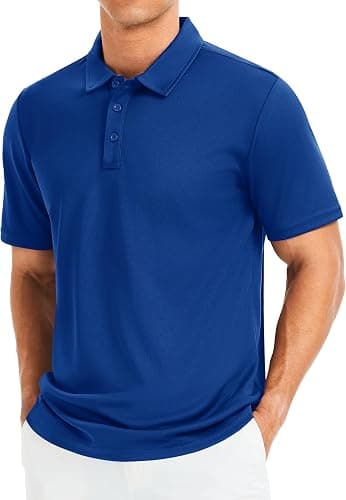
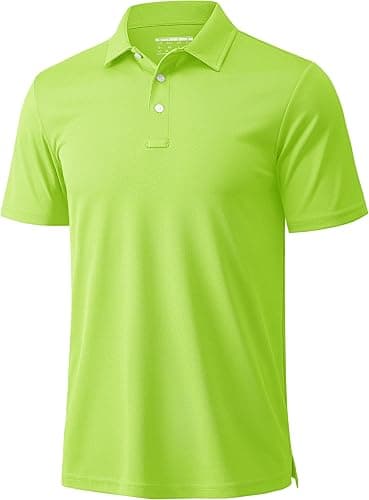
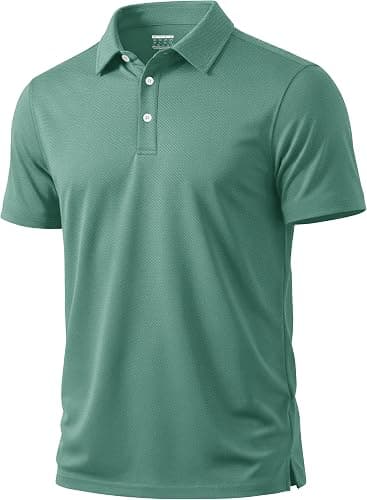
Piqué is the textured, slightly waffled knit most people picture on a classic polo — breathable, structured and hard-wearing. Jersey is the smooth, flat knit used on t-shirts — softer and closer-fitting but less structured. For uniform and workwear, piqué is usually the better choice.
How They Differ
Piqué is knitted with a raised, textured surface that creates small air pockets across the fabric. That texture does real work: it improves breathability, it hides creasing and light marking far better than a flat surface, and it gives the garment structure so it holds its shape through a working day. Jersey is the same flat knit used for t-shirts — smoother against the skin, softer, and with more drape, but with none of piqué's structure.
Why Piqué Dominates Uniform
Several practical reasons converge.
- Texture disguises creasing and minor marks, so a piqué polo looks presentable later into a shift than a jersey one.
- The structured knit resists sagging around the placket and hem, which is where cheap polos visibly fail first.
- Better airflow makes it more comfortable in warm indoor environments — kitchens, warehouses, shop floors.
- It takes embroidery well, providing a stable surface that resists puckering under a chest logo.
Where Jersey Wins
Jersey polos feel softer and more casual, and they suit a fashion-led or leisure application better than a formal uniform one. Golf and premium leisurewear frequently use jersey or technical jersey blends for exactly that reason. If the polo is being sold as a product rather than issued as uniform, and comfort and drape matter more than all-day structure, jersey is a legitimate choice.
“"A uniform polo is judged at four in the afternoon, not when it comes out of the bag."”
Fabric Composition
Both knits come in cotton, polyester and blends. For uniform, a poly-cotton piqué is the common specification: it keeps piqué's structure while resisting the shrinkage and creasing that pure cotton brings under repeated hot washing. Pure cotton piqué feels better against the skin but needs more care over its working life. Small percentages of elastane are sometimes added for stretch and recovery in fitted styles.
Putting the Order Together
Polos are usually embroidered left-chest for uniform use. Orders start at 50 pieces with mixed sizes allowed, and bulk discounts reach up to around 35% as quantities rise. Record the exact garment code, colour, logo dimensions and thread references so future reorders match — polos are the garment most often reordered as teams change, and a near-match is conspicuous across a team. Compare fabrics and quantities in the free instant price calculator.