Piqué vs Jersey Polo Fabric: The Complete Comparison Guide
By The Velocity Wear Team
Need this made?Get pricing for this product— free, no obligation, 50 pieces minimum.
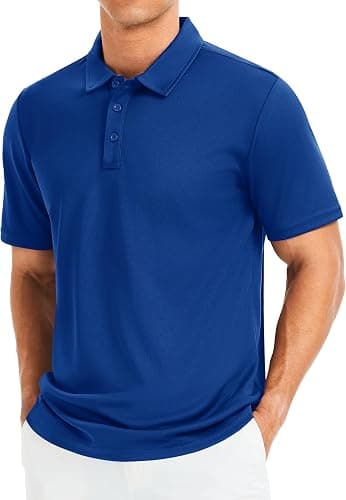
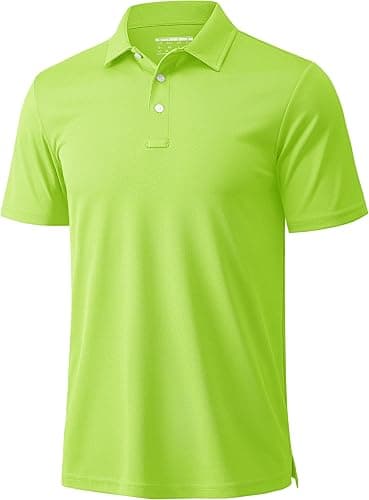
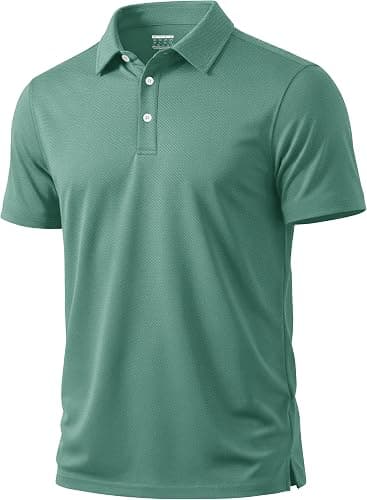
Piqué polo fabric has a raised waffle-like texture that improves air circulation and holds its shape across long shifts or active use, while jersey and interlock polo fabrics are smoother and softer to the touch — making them better suited to casual or lifestyle contexts where comfort is paramount.
The polo shirt sits in a unique position in the custom apparel market: formal enough for corporate workwear, relaxed enough for golf courses and customer-facing retail, and athletic enough for sports clubs. The fabric you choose shifts the garment along that spectrum significantly, so it pays to understand exactly what piqué and jersey bring to the table.
Piqué Polo Fabric — Structure, Texture and Performance
Piqué (also written as pique or piquet) is a knit fabric characterised by a raised geometric texture — most commonly a waffle or honeycomb pattern — created by floating yarns across the surface during knitting. The resulting air pockets make piqué significantly more breathable than a plain knit, which is why it has been the default fabric for sport and corporate polo shirts for over a century.
The structured surface also gives piqué polos a degree of body and stiffness that reads as smart-casual rather than casual. The collar stands up more firmly, the placket (the button strip) lies flat, and the overall silhouette retains its shape throughout the day even without pressing. For corporate uniform programmes, branded hospitality staff shirts, or any context where the wearer is representing a business, piqué is almost always the right call.
Embroidery performs exceptionally well on piqué. The tight knit structure resists puckering, and the textured surface actually hides any minor backing irregularities, delivering crisp, professional logo embroidery even at small stitch counts. 3D puff embroidery also sits particularly well on the flat chest panel of a piqué polo.
Jersey and Interlock Polo Fabric — Softness and Versatility
Jersey polos use the same plain-knit fabric construction as most t-shirts. The surface is smooth and flat with no texture, which creates a noticeably softer hand-feel against the skin. Interlock is a double-knit variant that is heavier and more stable than single jersey while still maintaining that soft surface — many premium lifestyle polo brands use interlock for this reason.
Jersey and interlock polos drape more loosely than piqué, giving them a relaxed, casual look that appeals to lifestyle brands, creative agencies, and younger demographics who might find piqué too formal. They are also slightly lighter, making them a popular choice for warm-weather events and summer uniform programmes.
The smooth surface makes jersey polos excellent candidates for screen printing and DTF decoration, which can struggle on the uneven piqué texture. If your decoration plan centres on a large chest graphic rather than a traditional embroidered badge, jersey is likely the better substrate.
Which Should You Choose?
- Choose piqué for corporate uniforms, hospitality teams, golf clubs, or any setting that requires a smart-casual, professional appearance.
- Choose piqué when embroidery or 3D puff is your primary decoration method — the fabric rewards needle-based techniques.
- Choose jersey or interlock for lifestyle brands, casual merch, or creative industries where a relaxed aesthetic aligns with brand values.
- Choose jersey when screen printing or DTF are the decoration methods, as the smooth surface maximises print clarity.
- Choose interlock specifically when you want the softness of jersey with added weight and stability for a perceived premium feel.
“"A piqué polo says 'we take our standards seriously'. A jersey polo says 'we're approachable and human'. Both are correct — it depends entirely on the statement your brand needs to make."”
Velocity Wear supplies custom piqué and jersey polos with embroidery, screen printing, DTF and sublimation decoration, starting at 50 pieces. Use the free Design Studio to preview your logo on both fabric textures, get an instant price from the calculator, and benefit from tiered bulk savings up to 35%. Tracked delivery to the UK, USA, Europe and beyond.